In the realm of industrial automation and control systems, proximity sensors stand as fundamental components, enabling non-contact detection of objects with precision and reliability. Among the various manufacturers, products like those from DaoChuan (often stylized as "DOT" or similar in international markets) represent a significant segment of this technology. This article delves into the core principles, types, applications, and selection criteria for inductive, capacitive, and photoelectric proximity switches, providing a technical overview essential for engineers and system integrators.
Proximity sensors, or proximity switches, are devices that detect the presence or absence of an object within a specific sensing range without any physical contact. This non-contact operation eliminates mechanical wear, ensures long operational life, and allows for high-speed detection. The primary working principle involves generating an electromagnetic field, an electrostatic field, or a beam of light. The intrusion of a target object into this field causes a change in the signal's state, which is then converted into an electrical output signal.
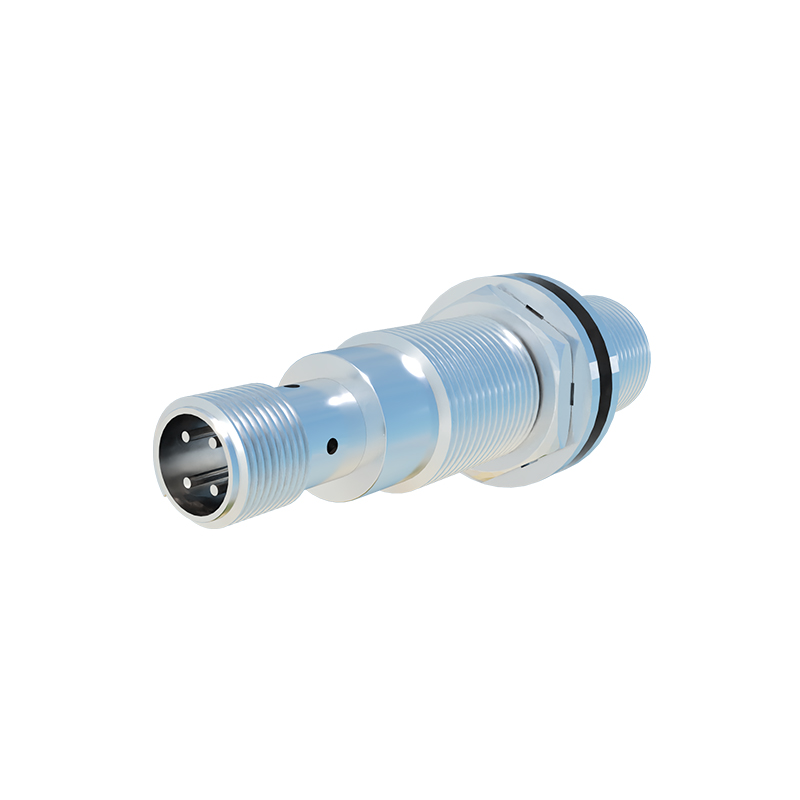
The most common type is the Inductive Proximity Sensor. It generates an oscillating electromagnetic field from its active face, typically using a coiled ferrite core. When a metallic object (ferrous or non-ferrous) enters this field, it induces eddy currents on the object's surface. These currents absorb energy from the oscillator, causing its amplitude to decrease. This damping effect is detected by the sensor's circuitry, which triggers a solid-state output switch (PNP or NPN). Inductive sensors are ideal for detecting metals and are widely used in machine tools, material handling, and automotive assembly lines for tasks like counting, positioning, and limit switching. Key specifications include sensing distance, which is standardized (e.g., 5mm, 8mm, 12mm) and typically rated for mild steel, and frequency response, indicating how many detection cycles per second the sensor can handle.
Capacitive Proximity Sensors operate on a different principle. They function like an open capacitor, with the sensor's active surface acting as one plate and the target object as the other. The sensor generates an electrostatic field. When any object—metal, plastic, wood, liquid, or granular material—enters this field, it changes the dielectric constant and thus the capacitance of the system. Once the capacitance reaches a preset threshold, the internal oscillator starts, triggering the output switch. This makes capacitive sensors versatile for detecting non-metallic materials. Common applications include level detection in tanks (for liquids or powders), material handling for plastics or glass, and touch-sensitive control panels. Factors like the target material's dielectric constant and environmental conditions (humidity, dust) significantly influence their performance and sensing range.
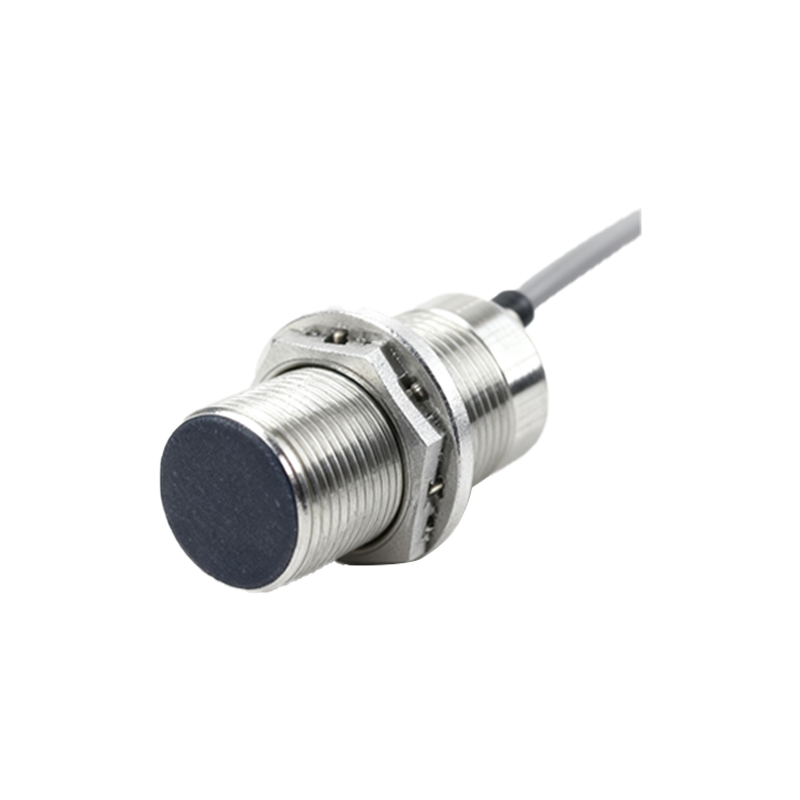
Photoelectric Sensors, while sometimes categorized separately, are a crucial part of the proximity detection family. They use a light emitter (usually LED-based infrared, red, or laser) and a receiver. In the context of proximity-style operation, the Diffuse (Reflective) mode is most relevant. The sensor emits a light beam, and the target object reflects part of this beam back to the receiver. Detection occurs when the received light intensity exceeds a set level. They can detect objects of almost any material, color, or finish at longer ranges than inductive or capacitive sensors. Applications are vast, including object detection on conveyors, packaging machinery, and registration control. Key considerations are the sensing distance, the color and reflectivity of the target, and ambient light immunity.
When selecting a proximity sensor for an application, several critical parameters must be evaluated beyond just the type. The Sensing Distance (Sn) is nominal; a safety factor (typically 0.7-0.8) is applied for reliable operation. The Housing material (e.g., brass, stainless steel, PBT plastic) must withstand the industrial environment, including exposure to coolants, oils, or chemicals. Electrical Output configuration (e.g., 3-wire DC PNP/NPN, 2-wire AC/DC) must be compatible with the controller (PLC). Connection methods (pre-wired cable or quick-disconnect) affect maintenance. Environmental ratings, particularly Ingress Protection (IP67, IP69K), are vital for washdown or dusty areas. Finally, mounting considerations (flush or non-flush for inductive sensors) can affect the actual sensing range.
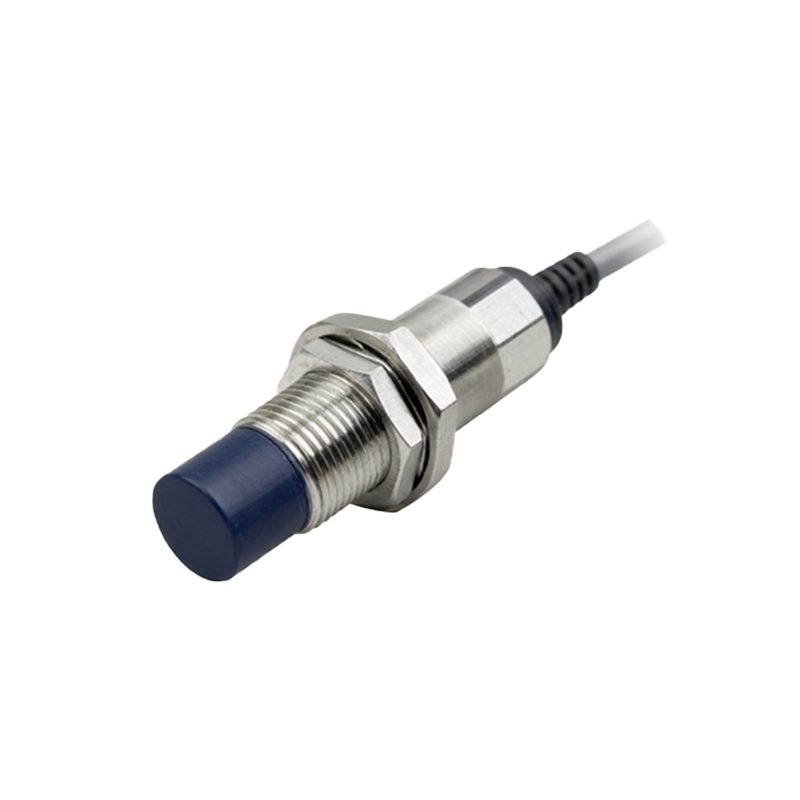
In conclusion, proximity sensors from manufacturers worldwide, including specialized producers like DaoChuan, provide the essential eyes and touch for automated systems. Understanding the distinct operating principles of inductive, capacitive, and photoelectric technologies is paramount for optimal selection. By carefully matching the sensor's characteristics—type, sensing range, output, and environmental robustness—to the specific application requirements, engineers can ensure system reliability, efficiency, and longevity. As automation advances, these robust and versatile components will continue to be indispensable in building smarter, more responsive