In the intricate world of industrial automation, where precision and reliability are non-negotiable, proximity sensors stand as fundamental, yet often overlooked, components. These devices, designed to detect the presence or absence of an object without physical contact, have revolutionized manufacturing, robotics, and countless other sectors. Their advantages are numerous, translating directly into enhanced efficiency, safety, and cost-effectiveness for operations worldwide.
The primary and most celebrated advantage of proximity sensors is their non-contact operation. Unlike mechanical limit switches that require physical touch to actuate, proximity sensors use electromagnetic fields, light, or sound to sense targets. This fundamental characteristic eliminates mechanical wear and tear, dramatically extending the sensor's operational lifespan. In high-cycle applications, such as assembly lines or packaging machinery, this translates to significantly reduced maintenance costs and less unscheduled downtime. The absence of physical contact also means there is no risk of damaging delicate or freshly painted objects, making them ideal for sensitive manufacturing processes.
Furthermore, proximity sensors offer exceptional speed and reliability. They can detect objects at incredibly high frequencies, responding in milliseconds. This rapid response is critical in modern high-speed automation, where every fraction of a second impacts throughput. Their solid-state design, with no moving parts, makes them highly resistant to vibration, shock, and environmental contaminants like dust, oil, and coolant splash. Many models boast ingress protection (IP) ratings, allowing them to perform reliably in harsh industrial environments where other sensing methods might fail. This robustness ensures consistent operation, which is the bedrock of automated quality control and process stability.
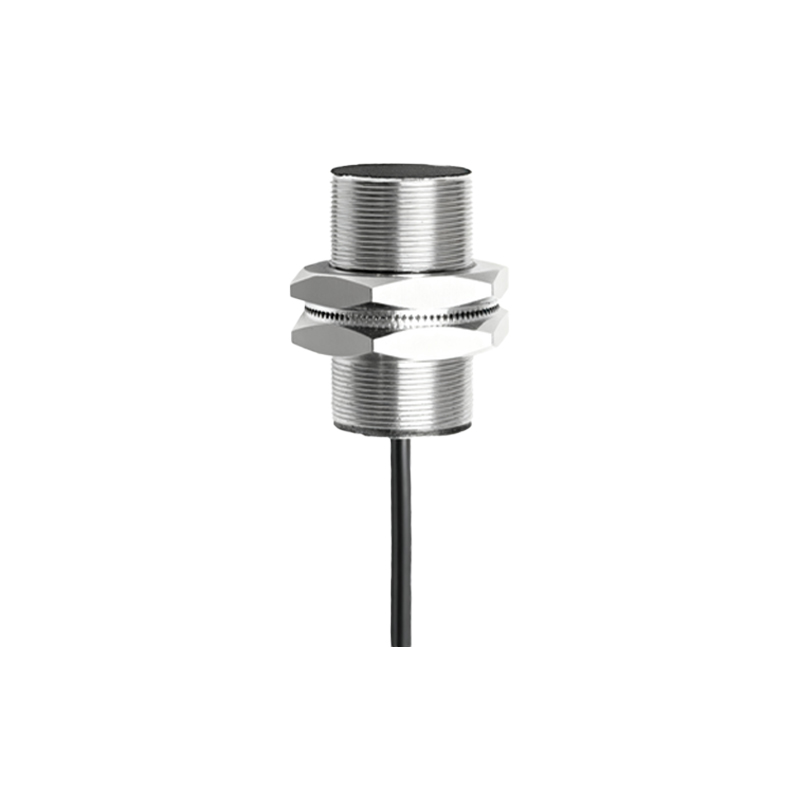
Another significant benefit is their versatility and precision. Available in various types—including inductive (for metals), capacitive (for both metals and non-metals), ultrasonic, and photoelectric—they can be tailored to specific applications. Inductive sensors, for instance, are perfect for precise position detection of metal parts in machinery. Their ability to detect objects with high repeat accuracy, often down to micrometer levels, ensures precise control in positioning, counting, and inspection tasks. This precision enables complex automation sequences that would be impossible with less accurate sensing technologies.
From a safety and design perspective, proximity sensors contribute immensely. They enable the creation of sophisticated safety interlocks and presence detection systems on machinery guards, doors, and robotic cells, helping to protect personnel. Their compact and often embeddable form factors allow for sleek machine designs without bulky mechanical actuators. This saves valuable space in control panels and on machinery, contributing to more efficient and modern equipment layouts.
Finally, the long-term economic argument for proximity sensors is compelling. While the initial unit cost may be higher than a simple mechanical switch, the total cost of ownership is typically lower. Factors such as near-zero maintenance, high reliability preventing production losses, extended service life, and improved product quality due to precise sensing all contribute to a strong return on investment. Their integration with modern industrial networks (like IO-Link) also provides valuable diagnostic data, enabling predictive maintenance and deeper insights into machine performance.
In conclusion, the advantages of proximity sensors—non-contact sensing, high speed, environmental robustness, application versatility, enhanced safety, and cost-effectiveness—solidify their role as indispensable assets in automation. They are not merely components but enablers of smarter, faster, and more reliable industrial systems, quietly driving productivity and innovation on factory floors across the globe.