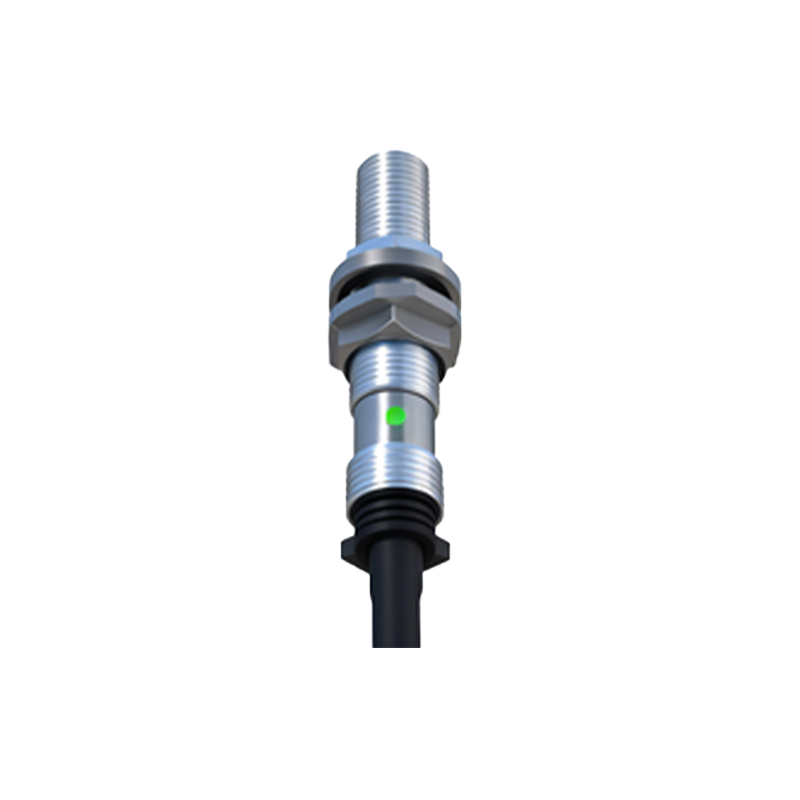
Pulse proximity switch sensors represent a critical advancement in industrial sensing technology, offering unparalleled precision and reliability in detecting the presence or absence of objects without physical contact. These sensors operate by emitting a series of high-frequency electromagnetic pulses and measuring the reflected signal to determine the distance to a target. Unlike continuous-wave sensors, pulse-based systems provide distinct advantages in environments with high levels of electrical noise or interference, making them indispensable in modern manufacturing, automotive assembly, and material handling applications.
The core principle behind pulse proximity switches lies in their ability to generate short, intense bursts of energy. Each pulse is precisely timed, allowing the sensor to distinguish between the emitted signal and any background reflections or ambient conditions. This time-of-flight measurement technique ensures accurate detection even when targets have varying surface properties, such as reflectivity or color. Common types include inductive pulse sensors for metallic objects and capacitive pulse sensors for non-metallic materials like plastics, liquids, or granular substances.
In industrial settings, pulse proximity switches are favored for their robustness and longevity. They are typically housed in rugged enclosures rated for IP67 or higher, protecting them from dust, moisture, and mechanical shocks. Key performance metrics include sensing range, response time, and pulse repetition frequency. For instance, a standard inductive pulse sensor might offer a range of up to 15 millimeters with a response time of less than 1 millisecond, enabling high-speed automation processes. Integration with programmable logic controllers (PLCs) and industrial networks like PROFINET or EtherNet/IP is seamless, thanks to standardized output signals such as NPN, PNP, or IO-Link.
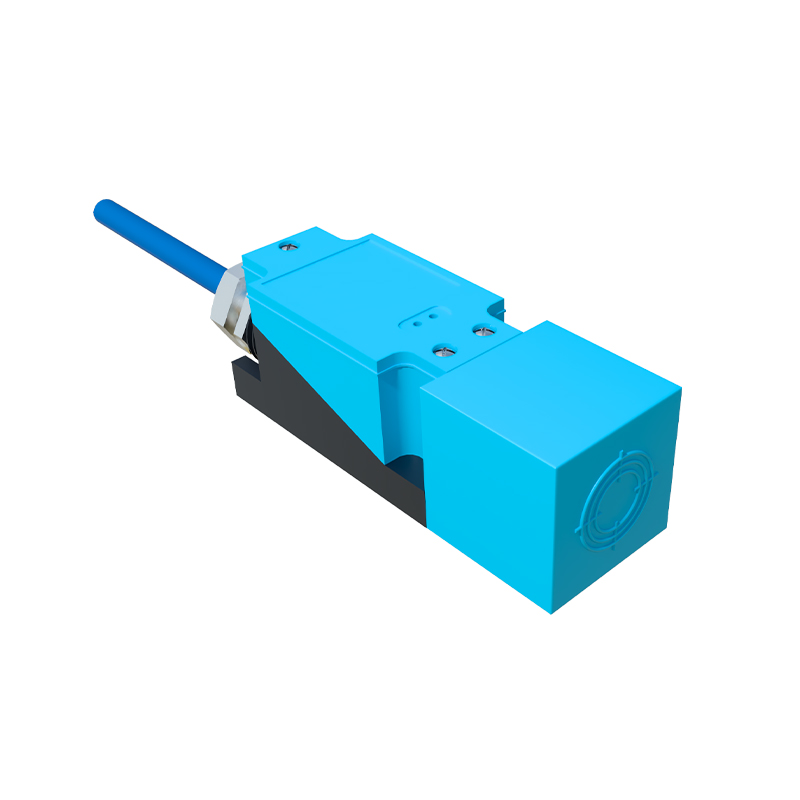
Applications span diverse sectors. In automotive manufacturing, pulse sensors ensure precise positioning of components on assembly lines. In packaging machinery, they detect fill levels or monitor conveyor belt movements. The food and beverage industry relies on capacitive pulse sensors to control liquid levels in tanks without contamination risks. Moreover, pulse technology minimizes energy consumption by activating only during pulse emission, aligning with sustainability goals in smart factories.
When selecting a pulse proximity switch, engineers must consider factors like target material, environmental conditions, and required accuracy. Regular maintenance involves checking alignment and cleaning lenses or sensing faces to prevent false triggers. As Industry 4.0 evolves, these sensors are increasingly embedded with diagnostics and predictive capabilities, enabling proactive maintenance and reducing downtime.
In summary, pulse proximity switch sensors are a cornerstone of industrial automation, delivering speed, accuracy, and adaptability. Their pulse-based methodology overcomes traditional sensing limitations, paving the way for more efficient and resilient production systems. For engineers seeking reliable non-contact detection, understanding the nuances of pulse technology is essential for optimizing operational performance.