Proximity sensors have become integral components in modern automation, security systems, and smart devices, enabling machines to detect human presence without physical contact. These sensors operate on various principles, each suited to specific applications and environments. Understanding how they sense humans involves exploring their underlying technologies, operational mechanisms, and real-world implementations.
One of the most common types is the capacitive proximity sensor. It works by generating an electrostatic field and detecting changes in capacitance when a human body enters its range. Since the human body contains water and electrolytes, it acts as a conductive object, altering the sensor's electric field. This change triggers an output signal, often used in touchscreens, elevator buttons, or automatic faucets. Capacitive sensors are highly sensitive and can detect humans through non-metallic materials like glass or plastic, making them ideal for interactive displays and safety systems in machinery.
Infrared (IR) proximity sensors are another prevalent technology. They emit infrared light and measure the reflection from nearby objects. Passive infrared (PIR) sensors, widely used in motion detectors for lighting and security, sense heat radiation emitted by humans. The human body typically radiates infrared energy at wavelengths around 9-10 micrometers, which PIR sensors detect through pyroelectric materials. When a person moves within the sensor's field, the infrared pattern changes, activating an alarm or device. Active IR sensors, on the other hand, project infrared beams and analyze the reflected signal to determine distance, commonly found in automatic doors or hand-dryers.
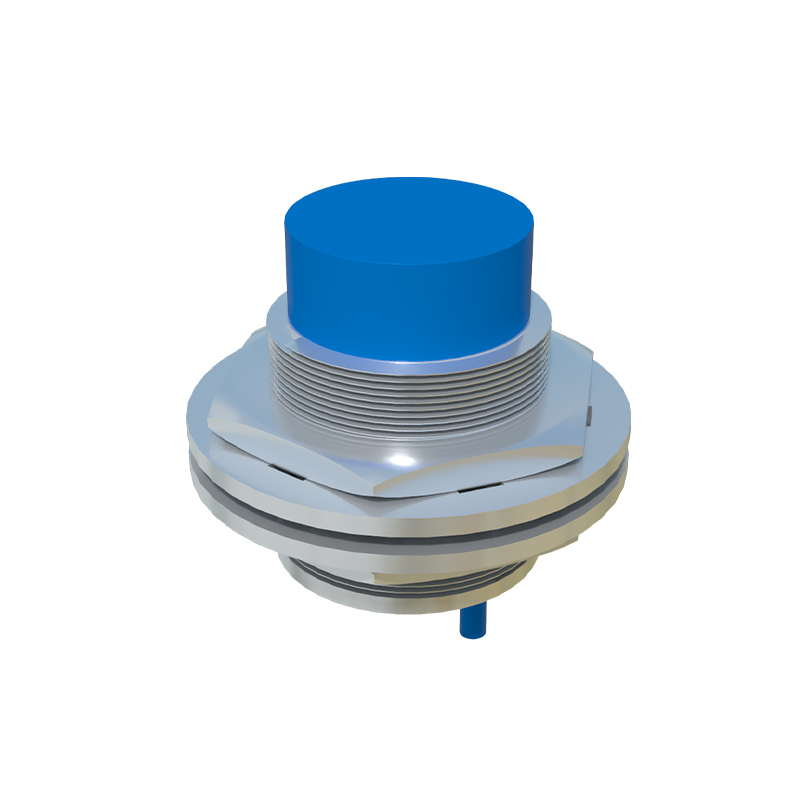
Ultrasonic sensors use sound waves beyond human hearing to detect presence. They emit high-frequency ultrasonic pulses and calculate the time taken for echoes to return. When a human enters the area, the sound waves reflect off the body, causing variations in the echo pattern. These sensors are effective in harsh environments where dust, smoke, or lighting conditions might interfere with optical systems. Applications include occupancy monitoring in buildings, parking assistance in vehicles, and robotics for obstacle avoidance.
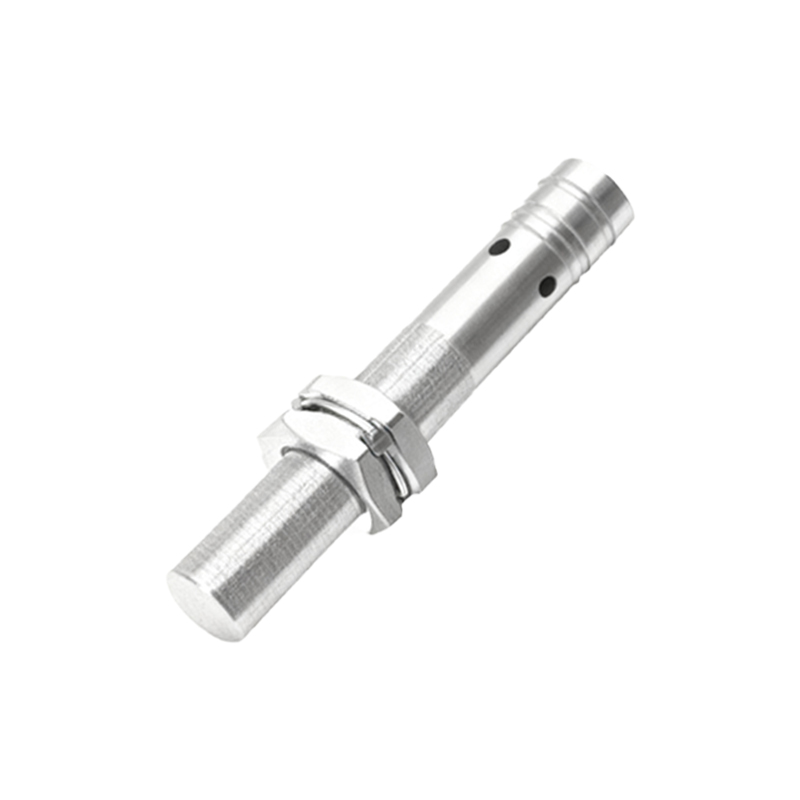
Inductive proximity sensors, while primarily designed for metallic objects, can indirectly sense humans through associated metal items like keys or tools. However, they are less common for direct human detection due to their reliance on conductivity. Instead, they are often paired with other sensors in industrial settings to enhance safety around machinery.
Advanced systems integrate multiple sensor types for improved accuracy. For instance, smart home devices may combine PIR and ultrasonic sensors to reduce false alarms from pets or moving curtains. In automotive applications, capacitive and IR sensors work together in driver monitoring systems to detect drowsiness or distraction by sensing head position or eye movement.
The effectiveness of proximity sensors in detecting humans depends on factors like range, sensitivity, and environmental adaptability. Designers must consider installation angles, interference from other electronic devices, and energy efficiency. For example, sensors in battery-powered devices like smartphones use low-power modes to conserve energy while periodically scanning for proximity, such as turning off the screen during calls when held near the ear.
In summary, proximity sensors detect human presence through physical interactions with electric fields, infrared radiation, or sound waves. Their non-contact nature ensures durability and hygiene, driving adoption across industries from consumer electronics to industrial automation. As technology evolves, innovations like AI-enhanced sensor fusion and miniaturization will further refine human detection, enabling smarter, more responsive systems in our daily lives.