In the realm of industrial automation, proximity sensors stand as critical components for non-contact detection, enabling precise control and monitoring in manufacturing, packaging, material handling, and countless other applications. Selecting the right proximity sensor supplier is not merely a procurement task; it is a strategic decision that impacts production efficiency, system reliability, and overall operational safety. This article delves into the key considerations for sourcing these essential devices and outlines the hallmarks of top-tier suppliers in the global marketplace.
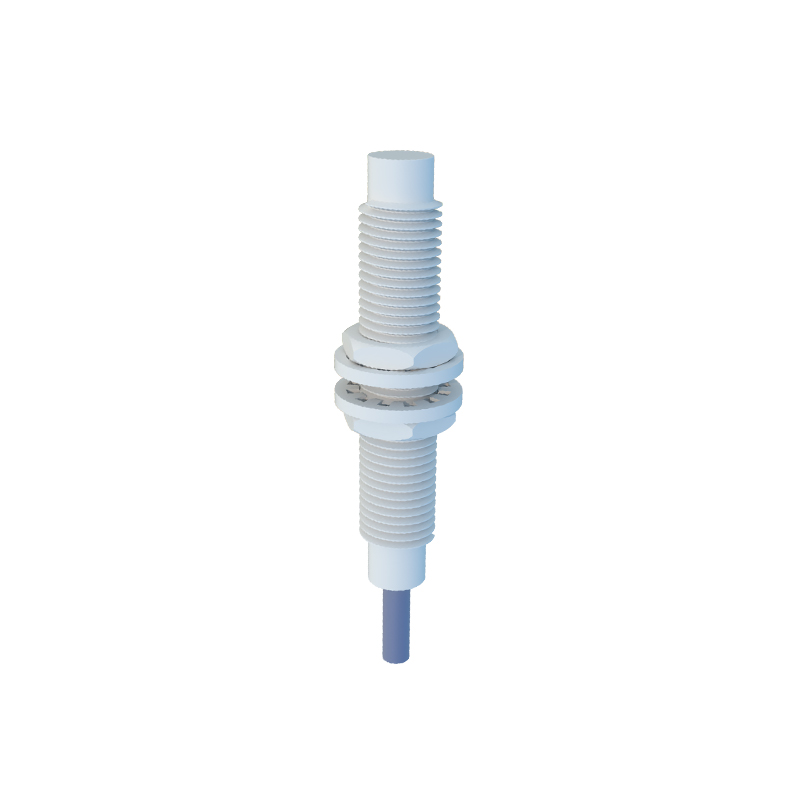
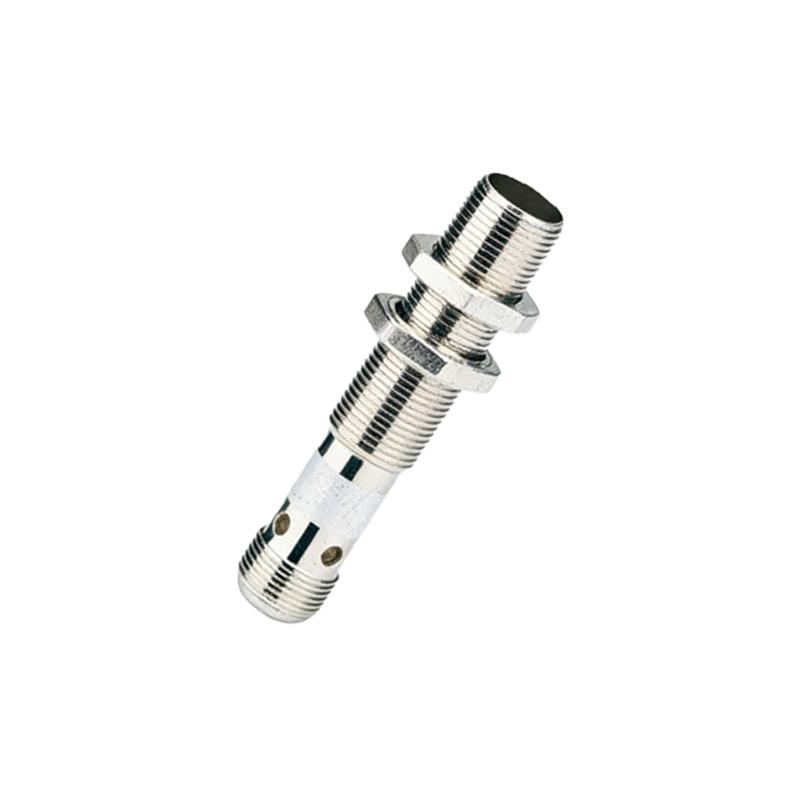
The primary function of a proximity sensor is to detect the presence or absence of an object within its sensing range without physical contact. They achieve this through various technologies, with inductive, capacitive, and photoelectric being the most prevalent. Inductive sensors detect metallic objects, capacitive sensors can detect both metallic and non-metallic materials, and photoelectric sensors use light beams for detection. Each type serves distinct applications, and a proficient supplier must offer a comprehensive portfolio to meet diverse industrial needs.
When evaluating proximity sensor suppliers, several technical and commercial factors demand careful scrutiny. First and foremost is product quality and consistency. High-quality sensors exhibit excellent repeat accuracy, robust housing (often rated IP67 or higher for resistance to dust and water ingress), and immunity to environmental interference such as electrical noise or temperature fluctuations. Reputable suppliers adhere to stringent international standards like IEC 60947-5-2 and possess certifications from recognized bodies (e.g., UL, CE), which serve as benchmarks for reliability and safety.
Technical support and engineering expertise are equally vital. A superior supplier provides detailed datasheets, application notes, and configuration tools. Their support team should be capable of assisting with sensor selection, integration challenges, and troubleshooting. The ability to offer customized solutions—such as special sensing ranges, housing materials, or output configurations—is a strong indicator of a supplier's depth of engineering capability and commitment to solving specific customer problems.
Another critical dimension is the supplier's logistical and supply chain robustness. In today's just-in-time manufacturing environments, consistent availability and reliable delivery schedules are non-negotiable. Leading suppliers maintain efficient inventory management, often supported by global distribution networks and flexible ordering options. They provide clear information on lead times and have contingency plans to mitigate supply chain disruptions, ensuring that production lines remain operational.
Cost considerations, while important, should be evaluated holistically. The initial purchase price is only one part of the total cost of ownership. Factors such as sensor longevity, mean time between failures (MTBF), ease of installation, and maintenance requirements significantly influence long-term operational costs. A sensor with a slightly higher upfront cost but superior durability and performance can offer substantial savings by reducing downtime and replacement frequency.
The competitive landscape of proximity sensor suppliers includes well-established global brands and specialized manufacturers. Global leaders often bring extensive R&D resources, a wide product range, and strong brand recognition. Meanwhile, specialized or regional suppliers might offer exceptional value, agility, and tailored service for specific industries or applications. The optimal choice depends on the specific technical requirements, volume needs, and strategic priorities of the purchasing organization.
In conclusion, sourcing proximity sensors requires a balanced approach that prioritizes technical performance, supplier reliability, and total cost of ownership. By partnering with suppliers who demonstrate excellence in product quality, technical support, and supply chain stability, engineers and procurement professionals can secure the essential components that underpin efficient, safe, and resilient automated systems. The right supplier acts not just as a vendor, but as a strategic ally in advancing industrial automation goals.