Proximity sensors are indispensable components in modern industrial automation, providing non-contact detection of objects within a specific range. Their programming and integration are critical for ensuring system reliability, efficiency, and safety. This article delves into the core programming principles, configuration parameters, and best practices for implementing inductive, capacitive, and ultrasonic proximity sensors in automated systems.
The foundation of proximity sensor programming lies in understanding its output signal type. Most sensors offer discrete digital outputs (PNP or NPN sourcing) or analog outputs (4-20 mA or 0-10 V). The initial programming step within a PLC (Programmable Logic Controller) or dedicated controller involves defining the correct input card type and addressing to match the sensor's output. For digital sensors, the program typically monitors the input's state (TRUE/FALSE or 1/0) to trigger actions like counting, positioning, or initiating a process sequence. For instance, a capacitive sensor detecting a filled container on a conveyor might send a high signal to the PLC, which then activates a robotic arm for palletizing.
Analog sensors require more nuanced programming. Their continuous output signal, proportional to the detected distance or presence, must be scaled within the controller's software. This involves mapping the sensor's raw input value (e.g., 4-20 mA) to a meaningful engineering unit (e.g., 0-100 mm). Ladder logic or structured text routines are written to compare this scaled value against setpoints to determine object position, thickness, or level. A common application is using an ultrasonic sensor to monitor liquid level in a tank; the program continuously reads the analog distance value and triggers a pump or alarm when the level reaches predefined high or low limits.
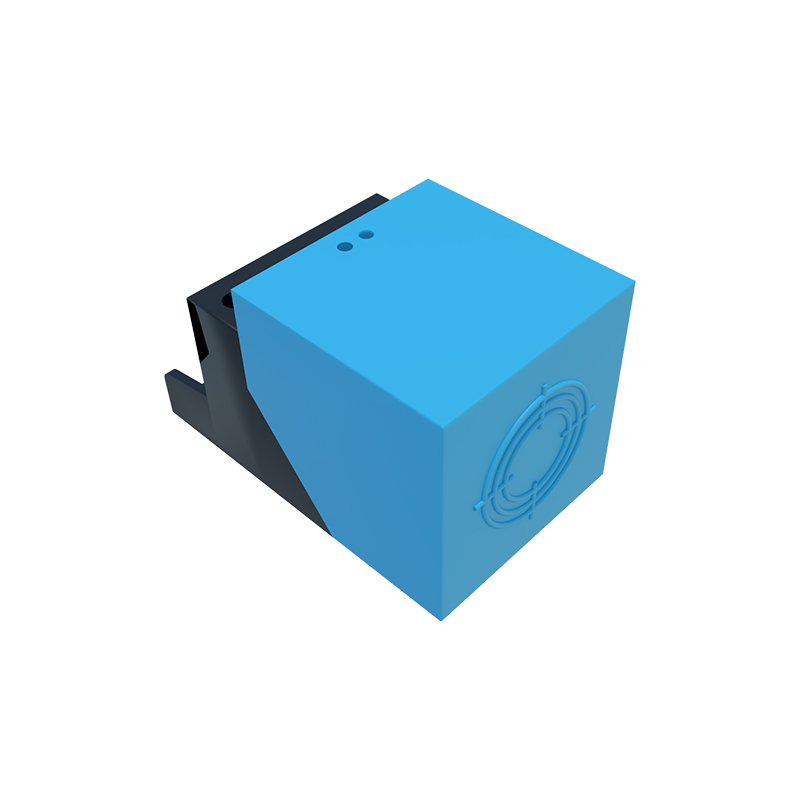
Key configuration parameters, often set via teach-in buttons, potentiometers, or software interfaces, significantly impact performance. Sensing Range and Threshold Adjustment is paramount. Programmers must set the operating point to avoid false triggers from background objects or environmental noise. Response Time must be programmed to match the application speed; a high-speed packaging line requires a fast sensor response configured in the milliseconds, while a slow-moving assembly may not. Hysteresis programming is crucial to prevent output oscillation when an object is at the detection boundary. The program logic should account for this built-in hysteresis to ensure stable state transitions.
Output Function programming allows the sensor to be configured for normally open (NO) or normally closed (NC) operation. This choice directly affects the safety and logic of the control program. An NC configuration is often used for safety-critical applications because a wire break or power loss causes the input to go FALSE, signaling a fault condition that the PLC program can interpret as a stop command.
Environmental Compensation features, especially for capacitive and ultrasonic sensors, require programming consideration. Capacitive sensors can detect non-metallic materials but are susceptible to moisture or material density changes. Programming should include calibration routines or logic to compensate for these variables. Similarly, ultrasonic sensor programs may need filters to ignore acoustic noise from other machinery.
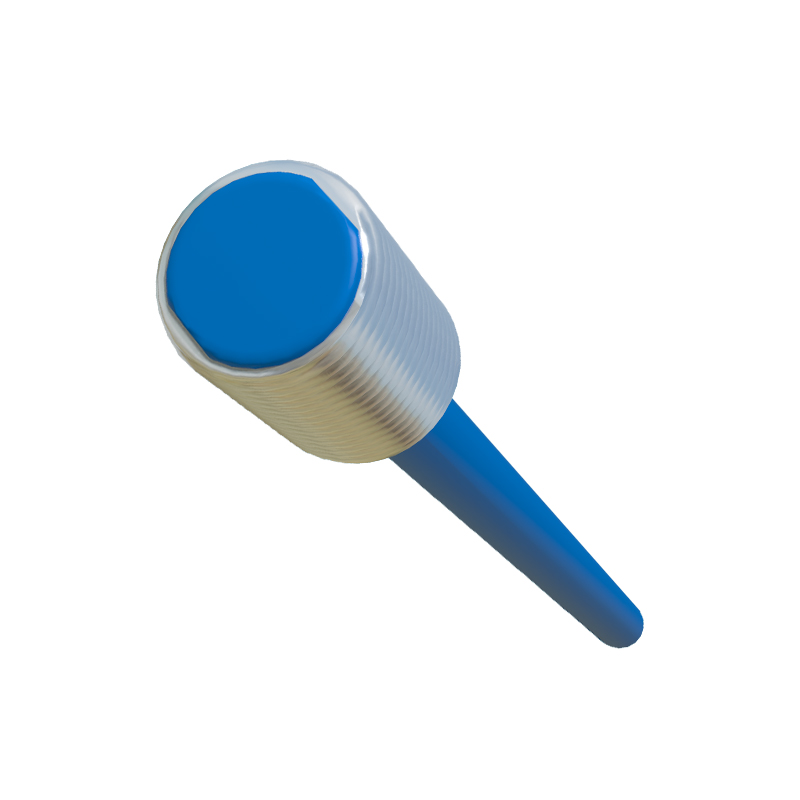
Integration and communication protocols are advanced programming aspects. Modern IO-Link sensors offer digital bidirectional communication, allowing not only data transmission but also remote parameter configuration and diagnostic monitoring from the PLC. Programming involves using dedicated function blocks to read process data, device status, and write new parameters like sensitivity on-the-fly, enabling predictive maintenance and flexible production changeovers.
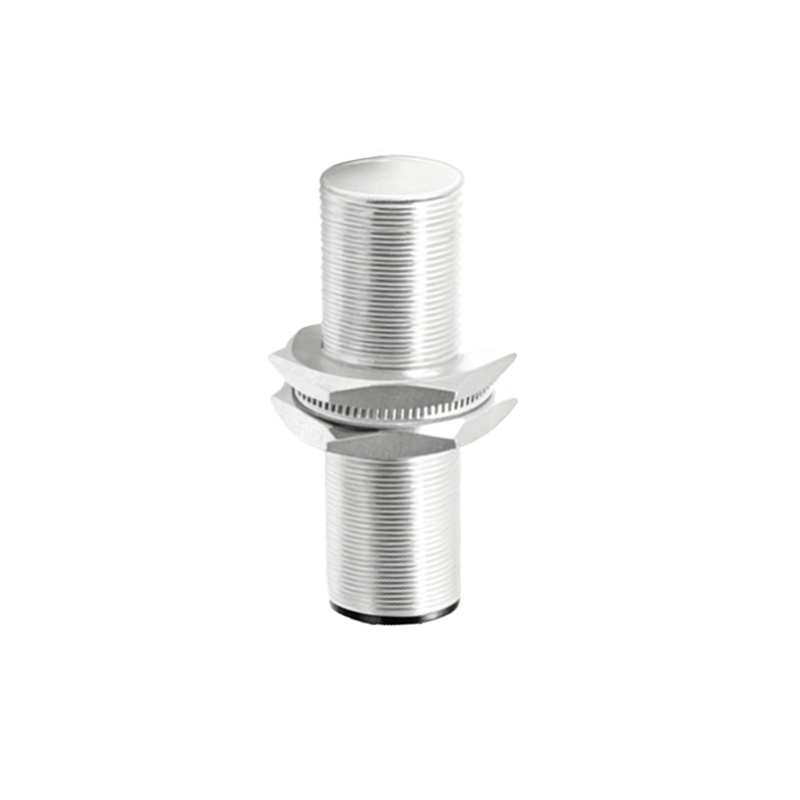
Best practices for programming proximity sensors emphasize robust error handling. Programs should include initial startup checks for sensor presence (using heartbeat signals if available), runtime monitoring for signal stability, and diagnostic alarm generation for conditions like short circuits or contamination. Documentation within the code, specifying sensor type, location, and setpoints, is vital for future troubleshooting.
In conclusion, effective programming transforms a simple proximity sensor into an intelligent node within an automation network. By meticulously addressing output type, scaling analog signals, configuring operational parameters, and leveraging smart communication protocols, engineers can build resilient, precise, and adaptable automated systems that form the backbone of advanced manufacturing and material handling.