In the high-stakes world of industrial automation, precision is not merely a goal; it is the fundamental currency of reliability and efficiency. Among the myriad of sensing technologies that form the nervous system of modern production lines, laser inductive sensors represent a pinnacle of engineering, merging the pinpoint accuracy of optical measurement with the robust, non-contact principles of inductive detection. This article delves into the sophisticated process of "firing" or activating these sensors, a critical operation that dictates their performance in applications ranging from object detection and positioning to quality control and robotic guidance.
At its core, a laser inductive sensor operates by emitting a focused beam of light—typically from a laser diode—towards a target. Simultaneously, it incorporates an inductive element designed to detect changes in an electromagnetic field. The true artistry of its operation lies in the precise firing sequence and parameter configuration. Unlike a simple binary switch, the firing process involves a carefully orchestrated series of events. Upon receiving a trigger signal from the programmable logic controller (PLC) or system master, the sensor's internal circuitry initiates the laser emission. The wavelength, power, and pulse duration of this laser beam are not arbitrary; they are meticulously calibrated based on the target material's reflectivity, the required sensing distance, and environmental conditions such as ambient light or the presence of dust and vapors.
Concurrently, the inductive component is primed. This element does not detect the laser light itself but is often used to verify the presence of metallic objects or to provide a secondary, fail-safe detection layer. The firing sequence must synchronize these two detection methods. For instance, in a high-speed bottling line, the laser might fire to detect the precise height of a non-metallic cap, while the inductive loop confirms the passage of the metallic conveyor chain link, ensuring each event is correlated to the correct product. The timing is everything. The "firing frequency" or response time, often down to microseconds, determines how fast the sensor can detect objects without missing a beat. Engineers must calculate this based on line speed and object spacing to prevent signal aliasing or missed detections.
The configuration phase preceding the firing is equally critical. Modern laser inductive sensors are equipped with sophisticated teach-in functions and software interfaces. Parameters such as the sensing window (the exact distance range for valid detection), hysteresis (to prevent signal chatter), and output delay must be set with surgical precision. A common challenge is dealing with highly reflective or absorbent surfaces. A shiny metal component might reflect too much laser light, potentially causing false positives, while a dark, anodized surface might absorb it. Here, advanced models with background suppression or true background suppression technology dynamically adjust the firing sensitivity, effectively "ignoring" reflections from objects beyond the set point.

Furthermore, the integration of these sensors into Industrial Internet of Things (IIoT) frameworks adds another layer to the firing paradigm. Sensor data, including firing logs, error rates, and health diagnostics, are communicated via IO-Link or Ethernet protocols. This allows for predictive maintenance; an increasing number of firing errors or a gradual drop in received signal strength can trigger an alert before a catastrophic failure occurs, shifting operations from reactive to proactive.
In harsh environments—foundries, welding cells, or outdoor applications—the firing mechanism's robustness is tested. Sensors are housed in ruggedized casings with high Ingress Protection (IP) ratings. The laser window must be kept clean, often through integrated air blast nozzles or special coatings. The inductive coil must be shielded from electromagnetic interference from nearby motors or power lines. The firing electronics are designed to withstand voltage spikes, temperature extremes, and mechanical vibration, ensuring consistent operation day in and day out.
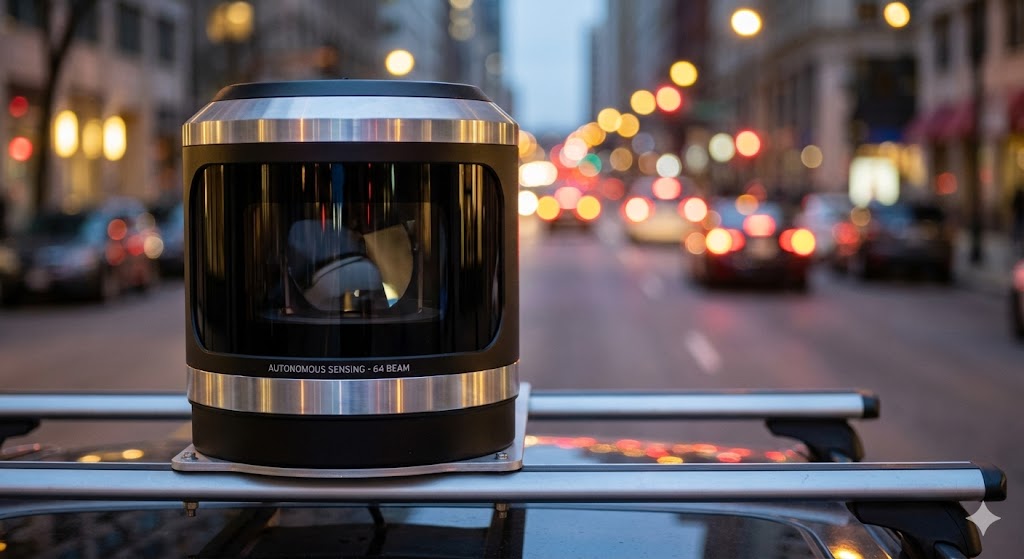
Ultimately, the act of firing a laser inductive sensor is a symphony of physics, electronics, and software. It is a deliberate, parameter-driven command that translates into a reliable, high-resolution perception of the physical world. For the automation engineer, mastering this process is key to unlocking higher levels of productivity, quality, and system intelligence. It moves beyond simple detection to enabling nuanced, data-rich interactions between machines and their environment, paving the way for increasingly autonomous and flexible manufacturing systems.