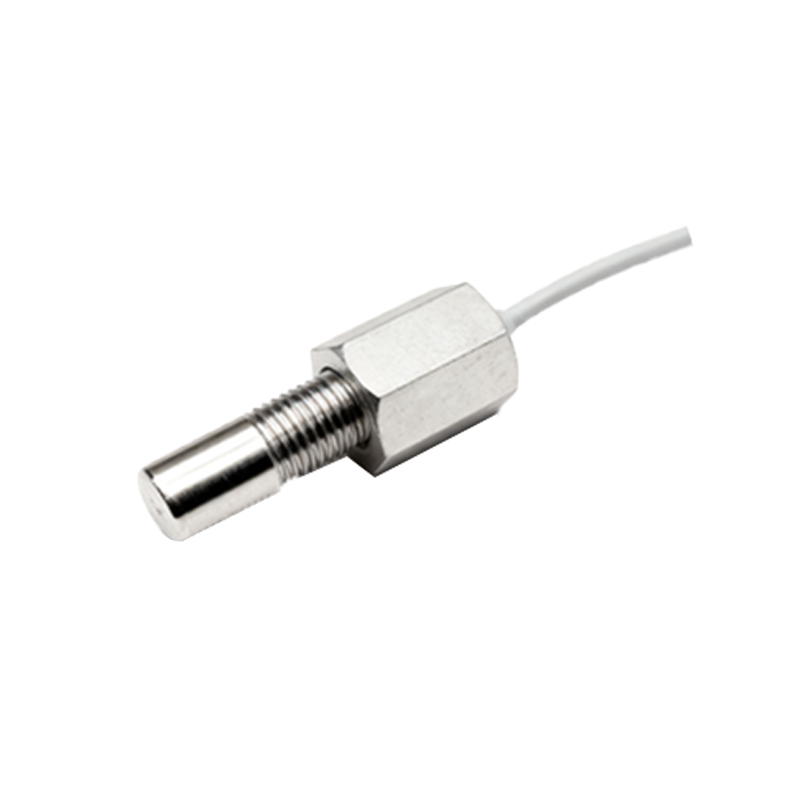
In the realm of vertical transportation, proximity sensors serve as the unsung heroes, quietly orchestrating the seamless operation of elevators and escalators. These critical components are pivotal in modern building infrastructure, ensuring not only operational efficiency but also paramount safety for millions of users daily. As an electrical engineer with extensive experience in the field, I delve into the intricacies of these sensors, their applications, and the technological advancements shaping their future.
Proximity sensors, fundamentally, are devices that detect the presence or absence of an object without physical contact. In elevators, they are strategically deployed to perform a multitude of functions. For instance, inductive proximity sensors are commonly used to monitor door positions. By detecting the metal components of elevator doors, these sensors ensure that doors are fully closed before the cab moves, preventing accidents and complying with stringent safety codes. Similarly, capacitive sensors can detect passengers or objects in the doorway, triggering reopening mechanisms to avoid entrapment. In elevator shafts, sensors provide precise floor-level positioning by identifying reference points, enabling accurate stopping and leveling—a crucial aspect for passenger comfort and accessibility.
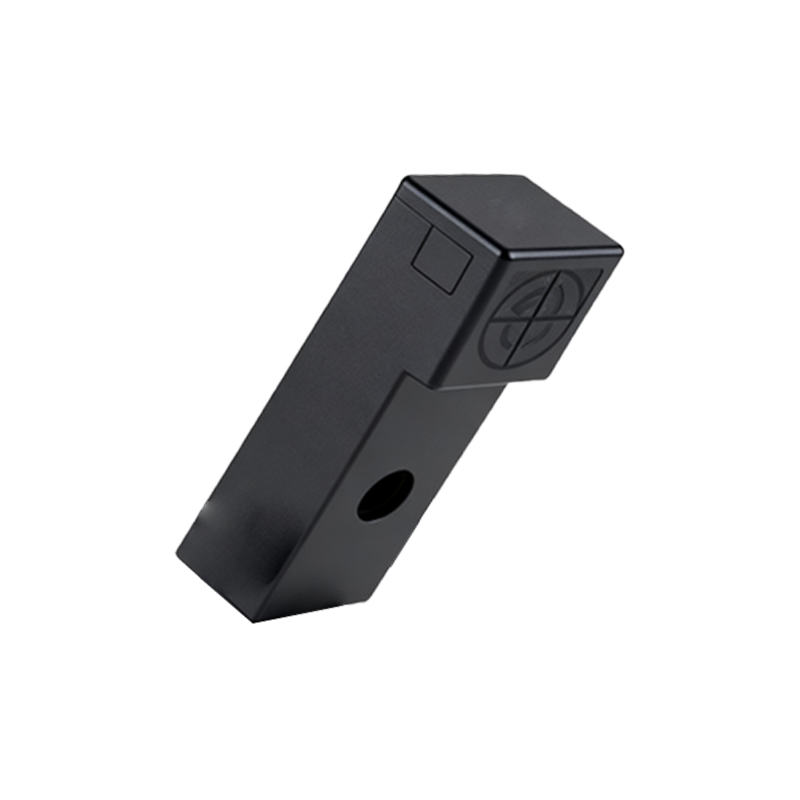
Escalators rely equally on proximity sensors for smooth and safe operation. Photoelectric sensors, often employing infrared or laser beams, are integral in monitoring step alignment and comb plate areas. They detect obstructions, such as debris or loose clothing, prompting immediate shutdown to prevent injuries. Additionally, sensors monitor handrail speed, synchronizing it with step movement to reduce tripping hazards. The use of ultrasonic sensors has also gained traction, offering reliable detection of passengers at entry and exit points, optimizing energy consumption by adjusting speed based on traffic flow.
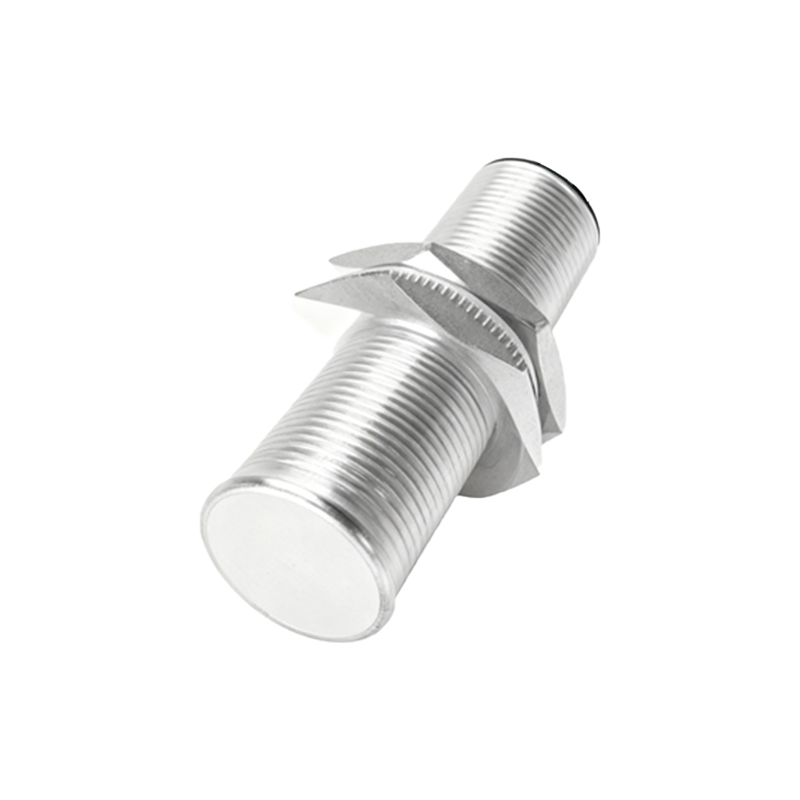
The selection of proximity sensors hinges on environmental factors and operational demands. Elevator and escalator environments pose challenges like vibration, temperature fluctuations, and electromagnetic interference. Engineers must opt for sensors with robust housings, typically rated IP67 or higher for dust and water resistance. Inductive sensors, with their immunity to non-metallic contaminants, excel in dirty conditions, while capacitive variants are sensitive to a wider range of materials, including liquids and human presence. Regular maintenance is essential; calibration checks and cleaning ensure longevity and reliability, as sensor failure can lead to costly downtime or safety incidents.
Technological innovations are continuously enhancing sensor capabilities. The integration of IoT (Internet of Things) allows for real-time monitoring and predictive maintenance. Smart sensors can transmit data to centralized systems, alerting technicians to potential issues before they escalate. For example, a gradual drift in sensor output might indicate wear, enabling proactive replacement. Furthermore, advancements in miniaturization and energy efficiency support the trend toward greener buildings, with sensors consuming less power and contributing to overall system sustainability.
In conclusion, proximity sensors are indispensable in the elevator and escalator industry, bridging mechanical operations with electronic control. Their role in safety—preventing accidents and ensuring compliance—cannot be overstated. As engineering evolves, these sensors will become even more intelligent, fostering smarter, safer vertical transport solutions. For professionals in the field, staying abreast of these developments is key to designing and maintaining systems that meet the growing demands of urban infrastructure.