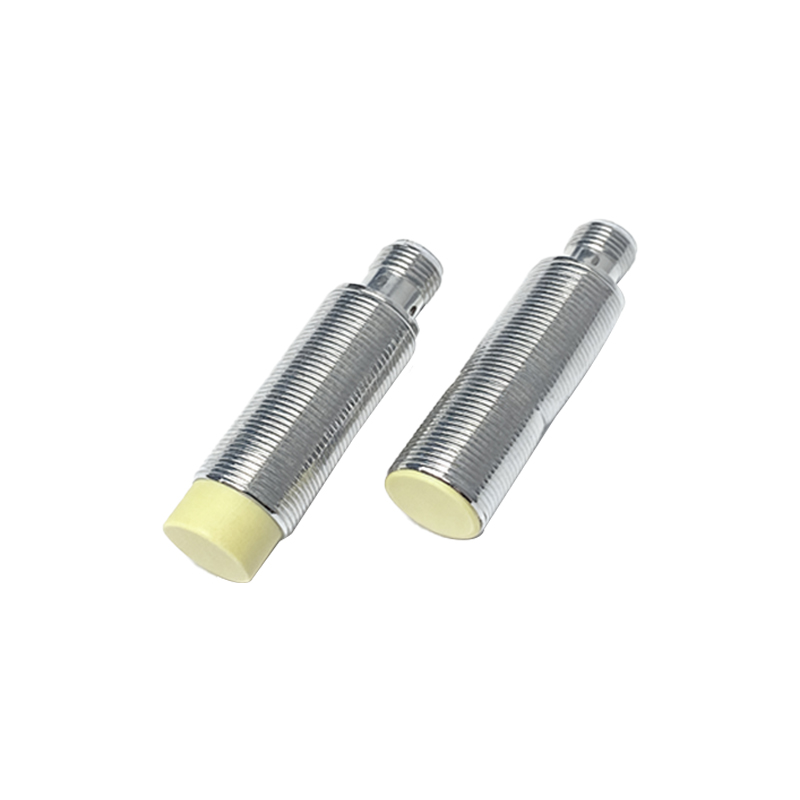
In modern industrial automation, the transition from traditional proximity switches to fiber optic sensors represents a significant technological upgrade, offering enhanced precision, reliability, and adaptability in harsh environments. Proximity switches, commonly based on inductive, capacitive, or ultrasonic principles, have long been staples for detecting the presence or absence of metallic objects without physical contact. However, they come with limitations, including susceptibility to electromagnetic interference (EMI), restricted sensing ranges, and sensitivity to environmental factors like dust, moisture, and temperature extremes. Fiber optic sensors, by contrast, leverage light transmission through optical fibers to overcome these challenges, making them ideal for applications where traditional sensors fall short.
The conversion process begins with a thorough assessment of the existing setup. Engineers must evaluate the application requirements, such as sensing distance, target material, response time, and environmental conditions. For instance, in a metal machining line where inductive proximity switches detect ferrous components, switching to fiber optic sensors can improve detection of non-metallic materials or small objects. Key steps include selecting the appropriate fiber optic sensor type—commonly through-beam, retro-reflective, or diffuse reflective models—based on the specific detection needs. Through-beam sensors, with separate transmitter and receiver units, offer long ranges and high accuracy, while diffuse reflective types are compact and suitable for close-range tasks.
Installation involves replacing the proximity switch with a fiber optic amplifier and fiber optic cables. The amplifier processes light signals, converting them into electrical outputs compatible with existing control systems like PLCs. Care must be taken to align fibers correctly and shield them from mechanical stress, as bending or crushing can attenuate signals. Additionally, fiber optic sensors require clean environments to prevent contamination from oil or debris, which can block light paths. In dusty or wet areas, protective sheathing or purging systems may be necessary.
One major advantage of fiber optic sensors is their immunity to EMI, crucial in high-voltage or radio-frequency settings where proximity switches might malfunction. They also operate in extreme temperatures, from cryogenic levels to over 200°C, unlike many proximity switches that degrade under thermal stress. Moreover, fiber optics enable multiplexing, where multiple sensors share a single amplifier, reducing wiring complexity and cost. For example, in automotive assembly, multiple points can be monitored along a conveyor using one system, enhancing efficiency.
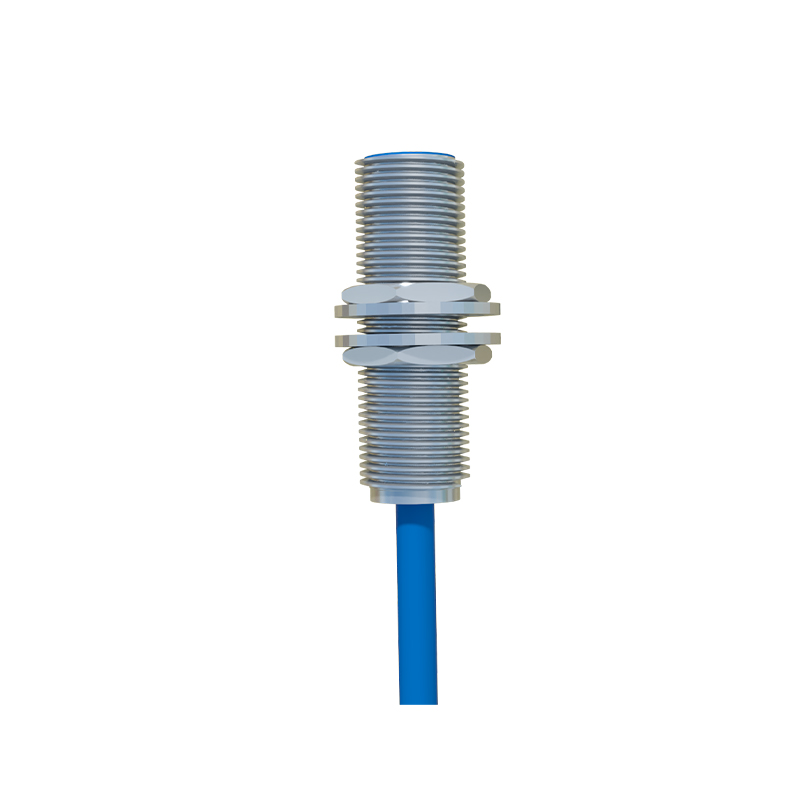
However, the conversion isn't without challenges. Initial costs are higher due to specialized components like amplifiers and fibers, and setup requires expertise in optical alignment. Maintenance differs too; while proximity switches may need periodic calibration for wear, fiber optics demand inspection for fiber integrity and cleanliness. Despite this, the long-term benefits often justify the investment, including reduced downtime, improved safety, and greater flexibility in automation designs.
In summary, upgrading from proximity switches to fiber optic sensors is a strategic move for industries seeking higher performance and resilience. By following a methodical approach—assessing needs, selecting suitable models, and ensuring proper installation—engineers can unlock new capabilities in automation, from precise small-part detection to operation in adverse conditions. As technology evolves, this shift supports smarter, more adaptive manufacturing systems, driving innovation in sectors like robotics, pharmaceuticals, and energy.