In the realm of industrial automation and precision metrology, the demand for accurate, reliable, and high-speed non-contact measurement solutions is paramount. Among the array of advanced sensing technologies, bidirectional laser displacement sensors have emerged as a critical tool for engineers and technicians. This article delves into the operational principles, key advantages, diverse applications, and selection criteria for these sophisticated devices, providing a thorough technical overview for industry professionals.
Fundamentally, a bidirectional laser displacement sensor operates on the principle of optical triangulation. Unlike conventional unidirectional sensors, it employs two receiving elements (typically position-sensitive detectors or CCD/CMOS arrays) positioned symmetrically on either side of the projected laser beam. A laser diode emits a focused beam onto the target surface. The reflected light from the surface is captured by the two receivers. By calculating the position of the light spot on each receiver, the sensor's internal processor can determine the distance to the target with high precision. This dual-receiver configuration is the core differentiator, enabling enhanced performance in challenging conditions.
The primary technical advantage of this bidirectional design is its exceptional ability to compensate for variations in target surface characteristics. In industrial settings, target surfaces are rarely ideal; they exhibit differing colors, textures, finishes (matte, glossy), and materials. A unidirectional sensor's measurement can be significantly affected by the target's light reflectivity, potentially causing signal saturation from a shiny surface or weak signal from a dark, absorptive one. The bidirectional system mitigates this by using the data from both receivers. The processor compares the two signals and selects the optimal one or uses a combined algorithm, ensuring stable and accurate measurements regardless of surface color or finish. This leads to a vastly expanded effective measurement range and improved reliability.
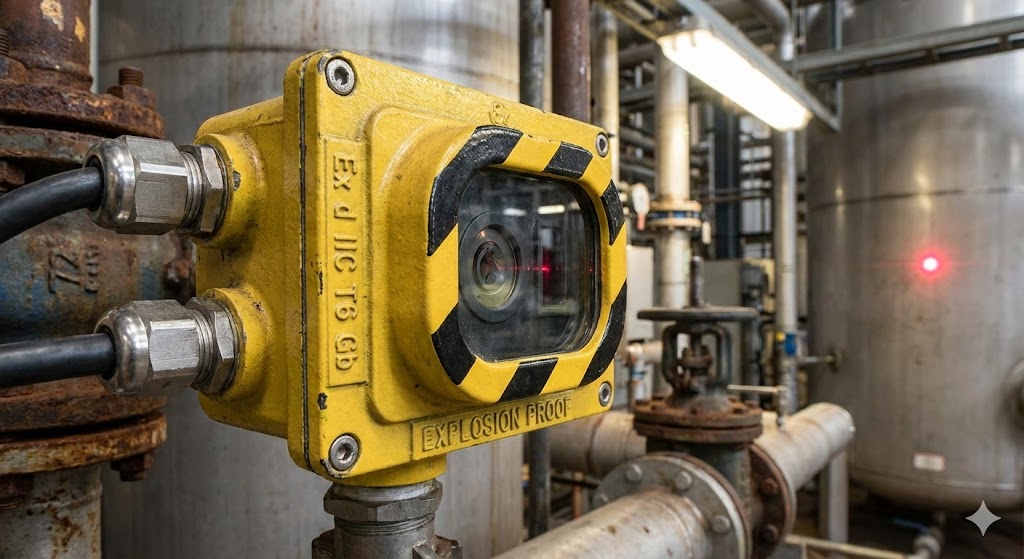
Furthermore, these sensors excel in environments with limited accessibility or where the sensor cannot be mounted perpendicular to the target. The dual-angle reception allows for greater flexibility in installation. They are also renowned for their high sampling speed, often reaching tens of kilohertz, making them suitable for dynamic measurements on moving production lines, such as monitoring vibration, thickness variation, or runout of rotating parts.
The applications for bidirectional laser displacement sensors are extensive across manufacturing and R&D sectors. In the automotive industry, they are deployed for precise gap and flush measurement between body panels, tire tread inspection, and brake disc thickness monitoring. In electronics manufacturing, they measure component coplanarity, solder paste height, and wafer warpage. The metal processing industry utilizes them for thickness gauging of sheets, profile measurement of extruded products, and surface defect detection. They are also indispensable in robotics for precise guidance and positioning tasks.
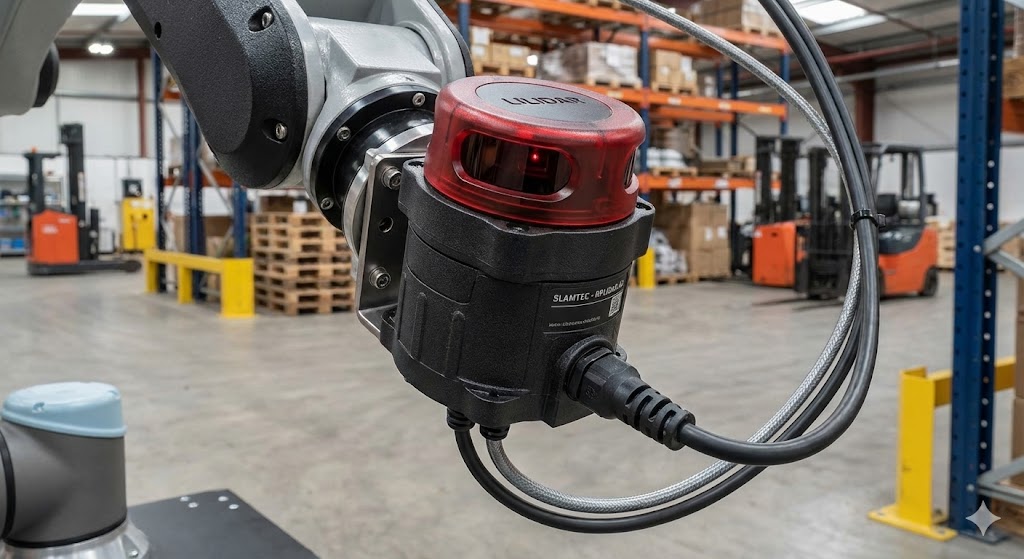
When selecting a bidirectional laser displacement sensor, several key specifications must be evaluated. Resolution, often in the micron or sub-micron range, defines the smallest detectable change in distance. Linear accuracy indicates the maximum deviation from the true value across the entire measuring range. The measuring range itself must be suited to the application. The spot size of the laser affects lateral resolution and suitability for small targets. Response speed or sampling rate is critical for high-speed processes. Environmental ratings (IP67, IP68 for dust and water resistance) and robustness against ambient light interference are vital for harsh plant floors. Finally, output interfaces (analog voltage/current, digital Ethernet, PROFINET, EtherCAT) must integrate seamlessly with existing PLCs or data acquisition systems.
Installation and maintenance best practices are crucial for optimal performance. Ensuring a stable mounting platform free from vibration is essential. The sensor should be positioned within its specified reference distance (stand-off). While tolerant, maintaining a relatively perpendicular angle to the target surface is recommended for best results. Regular cleaning of the lens with appropriate materials prevents dust accumulation from scattering the laser beam. Users should also leverage any built-in diagnostic functions or software tools provided by manufacturers for calibration and health monitoring.
In conclusion, bidirectional laser displacement sensors represent a significant advancement in non-contact metrology. Their inherent capability to overcome common challenges posed by variable surface conditions grants them unparalleled versatility and stability in real-world industrial applications. For engineers tasked with implementing precision measurement, inspection, or control systems, understanding and leveraging the capabilities of these sensors is key to enhancing quality control, improving process efficiency, and driving innovation in modern manufacturing. As technology progresses, future iterations will likely offer even higher speeds, smarter embedded processing, and tighter integration with Industry 4.0 data ecosystems.