Proximity sensor switches, often simply called proximity sensors, are non-contact sensing devices that have become indispensable in modern industrial automation and control systems. Unlike mechanical limit switches, they detect the presence or absence of a target object without any physical contact, leading to superior reliability, longevity, and operational speed. Their core operating principle involves generating an electromagnetic field or a beam of electromagnetic radiation (like infrared light) and then monitoring for changes in the field or the return signal. When a target object enters this sensing field, it causes a detectable alteration—such as a change in oscillation amplitude, capacitance, or light reflection—which the sensor converts into a solid-state electrical output signal to trigger a control action.
The defining characteristics of proximity sensors can be categorized into several key features. First and foremost is their Non-Contact Operation. This eliminates mechanical wear and tear on both the sensor and the target, ensuring a virtually infinite operational life in terms of switching cycles. It also allows for the detection of fragile, delicate, or easily marred objects that could be damaged by physical contact.
High Reliability and Long Service Life are direct results of their solid-state construction. With no moving parts to jam, break, or degrade from friction, proximity sensors offer exceptional stability in harsh environments. They are largely immune to issues like contact bounce, arcing, or oxidation that plague mechanical switches.
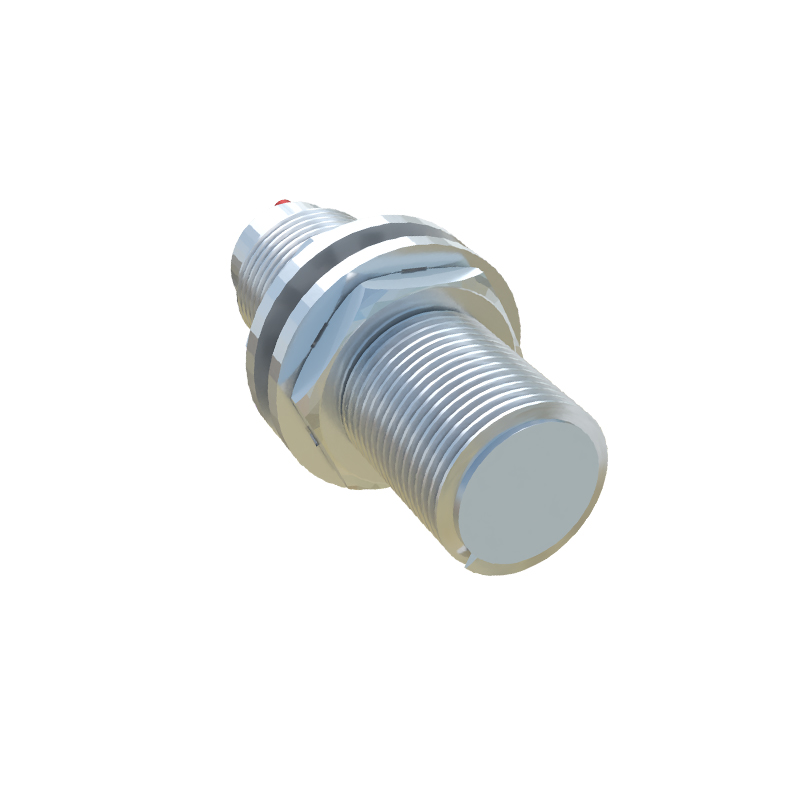
High-Speed Response is another critical advantage. Proximity sensors can operate at very high switching frequencies, often in the range of several hundred Hertz to several kilohertz. This enables precise detection and counting of small, fast-moving objects on high-speed production lines, such as bottling plants or packaging machinery, where mechanical switches would be far too slow.
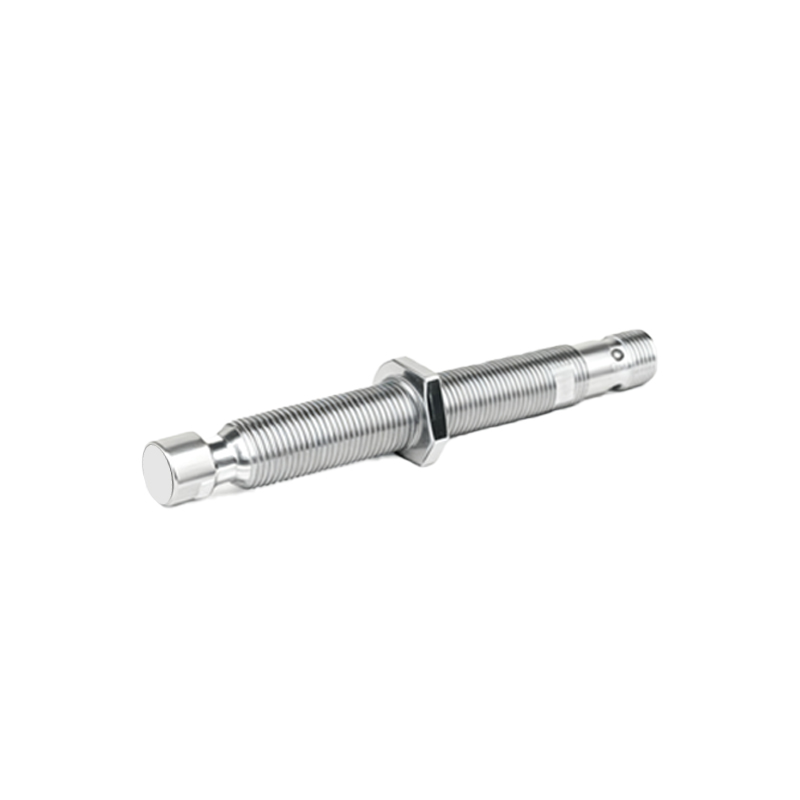
Environmental Resilience is a hallmark of industrial-grade proximity sensors. They are typically housed in robust casings made of materials like nickel-plated brass, stainless steel, or PBT plastic, offering high degrees of protection (as per IP or NEMA ratings) against dust, moisture, oils, coolants, and chemical splashes. This makes them suitable for use in demanding settings like machine tools, welding cells, and food processing plants.
Output Consistency is ensured regardless of environmental factors. Modern proximity sensors provide stable, repeatable switching points. They are designed to be largely unaffected by ambient factors like target surface color (for inductive types), atmospheric dust (within limits for optical types), or minor temperature fluctuations, providing consistent performance.
A crucial feature is their Ability to Detect Diverse Materials, which varies by sensor type. Inductive proximity sensors, the most common industrial type, detect only metallic objects (ferrous and non-ferrous with different sensing ranges). Capacitive sensors, however, can detect nearly any material—metals, plastics, wood, liquids, and granular substances—by sensing changes in dielectric constant. Ultrasonic sensors use sound waves for detection over longer ranges and can sense most materials. Photoelectric sensors utilize light beams to detect objects of almost any composition.
Furthermore, proximity sensors offer Flexible Installation and Configuration. They come in various form factors (barrel-style, rectangular, ring-shaped) and connection types (pre-wired cables or quick-disconnect connectors). Many models feature built-in LEDs for status indication and offer options like Normally Open (NO) or Normally Closed (NC) output logic, short-circuit and overload protection, and teach-in functionality for easy range adjustment.
Application versatility stems from these features. Common uses include: position sensing (end-of-travel limits), object counting on conveyors, level detection in tanks or silos (using capacitive sensors), speed monitoring of rotating shafts, part presence/absence verification in assembly, and ensuring safety in automated systems (e.g., checking a guard is in place).
When selecting a proximity sensor, engineers must consider several parameters: the required sensing distance (rated operating distance, with a safety margin), the target material and size, the required output type (PNP/NPN transistor, AC/DC, analog), the switching frequency, the environmental conditions (temperature, contaminants), and the housing style for mounting constraints.
In conclusion, the combination of non-contact sensing, ruggedness, high speed, and material-specific detection capabilities makes the proximity sensor switch a fundamental component for enhancing efficiency, precision, and reliability in automated systems. Their continuous evolution, incorporating features like IO-Link communication for digital parameterization and diagnostics, ensures they will remain at the forefront of industrial sensing technology, enabling smarter and more connected manufacturing operations.