In the world of industrial automation and control systems, the choice of a proximity sensor is far from trivial. These devices, which detect the presence or absence of an object without physical contact, are the silent sentinels of modern manufacturing, robotics, and machinery. Their reliability, accuracy, and durability directly impact production efficiency, safety, and overall system uptime. Consequently, the question of "which brand is best?" is a common and critical one among engineers and procurement specialists. The answer, however, is not monolithic; it depends heavily on specific application requirements, environmental conditions, and budget constraints. This guide will analyze the leading contenders in the proximity sensor market, providing a professional framework for evaluation.
Several brands have established themselves as leaders through decades of innovation, quality, and global support. Sick AG is often hailed for its precision and advanced diagnostic capabilities. Their sensors, particularly in the photoelectric and inductive categories, are renowned for exceptional performance in challenging environments, offering high immunity to ambient light, dust, and electromagnetic interference. For applications demanding utmost reliability in logistics, packaging, or automotive assembly, Sick is a top-tier choice.
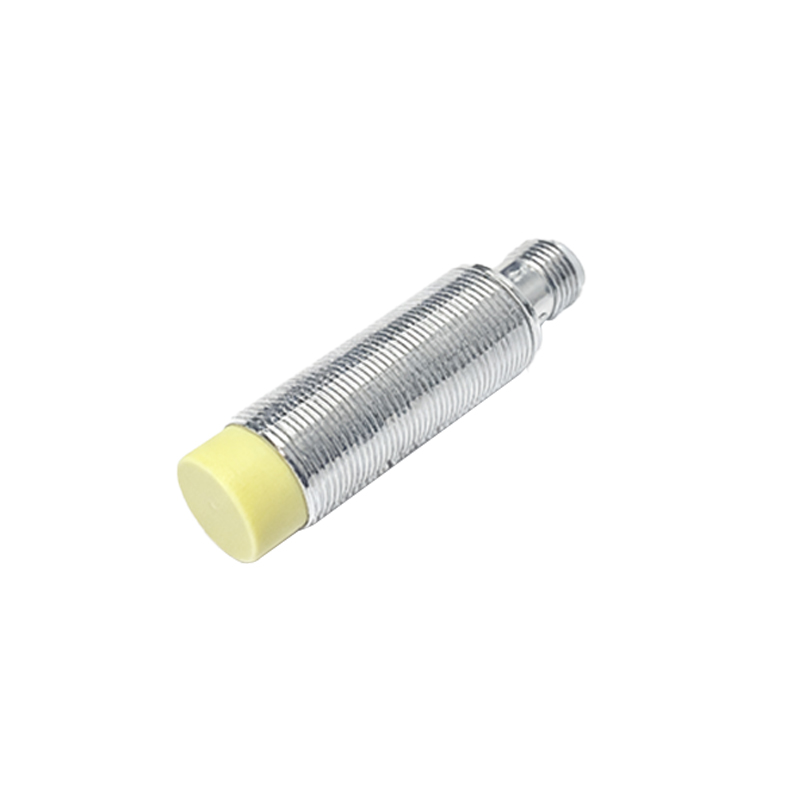
Pepperl+Fuchs is another German powerhouse, synonymous with robustness and safety, especially in hazardous areas. Their expertise in intrinsic safety and explosion-proof designs is unparalleled. If your application involves potentially explosive atmospheres (ATEX, IECEx zones), Pepperl+Fuchs should be at the top of your evaluation list. Their product range is vast, covering inductive, capacitive, ultrasonic, and photoelectric sensors with exceptional build quality.
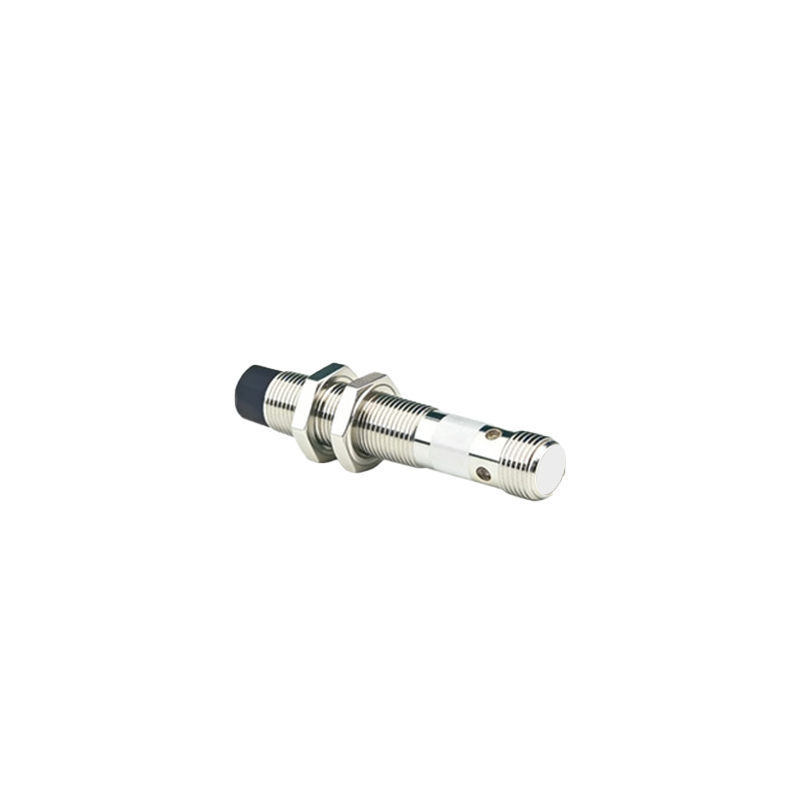
Omron, a Japanese giant, excels in delivering high-quality, cost-effective sensors with excellent global availability. Omron sensors are known for their consistency, compact designs, and user-friendly features. They offer an extensive portfolio, making them a versatile and reliable choice for a wide array of standard applications, from machine tools to consumer electronics assembly lines. Their strong presence in Asia and North America makes them a logistical favorite.
Balluff, also German, is frequently praised for its innovation in connectivity and IO-Link technology. They are pioneers in smart sensor solutions that provide not just detection but valuable process data. For Industry 4.0 applications where sensor data integration into higher-level control systems is crucial, Balluff's offerings are highly compelling. Their magnetic cylinder position sensors are also industry benchmarks.
IFM Electronic stands out for its system-oriented approach and ease of use. IFM sensors are designed with the end-user in mind, featuring clear diagnostic indicators (like their patented "perfect alignment" LED) and robust mechanical designs. They provide excellent value and are particularly strong in mobile hydraulics, food and beverage, and general industrial automation.
Turck is renowned for its ruggedness and connectivity solutions. Their sensors are built to withstand extreme conditions—high pressure washdowns, intense vibrations, and wide temperature ranges. Turck's expertise in connector technology and multiport junction boxes also simplifies installation and reduces wiring costs in large-scale applications.
Choosing the "best" brand requires a structured assessment. First, define the Technical Requirements: sensing distance, target material (metal, plastic, liquid), required output type (PNP/NPN, analog, IO-Link), switching frequency, and housing size (e.g., M8, M12, M30). Second, consider the Operating Environment: temperature range, exposure to chemicals, oils, coolants, or high-pressure cleaning, and the presence of vibration or shock. Third, evaluate the Supply Chain & Support: local distributor network, technical support quality, lead times, and the availability of replacement parts. Finally, perform a Total Cost of Ownership (TCO) analysis. The initial purchase price is only one component; consider installation time, maintenance needs, and potential downtime costs.
For instance, a high-speed bottling line might prioritize the sensing speed and hygiene of a Sick photoelectric sensor. A chemical processing plant would mandate the explosion-proof certification of a Pepperl+Fuchs device. A cost-sensitive, high-volume OEM might find Omron's balance of performance and price ideal. An advanced machining center aiming for predictive maintenance would benefit from Balluff's IO-Link enabled inductive sensors.
In conclusion, there is no single "best" brand for all proximity sensors. Sick, Pepperl+Fuchs, Omron, Balluff, IFM, and Turck all occupy leading positions with distinct strengths. The optimal selection emerges from a meticulous cross-reference of your specific application demands against each brand's core competencies. The best practice is to request samples from two or three shortlisted manufacturers for real-world testing under actual operating conditions. This empirical approach, combined with the strategic considerations outlined above, will guide you to the most reliable and efficient sensing solution for your project, ensuring long-term operational success.