In industrial automation and process control, laser level sensors have become indispensable tools for accurate, non-contact measurement of liquids, solids, and slurries. For businesses requiring multiple units across various facilities or for distributors supplying the industrial sector, purchasing laser level sensors through wholesale channels offers significant advantages in cost, consistency, and supply chain efficiency. This guide explores the critical aspects of laser level sensor wholesale, providing essential information for making informed bulk purchasing decisions.
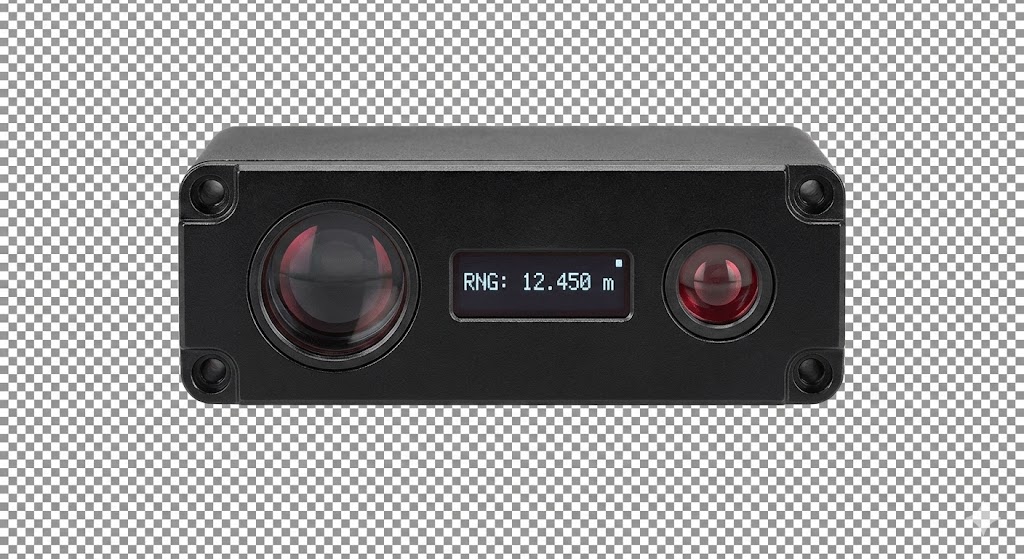
Laser level sensors operate on the principle of time-of-flight or phase-shift measurement. A laser diode emits a focused beam of light towards the target material's surface. The sensor's receiver then detects the reflected light. By calculating the time difference between emission and reception, the sensor precisely determines the distance to the material, translating it into a reliable level measurement. This technology excels in applications where other sensors, like ultrasonic or capacitive types, may struggle—such as in environments with dust, vapor, foam, or extreme temperatures. The key benefits driving wholesale demand include high accuracy (often within millimeter range), a narrow beam that allows for installation in confined spaces or around obstacles, and fast response times suitable for dynamic processes.
The decision to engage in wholesale purchasing is typically driven by volume. Common wholesale scenarios include Original Equipment Manufacturers (OEMs) integrating sensors into their machinery, large industrial plants (e.g., chemical, water treatment, food and beverage, pharmaceutical) outfitting multiple tanks and silos, and established distributors or system integrators building inventory for resale or project-based use. Wholesale procurement moves beyond buying single units and involves strategic partnership with suppliers or manufacturers. The primary advantages are clear: substantial cost reduction per unit due to volume discounts, guaranteed uniformity in technology and performance across all sensors, simplified logistics with fewer shipments, and often, prioritized technical support and access to newer product lines.
When evaluating wholesale suppliers, several technical and commercial factors must be scrutinized. First, assess the product range. A reputable wholesaler should offer various models with different sensing ranges, output signals (4-20mA, Modbus, PROFIBUS DP, etc.), housing materials (stainless steel, plastic), and laser classes (typically Class 2, which is eye-safe). Compatibility with existing control systems is paramount. Second, evaluate manufacturing quality and certifications. Look for suppliers whose products carry international certifications like IECEx, ATEX for hazardous areas, SIL for functional safety, or FDA compliance for food-grade applications. Consistent quality is non-negotiable in bulk orders. Third, consider the supplier's capability regarding customization. Wholesale buyers often require specific cable lengths, process connections (e.g., G½, 1½ NPT), or special calibrations. A flexible manufacturer can accommodate these requests in large batches. Fourth, examine the commercial terms: minimum order quantities (MOQs), payment terms, lead times, warranty policies, and the availability of spare parts. A transparent and detailed wholesale agreement protects both parties.
Beyond the initial purchase, the long-term relationship with a wholesale supplier hinges on support and reliability. Inquire about after-sales services, including comprehensive technical documentation, training resources for your team, and the efficiency of the repair or replacement process. A supplier with a global distribution network can be crucial for multinational companies needing local support. Furthermore, discuss their inventory management practices. Can they hold safety stock for you? How do they handle sudden surge orders? Reliable supply chain continuity is a critical value proposition in wholesale partnerships.
The application landscape for wholesale laser sensors is vast. In the water and wastewater industry, they monitor levels in clarifiers, chemical tanks, and storage basins. In bulk solid handling, such as grain silos or plastic pellet hoppers, they provide reliable measurement where dust is prevalent. The chemical industry utilizes them for aggressive liquids in reaction vessels, while the food and beverage sector employs them for hygienic level control in mixing tanks and storage vessels. Purchasing in bulk for such standardized applications ensures operational consistency and reduces maintenance training overhead.
In conclusion, venturing into laser level sensor wholesale is a strategic move that demands careful planning. By thoroughly understanding your application requirements, meticulously vetting potential suppliers on both technical and commercial grounds, and focusing on building a partnership rather than just a transactional relationship, businesses can secure a reliable, high-performance supply of critical measurement technology. This approach not only optimizes capital expenditure but also strengthens operational resilience and process efficiency across the entire enterprise.