In the modern agricultural landscape, the integration of advanced automation technologies is no longer a luxury but a necessity for ensuring efficiency, productivity, and animal welfare. Among these technologies, proximity sensors have emerged as a critical component in the evolution of livestock machinery. These non-contact detection devices are revolutionizing how farms operate, offering precise, reliable, and humane solutions for managing livestock and equipment.
Proximity sensors, including inductive, capacitive, and ultrasonic types, function by detecting the presence or absence of an object within a specific range without physical contact. In livestock machinery, this capability is paramount. For instance, in automated feeding systems, inductive proximity sensors are employed to monitor feed levels in hoppers and silos. They ensure that the supply chain remains uninterrupted, triggering refill mechanisms before depletion occurs. This not only optimizes feed management but also prevents stress in animals due to irregular feeding schedules.
Another significant application is in milking parlors and robotic milking systems. Here, capacitive proximity sensors play a vital role in identifying the position of dairy cows and guiding robotic arms for teat attachment. By accurately sensing the animal's proximity, these sensors enable gentle and efficient milking processes, reducing human labor and minimizing discomfort for the cows. This precision directly contributes to higher milk yield and improved herd health, as consistent milking routines are maintained.
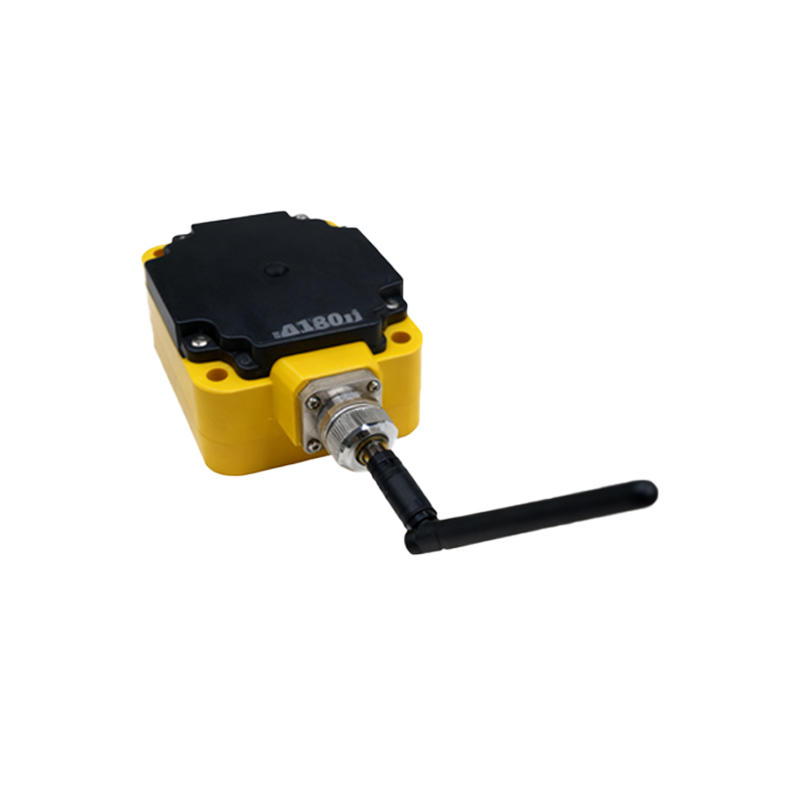
Safety in livestock housing is greatly enhanced by ultrasonic proximity sensors. Installed on automated gates, doors, and moving machinery such as feed pushers and manure scrapers, these sensors detect the presence of animals or workers, preventing collisions and entrapment. For example, in large-scale poultry farms, sensors can halt conveyor systems if a bird strays into a hazardous zone, thereby reducing injury rates and mortality. This proactive safety measure aligns with stringent animal welfare regulations and promotes a safer working environment for farm personnel.
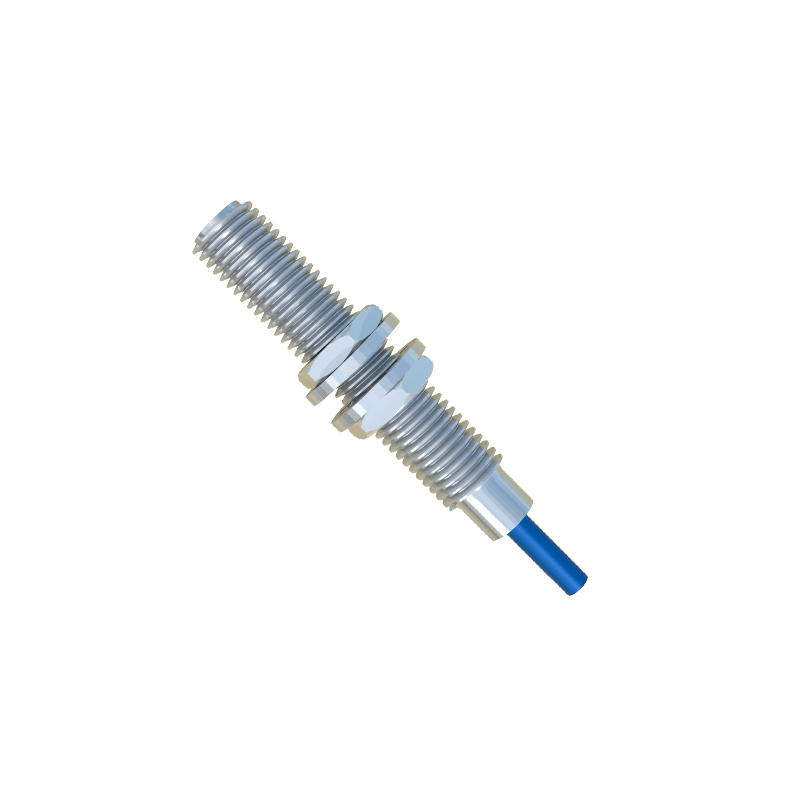
Moreover, proximity sensors are integral to health monitoring systems. Wearable or embedded sensors equipped with proximity detection can track individual animal movements and behaviors. Sudden changes, such as reduced activity or irregular feeding patterns, can signal illness or distress. Automated alerts enable prompt veterinary intervention, preventing disease spread and enhancing overall herd management. This data-driven approach supports precision livestock farming, where decisions are based on real-time information rather than estimates.
The durability and reliability of modern proximity sensors make them suitable for harsh farm environments. Designed to withstand dust, moisture, temperature fluctuations, and chemical exposures, sensors with high IP ratings ensure consistent performance in barns, stables, and outdoor machinery. This robustness reduces maintenance needs and downtime, leading to cost savings and increased operational continuity.
In breeding and farrowing operations, proximity sensors assist in managing sow and piglet interactions. Sensors can monitor nesting areas, ensuring optimal conditions for farrowing and preventing crushing incidents by alerting systems to separate sows when necessary. This application underscores how technology can address specific welfare challenges, improving survival rates and litter health.
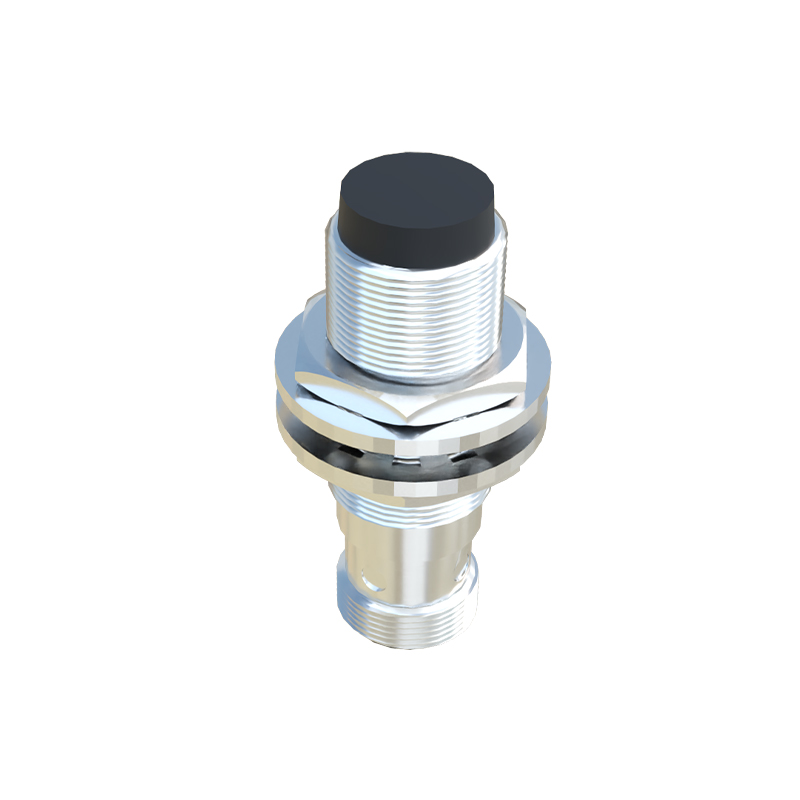
As the livestock industry moves towards greater automation, the role of proximity sensors will continue to expand. Innovations such as IoT-enabled sensors and AI integration promise even smarter machinery capable of predictive analytics and autonomous decision-making. For instance, sensors could predict equipment failures or optimize feeding regimens based on animal growth data, further elevating efficiency and sustainability.
In conclusion, proximity sensors are indispensable in modern livestock machinery, bridging the gap between automation and animal-centric care. By enabling precise control, enhancing safety, and supporting health monitoring, they contribute to a more productive, humane, and sustainable agricultural future. Their adoption represents a strategic investment for farmers aiming to meet the growing demands of global food supply while upholding high standards of animal welfare.