In the realm of industrial automation and electrical control systems, proximity sensors are ubiquitous. A common question that arises among engineers, especially those new to the field, is: "Are proximity sensors universal?" The short answer is a qualified no. While they serve a universal function—detecting the presence or absence of an object without physical contact—their selection, application, and compatibility are far from one-size-fits-all. Understanding the nuances is crucial for optimal system design and reliability.
Firstly, the term "proximity sensor" encompasses several distinct technologies, each with its own operating principles and ideal use cases. The most common types include Inductive, Capacitive, Ultrasonic, and Photoelectric sensors. An inductive proximity sensor, for instance, detects metallic objects only, using an electromagnetic field. It is universal in applications involving ferrous and non-ferrous metals but entirely ineffective for plastic, wood, or liquid detection. Conversely, a capacitive sensor can detect nearly any material, including liquids and powders, by sensing changes in capacitance. Its "universality" in target material comes at the cost of potential false triggers from environmental factors like humidity. Photoelectric sensors, using light beams, offer long ranges and can detect various objects, but their performance is heavily influenced by color, transparency, and ambient light conditions. Ultrasonic sensors, using sound waves, are excellent for distance measurement and detecting diverse materials, including transparent objects, but may struggle in environments with high noise or varying air temperatures. Therefore, sensor technology itself is not universal; it is highly specialized.
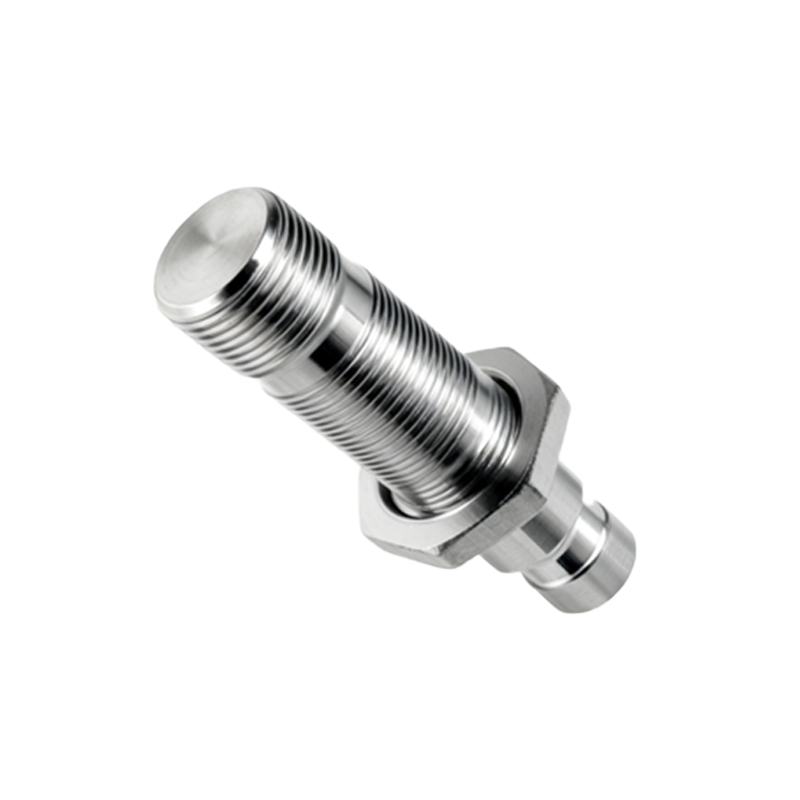
Beyond the core technology, electrical characteristics and output configurations present another layer of non-universality. Proximity sensors primarily come with two types of outputs: Digital (Discrete) and Analog. Digital outputs, typically in the form of NPN (sinking) or PNP (sourcing) transistors, or relay contacts, provide a simple ON/OFF signal. The choice between NPN and PNP is fundamental and must match the input card of the Programmable Logic Controller (PLC). Using an NPN sensor with a PNP-input PLC, or vice versa, will not work without interface circuitry. This is a common point of confusion, highlighting a lack of universality in wiring and signal compatibility. Analog outputs (e.g., 4-20 mA, 0-10 V) provide a continuous signal proportional to the distance to the target, used for precise positioning or monitoring. These are not interchangeable with digital inputs.
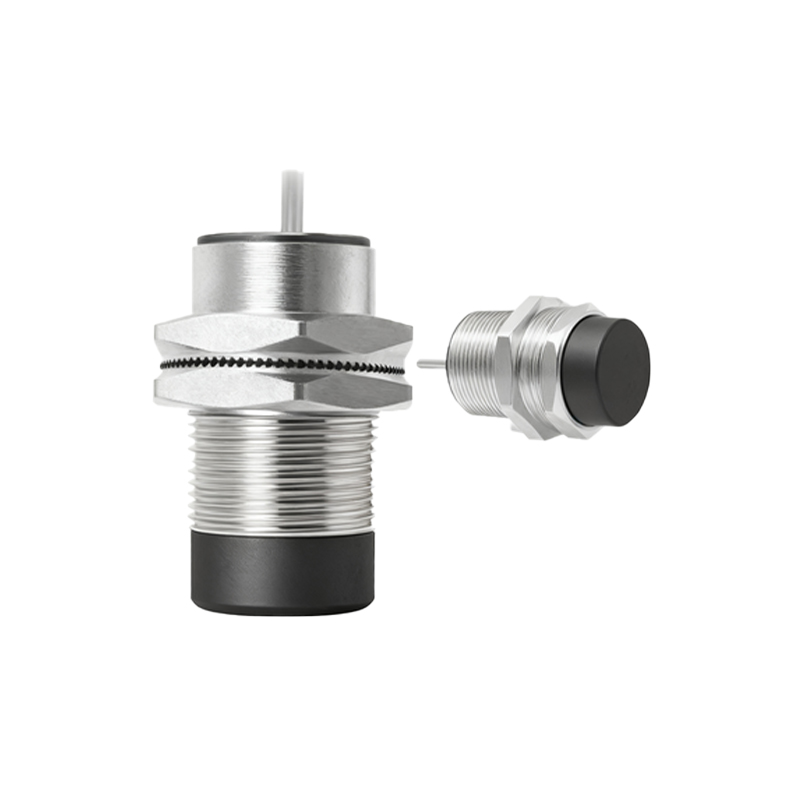
Physical form factors and mounting styles also vary significantly. Sensors come in cylindrical barrels (e.g., M8, M12, M18, M30 threaded barrels), rectangular blocks, or specialized housings. Their size, shape, and mounting method (flush-mounted, non-flush-mounted) affect sensing range and installation feasibility. A sensor perfectly suited for a tight space in one machine may be physically impossible to install in another. Environmental ratings, denoted by IP (Ingress Protection) and NEMA codes, are critical. A sensor rated IP67 for dust and temporary immersion is not universal for a washdown environment requiring IP69K. Similarly, sensors for high-temperature foundries differ from those in clean-room electronics assembly.
Finally, the concept of universality is challenged by communication protocols in modern Industry 4.0 setups. Traditional sensors with simple I/O points are giving way to smart sensors with IO-Link, PROFINET, or EtherNet/IP connectivity. While these digital communication protocols aim for higher-level interoperability, a sensor with IO-Link is not directly universal with a PROFINET network without a suitable master/gateway. The intelligence is enhanced, but plug-and-play universality across different vendor ecosystems remains limited.
In conclusion, proximity sensors are universal in their fundamental purpose of non-contact detection, but they are highly application-specific in practice. Successful implementation requires careful consideration of: 1) Target material (selecting inductive, capacitive, etc.), 2) Required output signal (NPN, PNP, analog) for PLC compatibility, 3) Physical constraints (size, mounting, range), 4) Environmental conditions (IP rating, temperature), and 5) Network communication needs. The engineer's task is not to find a mythical universal sensor, but to systematically analyze the application requirements and select the most appropriate sensor from the vast and specialized portfolio available. Always consult manufacturer datasheets and, when in doubt, perform real-world testing with the actual target material and in the intended environment to ensure reliable operation.