In the realm of industrial automation, precision and reliability are paramount. Two critical components that enable these attributes are laser sensors and proximity switches. While both serve to detect objects without physical contact, their underlying technologies, applications, and performance characteristics differ significantly. This article delves into the principles, advantages, and typical use cases of each, providing insights for engineers and technicians in the electrical and automation sectors.
Laser sensors operate by emitting a focused beam of light, typically in the visible or infrared spectrum, toward a target. The sensor then analyzes the reflected light to determine various parameters such as distance, presence, or dimensions. Common types include time-of-flight sensors, which calculate distance based on the time taken for the light to return, and triangulation sensors, which use geometric principles for high-accuracy measurements. Laser sensors are renowned for their exceptional precision, often achieving resolutions in the micrometer range. They excel in applications requiring fine detail, such as quality control in manufacturing, where they inspect component tolerances, or in robotics, where they guide precise movements. However, their performance can be influenced by environmental factors like ambient light, dust, or surface reflectivity, necessitating careful installation and calibration.
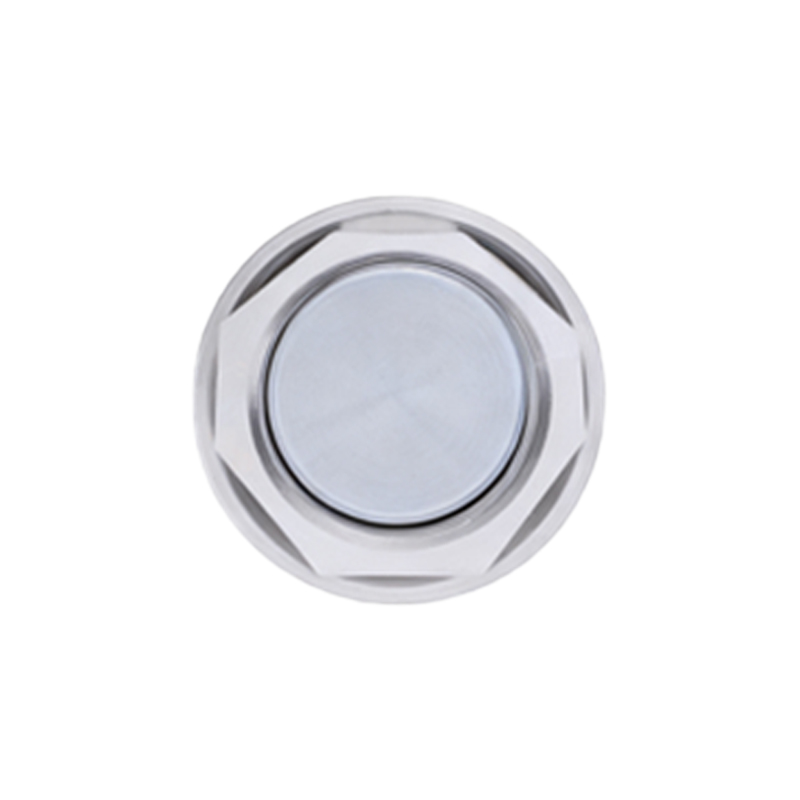
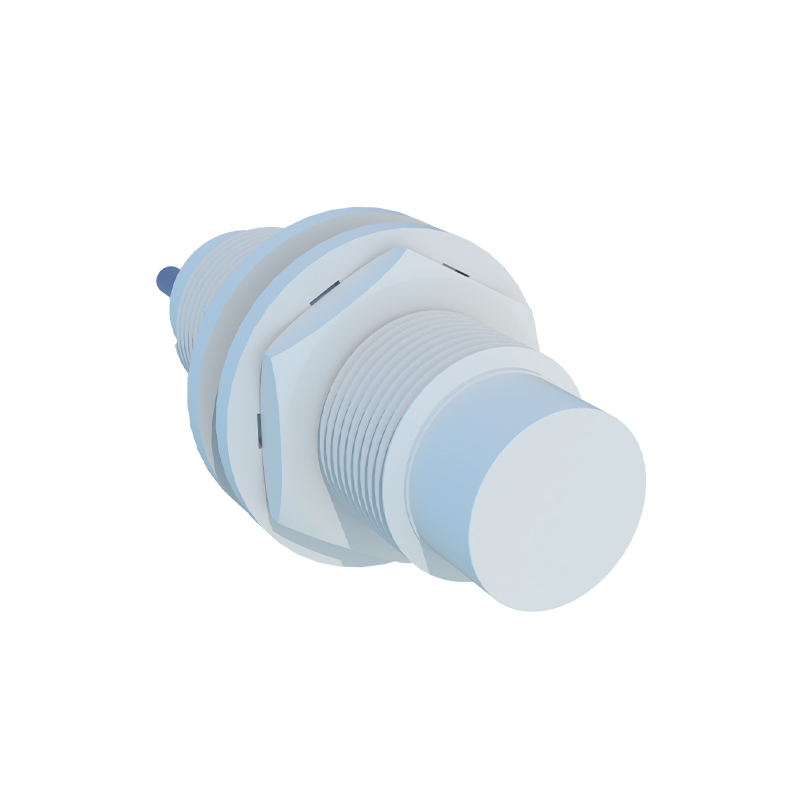
Proximity switches, on the other hand, are non-contact sensors that detect the presence or absence of an object within a specified range using electromagnetic fields or capacitive effects. Inductive proximity switches are widely used for metallic objects, generating an oscillating magnetic field that changes when a metal target enters it, triggering a switch signal. Capacitive proximity switches can detect both metallic and non-metallic materials by sensing changes in capacitance caused by the target's dielectric properties. These switches are valued for their robustness, simplicity, and durability in harsh industrial environments. They are commonly employed in machinery for position sensing, limit switching, or object counting, where high-speed response and resistance to contaminants like oil or dirt are crucial. Unlike laser sensors, proximity switches generally offer lower precision but are more cost-effective and easier to integrate into control systems.
When selecting between laser sensors and proximity switches, engineers must consider factors such as detection range, accuracy requirements, environmental conditions, and budget. Laser sensors are ideal for tasks demanding high-resolution data over longer distances, such as in semiconductor fabrication or automated assembly lines. Proximity switches suit applications needing reliable, close-range detection in rugged settings, like conveyor systems or automotive manufacturing. Both technologies continue to evolve, with advancements in miniaturization, connectivity, and smart features enhancing their roles in Industry 4.0 initiatives. By understanding their distinct capabilities, professionals can optimize system performance, reduce downtime, and improve safety in automated processes.