In the dynamic landscape of industrial automation and machinery, the demand for precision, reliability, and adaptability has never been higher. At the heart of countless automated systems lie proximity sensors, the silent sentinels that detect the presence or absence of objects without physical contact. While off-the-shelf sensors serve many applications, complex and unique operational environments often necessitate a different approach: custom proximity sensor solutions from specialized manufacturing companies. These firms bridge the gap between standard technology and specific, challenging industrial requirements.
A custom proximity sensor company operates on the principle of engineered-to-order solutions. Unlike generic models, a custom sensor is designed from the ground up—or significantly modified from a base platform—to meet exact specifications. This process begins with a deep collaborative consultation between the client's engineering team and the sensor manufacturer's application experts. Key parameters under discussion include sensing range, which may need to be exceptionally short or long; the target material (ferrous metals, non-ferrous metals, plastics, or liquids); environmental factors such as extreme temperatures, high pressure, washdown conditions, or exposure to corrosive chemicals; and output requirements (PNP/NPN, analog, IO-Link, or specific communication protocols). The physical form factor is equally critical, often requiring miniaturization for tight spaces, specific housing materials like stainless steel for food-grade applications, or unique mounting configurations.
The technological core of these custom solutions spans various sensing principles. Inductive sensors are tailored for precise metal detection, with adjustments in oscillation frequency and coil design. Capacitive sensors can be customized to sense specific non-metallic materials or liquid levels through changes in electrode design and sensitivity tuning. Magnetic sensors are adapted for specialized reed or Hall-effect applications. Advanced companies also integrate custom electronics, enabling features like programmable sensing windows, temperature compensation, embedded diagnostics, and robust noise immunity for electrically noisy environments like welding cells or large motor drives.
The benefits of partnering with a proficient custom sensor manufacturer are substantial. The foremost advantage is optimized performance. A sensor designed for a specific task eliminates the compromises inherent in using a standard unit, leading to higher accuracy, repeatability, and system efficiency. This directly reduces false triggers, downtime, and product waste. Enhanced durability is another key outcome. By designing the housing, seals, and internal components to withstand the actual operating stresses, the sensor's lifespan is dramatically extended, lowering the total cost of ownership despite a higher initial unit cost. Furthermore, custom integration can streamline assembly processes. A sensor designed to fit a specific mounting point or connect directly to a proprietary harness simplifies installation and maintenance.
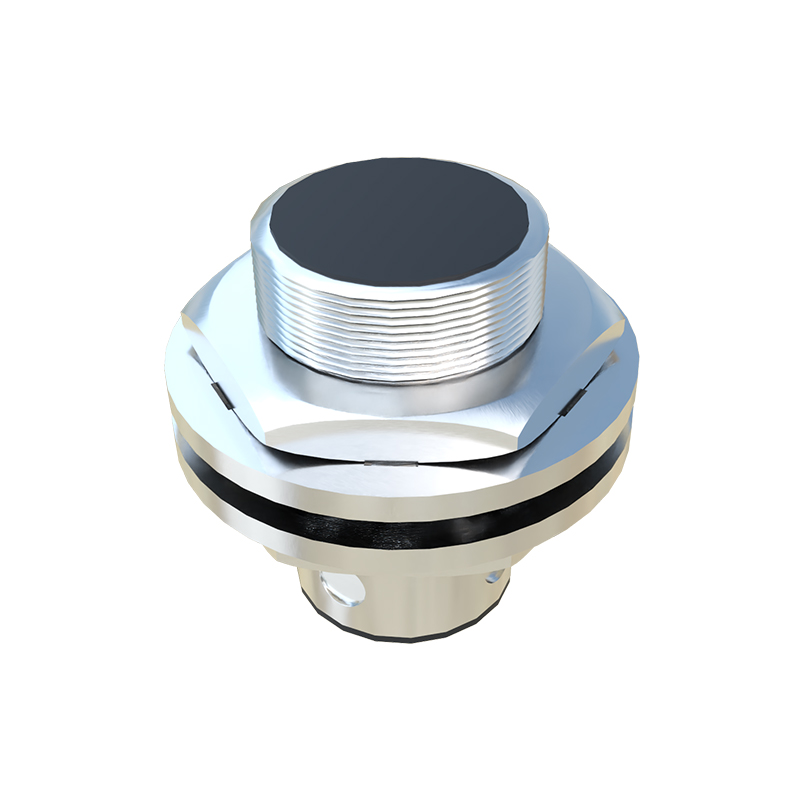
The industries that most frequently leverage these specialized services are those with stringent or unusual demands. In automotive manufacturing, custom sensors are built to survive paint shops, withstand vibration on robotic arms, and detect unique component geometries on high-speed assembly lines. The food and beverage sector requires sensors with ultra-smooth housings, specific IP69K ratings for harsh cleaning, and materials compliant with FDA or EHEDG standards. In heavy machinery and agriculture, sensors are ruggedized for shock, dust, and moisture. Semiconductor fabrication demands ultra-pure materials and exceptional precision for wafer handling. Even emerging fields like renewable energy and advanced robotics turn to custom sensor makers for solutions that do not yet exist in catalogues.
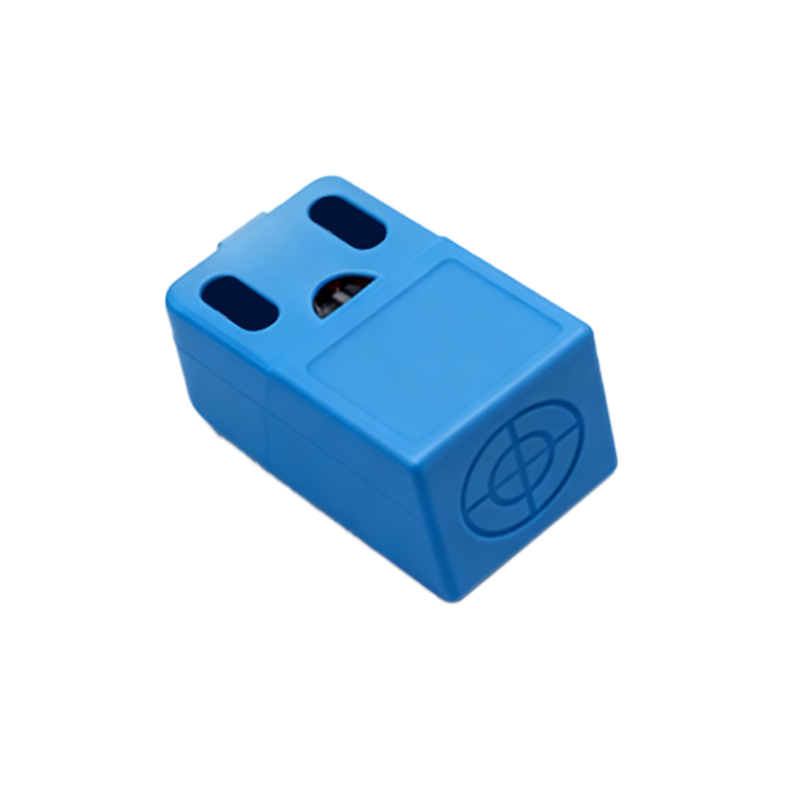
Selecting the right custom proximity sensor company is a strategic decision. Key criteria include proven engineering expertise and a strong R&D department capable of simulation and prototyping. A robust quality management system (e.g., ISO 9001) and in-house testing facilities for environmental, EMI, and life-cycle testing are non-negotiable for ensuring reliability. The manufacturer should demonstrate a track record in your industry or with similar technical challenges. Transparency in the development process, including clear milestones for prototyping, testing, and production, is essential. Finally, assess their scalability—from small batch production for prototyping to full-scale manufacturing—and their after-sales support for potential future modifications.
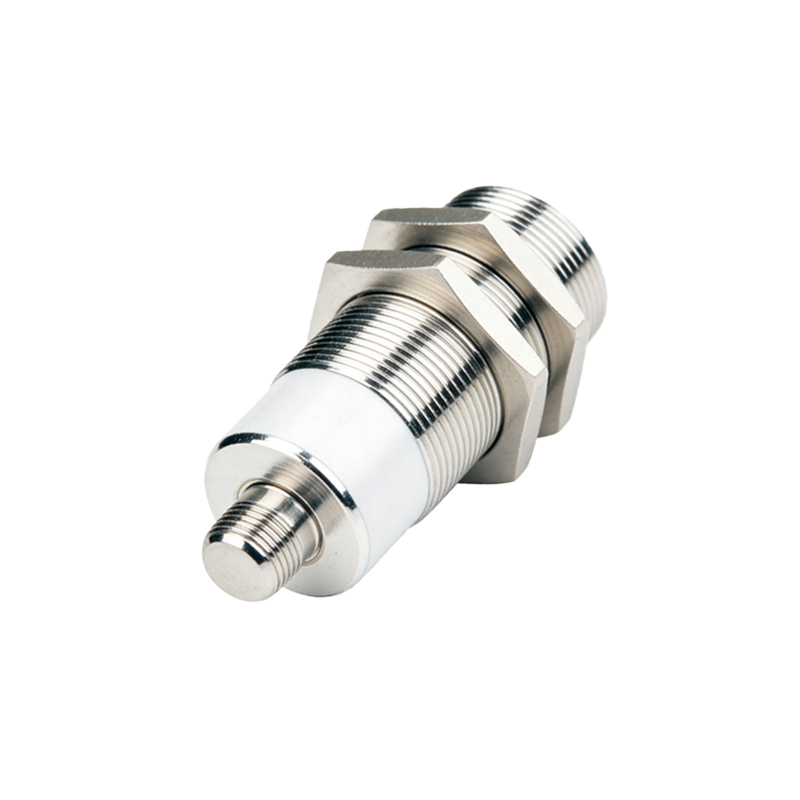
In conclusion, as industrial applications grow more sophisticated, the role of the custom proximity sensor manufacturer becomes increasingly vital. These companies are not merely suppliers but technology partners that provide a critical competitive edge. By transforming specific operational challenges into reliable, seamless detection solutions, they enable innovation, enhance safety, and drive efficiency. For engineers facing detection problems where standard sensors fall short, the path forward lies in collaboration with a specialist capable of turning unique requirements into tangible, high-performance sensor reality.