In modern industrial automation systems, the seamless integration of sensing and switching components is fundamental to achieving reliable and efficient control. Among these critical pairings, the use of proximity sensors to drive electromechanical relays represents a classic yet powerful configuration. This article delves into the technical principles, application considerations, and implementation best practices for this essential circuit.
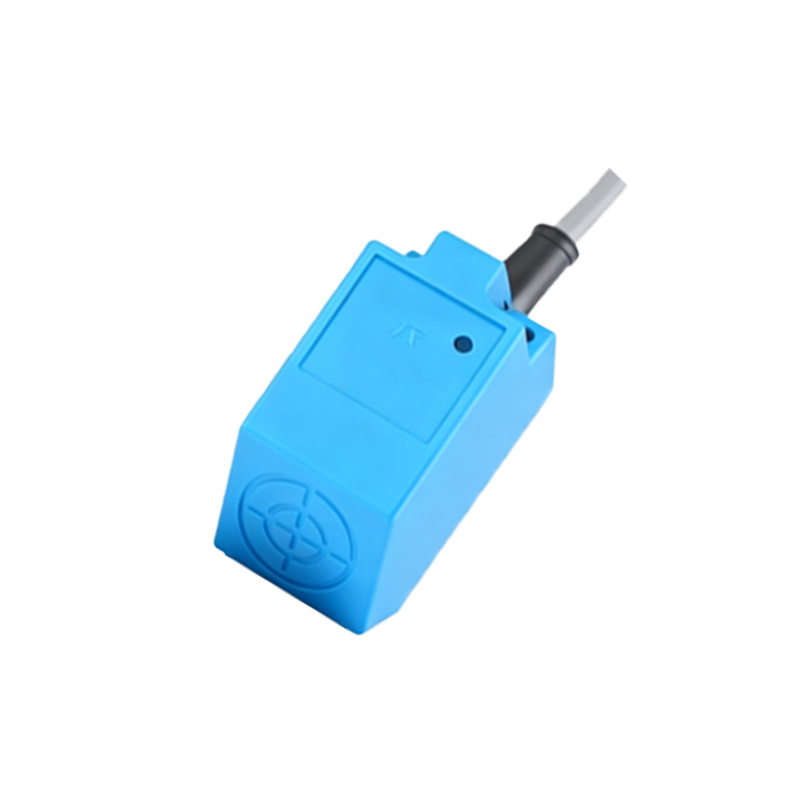
A proximity sensor is a non-contact device that detects the presence or absence of a target object within its sensing field, typically using inductive, capacitive, or photoelectric principles. Its output is usually a digital signal—either a solid-state transistor (NPN sinking or PNP sourcing) or a relay contact itself. For the purpose of directly driving a larger load relay, we most commonly interface with the sensor's solid-state DC output.
The core function is straightforward: the proximity sensor acts as the primary detecting element. When a metal object (for inductive sensors) enters its detection range, the sensor's output transistor switches state. This change in state completes a circuit, allowing current to flow through the coil of an electromechanical relay. Once energized, the relay's coil creates a magnetic field, pulling in its armature and physically closing (or opening) its heavy-duty contact set. This contact set can then switch a much higher voltage and current load, such as a motor starter, solenoid valve, or warning lamp, which the delicate sensor output could never handle directly.
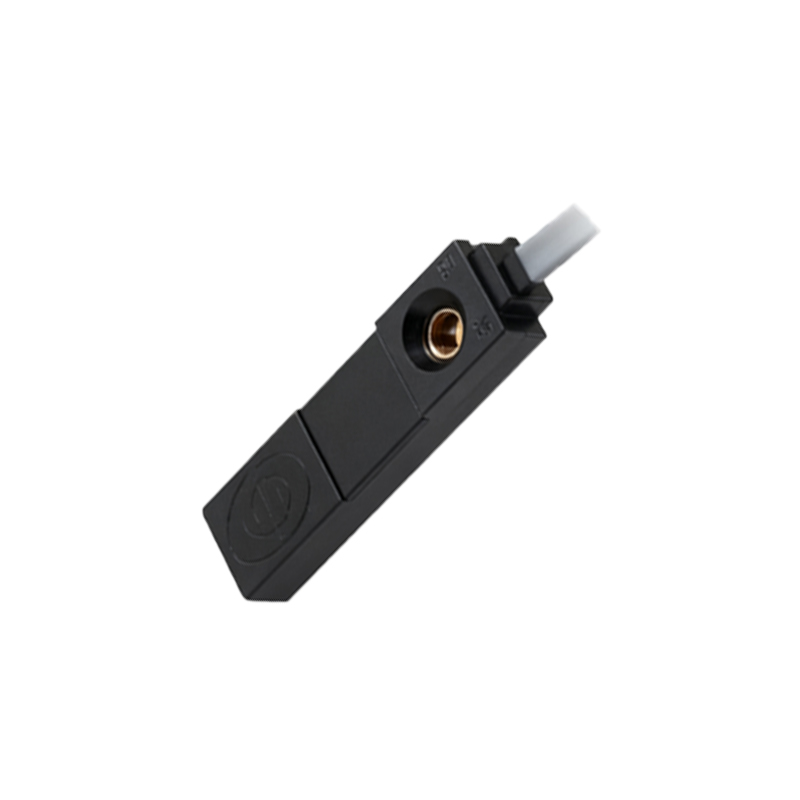
Several key technical factors must be considered for a robust design. First is voltage compatibility. The sensor's output voltage and the relay coil voltage must match the system's DC supply (commonly 12VDC or 24VDC). Second is current rating. The sensor's maximum output current must exceed the relay coil's inrush and holding current. Most standard industrial proximity sensors can sink or source currents up to 200mA, sufficient for driving typical control relays with coils consuming 10-50mA. A crucial protective component is the freewheeling diode (also called a flyback diode), which must be installed in reverse bias across the relay coil. This diode suppresses the high-voltage inductive spike generated when the coil is de-energized, protecting the sensor's output transistor from damage.
Wiring configuration depends on the sensor's output type. For a 3-wire DC NPN (sinking) sensor, the output wire connects to one terminal of the relay coil. The other coil terminal connects to the positive DC supply. When the sensor activates, it sinks current from the coil to negative/ground, energizing the relay. For a PNP (sourcing) sensor, the output provides positive voltage; thus, one coil terminal connects to the sensor output, and the other connects to DC negative.
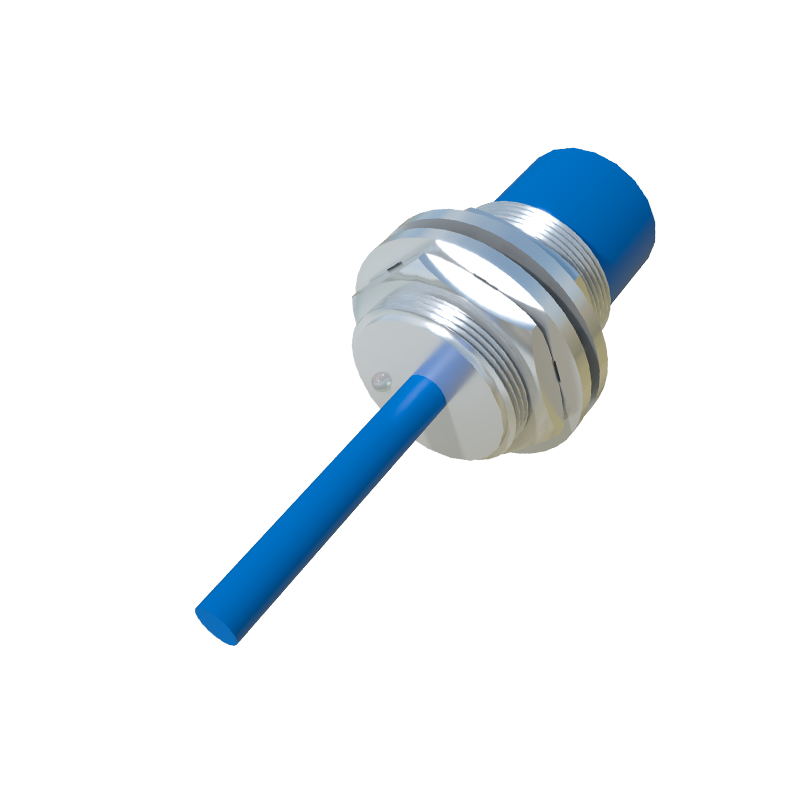
Beyond basic switching, this setup offers significant advantages. It provides complete electrical isolation between the low-voltage sensing circuit and the high-power load circuit, enhancing safety and noise immunity. It also allows a single sensor to control multiple loads by driving several relays or a multi-pole relay. Furthermore, relays can be used to create latching circuits or logical interlock functions based on sensor inputs.
In practice, for highly repetitive or high-speed applications, a solid-state relay (SSR) might be considered instead of an electromechanical relay, though driven by the same sensor logic. However, for most general-purpose applications involving motors, solenoids, or lighting, the electromechanical relay driven by a proximity sensor remains a cost-effective, robust, and easily maintainable solution. Engineers must always consult both the sensor and relay datasheets, ensure proper DIN-rail mounting and enclosure for the environment, and adhere to all relevant electrical safety standards during installation and commissioning. This classic pairing continues to be a cornerstone of automated machine control, from conveyor lines to packaging machinery and robotic cells.