Proximity Switch Sensor PSH represents a critical category of non-contact sensing devices widely employed in industrial automation, manufacturing, and control systems. As an electrical engineer, a deep understanding of the PSH series' operational principles, specifications, and application nuances is essential for designing robust and efficient systems. This guide delves into the core aspects of PSH proximity sensors, providing a technical overview aligned with industry standards and practices.
Fundamentally, a Proximity Switch Sensor PSH detects the presence or absence of a metallic target object without physical contact. It operates primarily on the principle of electromagnetic induction. The sensor contains an oscillator circuit that generates a high-frequency electromagnetic field at its active face. When a ferrous or non-ferrous metal object enters this field, eddy currents are induced on the target's surface. This causes a change in the oscillation amplitude or frequency within the sensor's circuit. An integrated evaluation circuit detects this change and triggers a solid-state output switch, typically in the form of a PNP or NPN transistor. This non-contact nature eliminates mechanical wear, ensuring high reliability and a long operational lifespan, often exceeding millions of switching cycles.
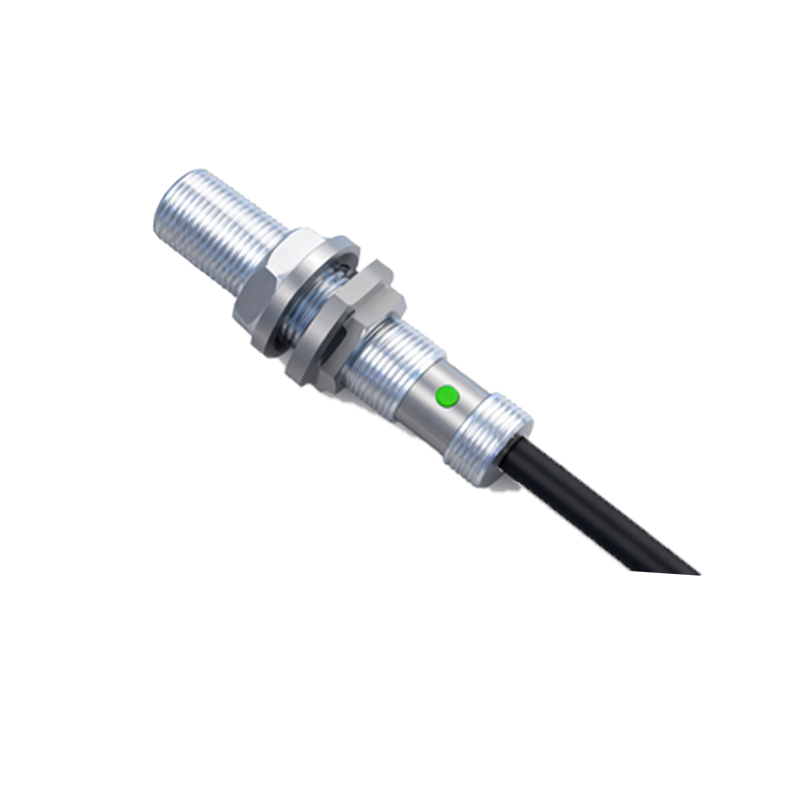
The PSH series is characterized by several key technical parameters that engineers must carefully evaluate during selection. The sensing distance, or nominal range, is a primary specification. It is crucial to note that this rated distance is defined for a standard target (usually mild steel). For other metals like aluminum, brass, or stainless steel, a correction factor must be applied, as the effective sensing range decreases. The housing material, typically nickel-plated brass, stainless steel, or PBT plastic, is chosen based on the environmental conditions, including exposure to coolants, oils, or chemical washdowns. Protection ratings are denoted by IP codes (e.g., IP67, IP69K), indicating the level of protection against dust and water ingress, which is vital for harsh industrial environments.
Output configuration is another critical decision point. PSH sensors are available in DC 3-wire configurations with either PNP (sourcing) or NPN (sinking) transistor outputs. The choice depends on the control system's input module (PLC, relay, etc.). Many models also offer Normally Open (NO) or Normally Closed (NC) switching logic, selectable via a built-in switch or wiring scheme. Furthermore, advanced versions may feature analog outputs (4-20mA, 0-10V) or IO-Link digital communication, enabling not just binary detection but also continuous distance measurement and parameter configuration, aligning with Industry 4.0 data acquisition needs.
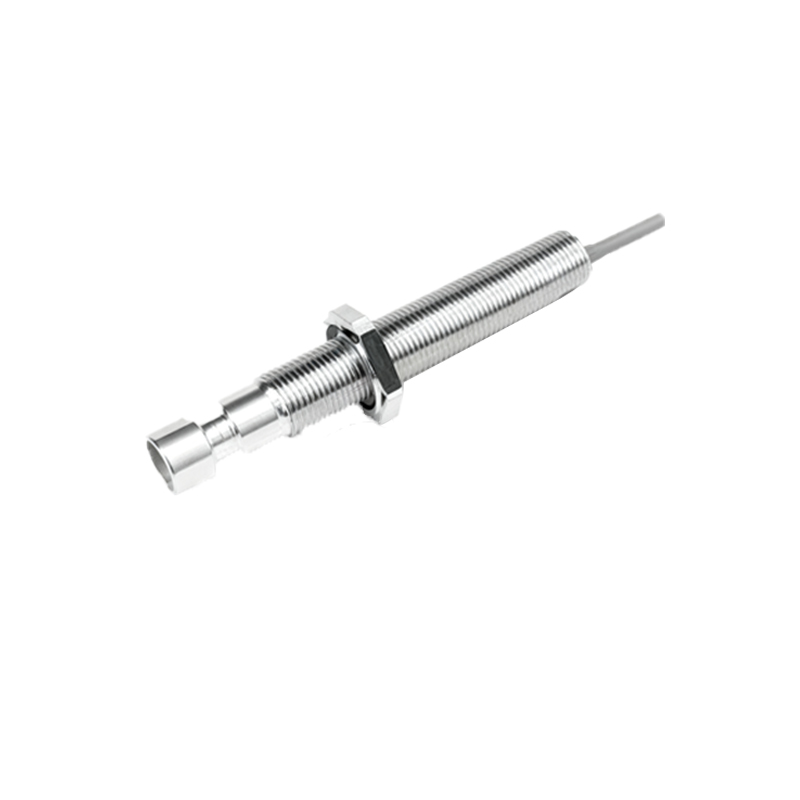
Installation and wiring practices significantly impact sensor performance. Engineers must adhere to specified mounting conditions, maintaining adequate clearance between adjacent sensors to prevent mutual interference. Embedding the sensor in metal (flush mounting) or using non-flush mounting affects the actual sensing range. Proper shielding and routing of the cable are necessary to minimize electrical noise from motors or frequency drives. It is a standard practice to include a protective device, such as a fuse or a surge suppressor, in the supply line to guard against voltage spikes and short circuits.
In practical applications, PSH sensors are ubiquitous. They are used for precise position detection of machine parts, end-of-travel limits on actuators, counting objects on conveyor belts, monitoring rotational speed by detecting gear teeth, and ensuring safety in automated systems by verifying the correct placement of workpieces. Their robustness allows them to function reliably in demanding settings like automotive assembly lines, packaging machinery, and material handling systems.
Troubleshooting common issues involves a systematic approach. Failure to detect a target can stem from an incorrect sensing distance, an unsuitable target material, or a misaligned sensor. Electrical problems may include incorrect voltage supply, wiring faults (wrong connection of brown/+, blue/-, black/output wires), or a damaged output due to overload. Utilizing a multimeter to check supply voltage and output switching status is a fundamental diagnostic step. Regular maintenance, though minimal, involves keeping the sensing face clean from debris, metal chips, or buildup that could attenuate the electromagnetic field.
In conclusion, the Proximity Switch Sensor PSH is a versatile and indispensable component in modern electrical engineering and automation. Its selection and implementation require a thorough analysis of the application's mechanical, electrical, and environmental constraints. By mastering its specifications—from sensing characteristics and housing types to output configurations and installation guidelines—engineers can leverage this technology to create systems that are not only highly reliable and precise but also contribute to increased productivity and operational safety. As sensor technology evolves, the integration of smart features in the PSH lineage continues to bridge the gap between basic detection and sophisticated, data-driven process control.