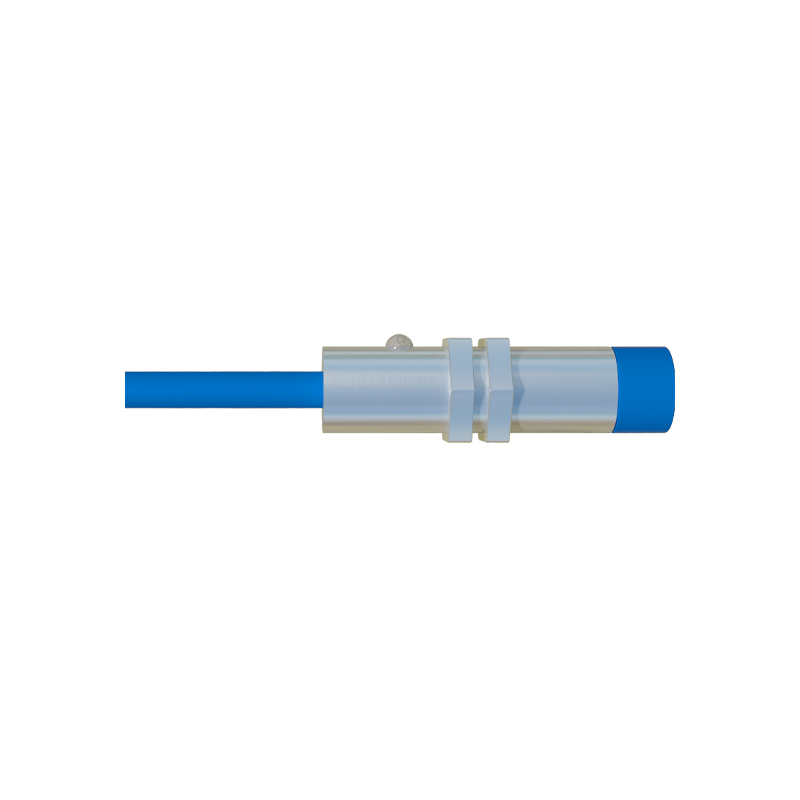
In the realm of industrial automation and electrical control systems, proximity sensors are indispensable components. While specifications like sensing range, output type, and housing material are frequently discussed, the physical length dimension of a proximity sensor is a critical, yet often overlooked, parameter. This dimension directly impacts the sensor's suitability for an application, affecting installation, performance, and maintenance. This article delves into the importance of proximity sensor length, its standardization, and key considerations for selection.
The overall length of a proximity sensor, typically measured from the sensing face to the end of the housing or connector, is a primary determinant of its mounting feasibility. In compact machinery or densely packed control panels, spatial constraints are severe. A sensor that is too long may simply not fit into the allotted space, leading to costly design revisions or the selection of a less optimal sensor type. Conversely, in applications where the target is recessed or located within a deep cavity, a sensor with an extended length may be necessary to position the sensing element at the correct distance from the target. The length must accommodate not just the sensor body but also the required clearance for wiring connections and any necessary mounting hardware, such as locknuts.
Industry standards play a significant role in defining common length dimensions, particularly for cylindrical threaded barrel sensors. For instance, M8, M12, M18, and M30 are standard thread sizes, and sensors within these families often follow predictable length ranges. An M12 inductive sensor might commonly be found in lengths from 40mm to 80mm. However, it is crucial to note that length is not strictly tied to thread diameter. Manufacturers offer variants within the same product series with different lengths to provide application flexibility. A "short-body" or "miniature" version of an M18 sensor will have a significantly reduced length compared to its standard counterpart, sacrificing perhaps some ruggedness or internal circuitry space for a smaller footprint.
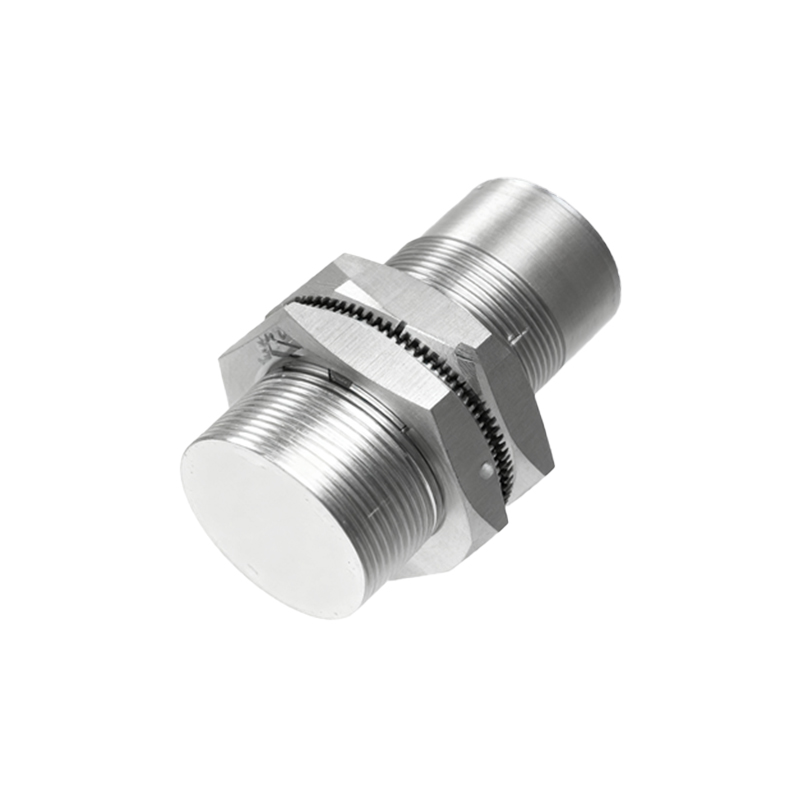
The internal construction dictates the minimum possible length. The sensing coil (for inductive types) or oscillator circuit, along with the necessary electronics for signal conditioning, amplification, and output switching, requires a certain volume. Advanced manufacturing techniques and surface-mount device (SMD) technology have enabled the production of remarkably short sensors without compromising performance. The length also influences the sensor's mechanical robustness. A longer, slender sensor might be more susceptible to bending moments or vibration-induced stress compared to a shorter, stubbier model, which is a vital consideration in high-vibration environments.
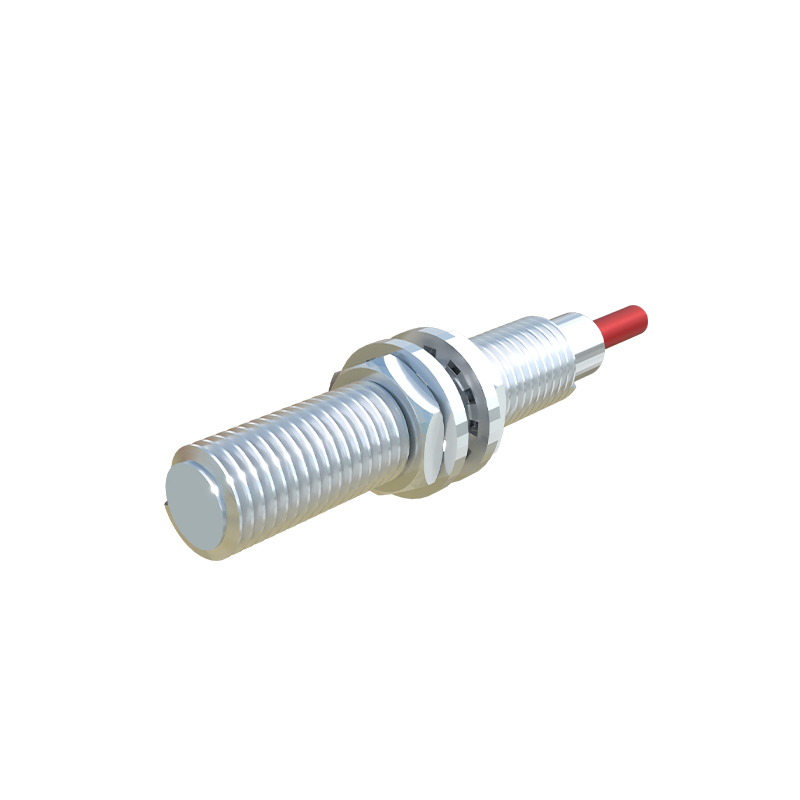
When selecting a sensor based on length, engineers must perform a comprehensive spatial analysis. This involves creating a detailed cross-section of the mounting location. Key measurements include: the available depth in the mounting hole or bracket; the distance from the mounting surface to the target object in both its near and far positions (considering tolerance stacks); and the space required behind the mounting surface for the connector or cable outlet. It is a best practice to maintain a "dead zone" behind the sensor, free from metallic objects, to prevent interference, especially for inductive sensors. The sensor's data sheet will specify this required clearance, which effectively adds to the functional installation length.
Furthermore, the length can impact performance in subtle ways. For cylindrical inductive sensors, the "shielded" or "flush-mountable" design allows installation in metal without affecting the sensing range, but these sensors typically have a slightly shorter sensing range than "unshielded" types of comparable length. The relationship between physical length and electrical characteristics is generally minimal, but in high-frequency switching applications, lead length from the sensor to the controller can affect signal integrity, making integrated connector styles (with defined length) preferable to long cable versions in some scenarios.
In conclusion, specifying the length dimension of a proximity sensor is far from a mere afterthought. It is a fundamental step in the sensor selection process that intersects with mechanical design, electrical integration, and operational reliability. By carefully evaluating the available space, target dynamics, standard product offerings, and manufacturer specifications, engineers can ensure the chosen sensor not only fits physically but also delivers optimal, long-term performance in its intended application. Always consult the manufacturer's detailed dimensional drawings and installation guidelines to avoid costly installation errors.