Proximity sensor probes are indispensable in today's industrial landscape, serving as the critical interface between physical objects and control systems. These devices detect the presence or absence of an object without physical contact, relying on electromagnetic fields, light, or sound. The non-contact nature of proximity probes eliminates mechanical wear, ensuring long-term reliability and reducing maintenance costs in demanding environments such as automotive assembly lines, packaging machinery, and robotic systems.
The operational principle varies by type. Inductive proximity sensors generate an oscillating electromagnetic field. When a metallic object enters this field, it induces eddy currents that dampen the oscillation, triggering a switch signal. These sensors are ideal for detecting ferrous and non-ferrous metals, with sensing ranges typically from a few millimeters to several centimeters. Capacitive sensors, conversely, detect both metallic and non-metallic materials by measuring changes in capacitance caused by an object altering the sensor's electrostatic field. This makes them suitable for liquid level detection, plastic granule monitoring, or glass positioning. Ultrasonic sensors emit high-frequency sound waves and calculate distance by measuring the time delay of the reflected echo, excelling in applications requiring precise distance measurement or detecting transparent objects.
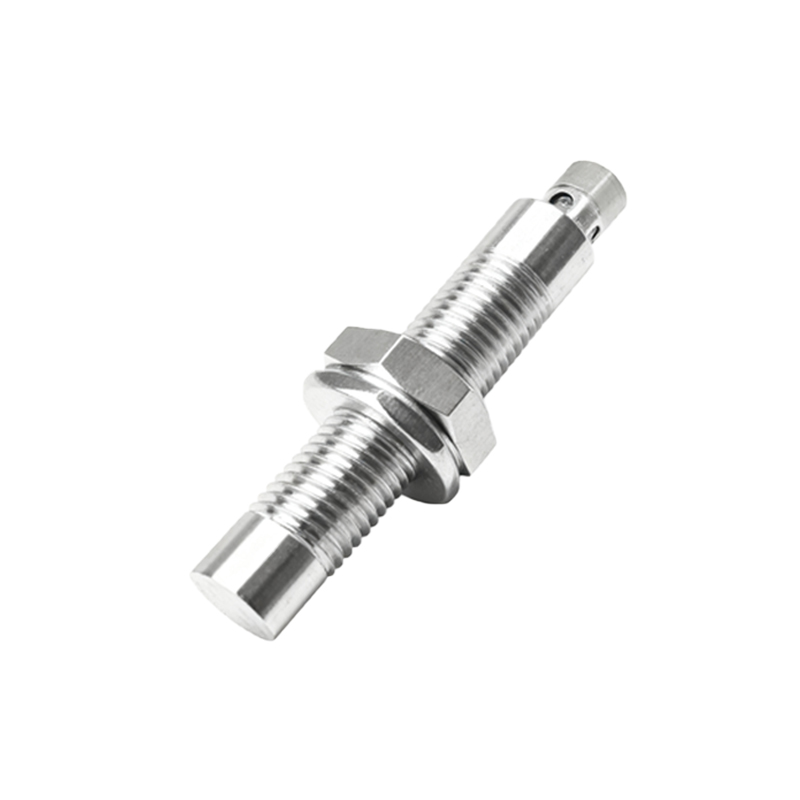
Selecting the appropriate proximity probe requires careful consideration of several factors. The sensing range must match the application's mechanical constraints, while environmental conditions like temperature extremes, humidity, dust, or chemical exposure dictate the required ingress protection (IP) rating and housing material. Output configuration is another key decision; options include NPN (sinking), PNP (sourcing), analog (4-20 mA or 0-10 V), or IO-Link for digital communication, which enables advanced diagnostics and parameterization. The target material's properties—size, shape, and composition—directly influence sensor choice and must be evaluated to avoid false triggers or missed detections.
Installation and alignment are paramount for optimal performance. Incorrect mounting, such as embedding a sensor flush in a metal surface without adequate clearance, can severely reduce its effective sensing range due to side interference. Proper shielding and grounding are essential in electrically noisy environments to prevent electromagnetic interference (EMI) from causing erratic behavior. Regular functional checks, including verifying the output signal under actual operating conditions and cleaning the sensing face from accumulated debris, form the cornerstone of a proactive maintenance strategy.
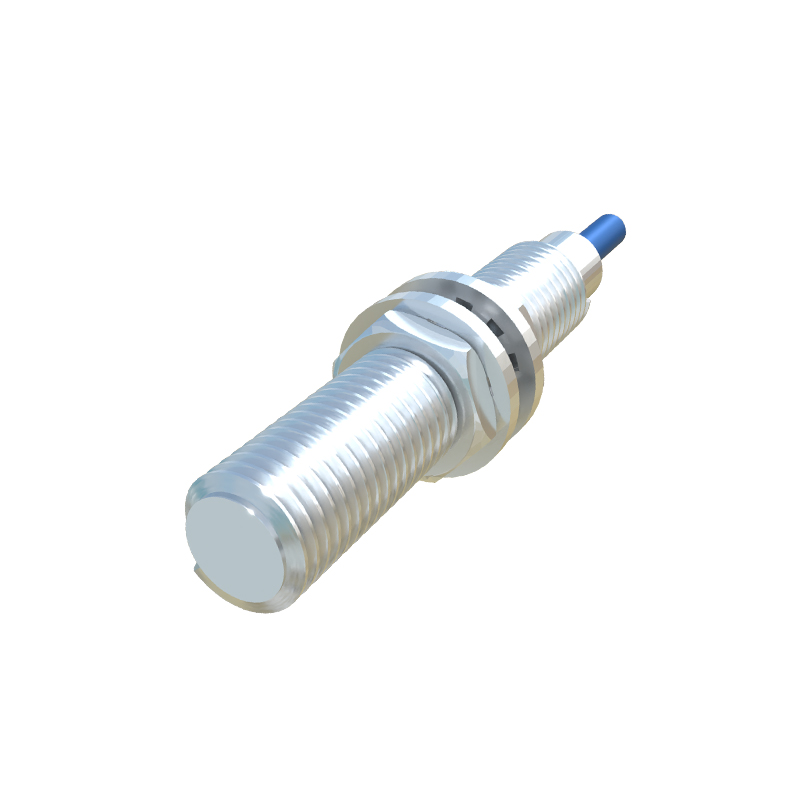
Emerging trends are enhancing proximity probe capabilities. The integration of IO-Link technology transforms simple sensors into smart devices, providing real-time status data, condition monitoring, and remote configuration. This facilitates predictive maintenance, minimizing unplanned downtime. Furthermore, miniaturization continues to advance, allowing for installation in increasingly compact machinery and equipment. Enhanced resistance to welding fields and high temperatures also expands their applicability in harsh processes like spot welding or foundries.
In conclusion, proximity sensor probes are foundational to industrial automation, offering reliable, non-contact detection that improves efficiency, safety, and product quality. A thorough understanding of their types, operating principles, and application requirements enables engineers to deploy these components effectively, ensuring robust and future-proof system design. As Industry 4.0 evolves, the intelligence embedded within these probes will play an even greater role in creating interconnected, data-driven manufacturing ecosystems.