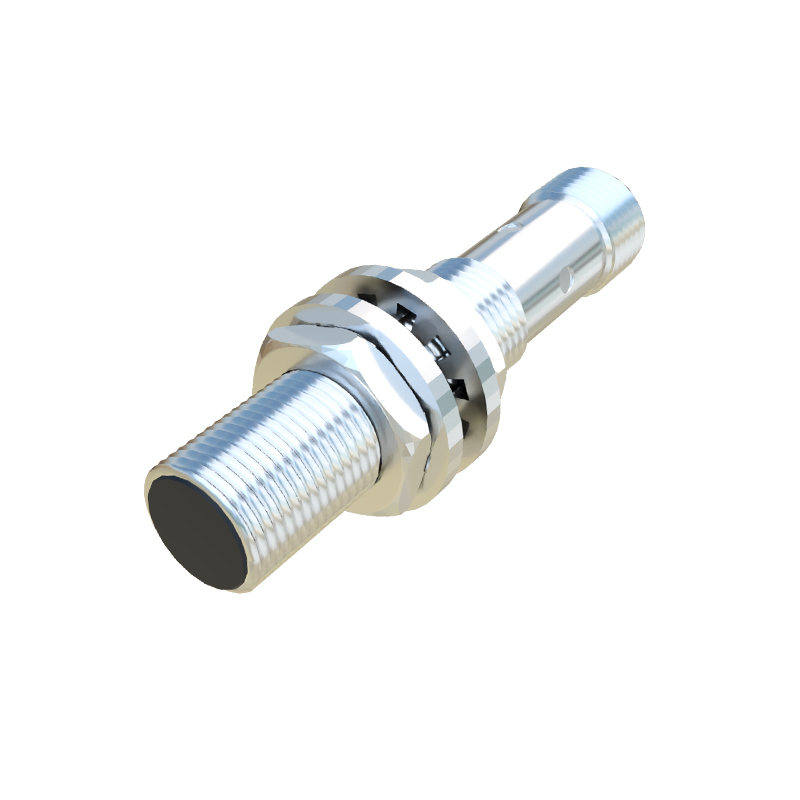
In the world of industrial automation and control systems, proximity sensors are indispensable components. They detect the presence or absence of objects without physical contact, ensuring reliable operation in harsh environments. Selecting the appropriate proximity sensor is critical for optimizing performance, enhancing safety, and reducing maintenance costs. This guide provides a comprehensive overview of key factors to consider when choosing a proximity sensor.
First, understand the different sensing technologies available. Inductive proximity sensors are ideal for detecting metallic objects, utilizing electromagnetic fields to sense ferrous and non-ferrous metals. They are robust, resistant to environmental contaminants like dust and moisture, and commonly used in manufacturing lines. Capacitive proximity sensors, on the other hand, can detect both metallic and non-metallic materials, including liquids and plastics, by measuring changes in capacitance. They are suitable for applications involving material level detection or packaging. Ultrasonic sensors use sound waves to detect objects, offering long-range sensing capabilities and effectiveness in challenging conditions like high temperatures or dirty environments. Finally, photoelectric sensors employ light beams to sense objects, providing high precision and versatility for diverse materials, but they may be affected by ambient light or transparent surfaces.
Next, evaluate the application requirements. Consider the sensing range, which defines the maximum distance at which the sensor can reliably detect an object. Ensure the selected sensor's range matches your operational needs to avoid false triggers or missed detections. The target material is another crucial factor; for instance, inductive sensors work only with metals, while capacitive or ultrasonic sensors handle a broader range. Environmental conditions such as temperature extremes, humidity, vibration, and exposure to chemicals or oils can impact sensor performance. Choose sensors with appropriate ingress protection (IP) ratings to withstand these conditions. Additionally, assess the output type required—whether digital (e.g., NPN or PNP) or analog—based on your control system's compatibility. Response time is vital for high-speed applications, as slower sensors might cause delays in automated processes.
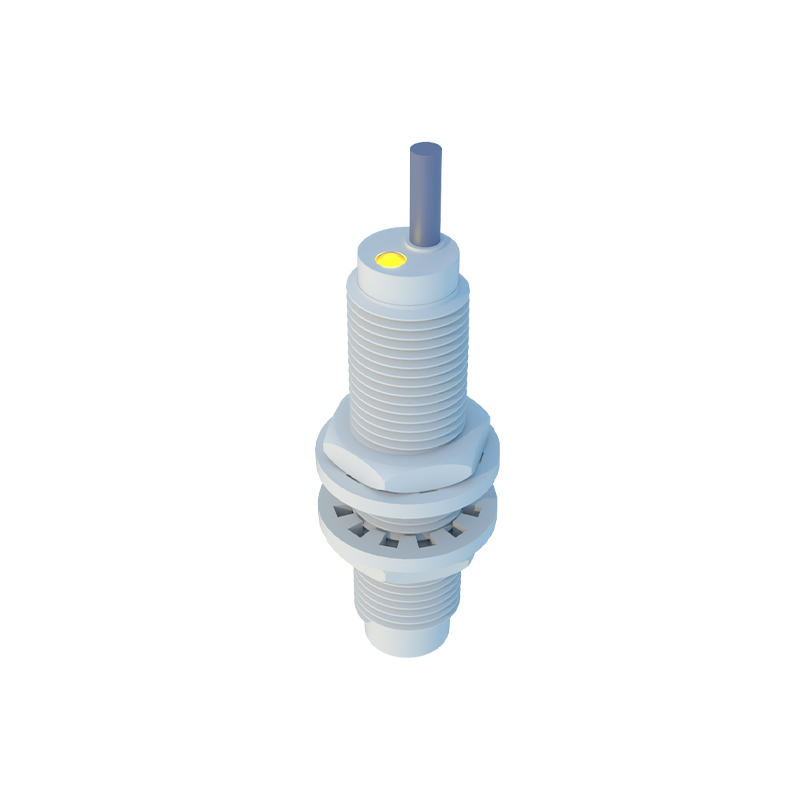
Installation and mounting constraints should not be overlooked. Proximity sensors come in various form factors, including cylindrical, rectangular, or ring-shaped designs. Ensure the sensor fits within the available space and aligns correctly with the target. Consider factors like flush or non-flush mounting, which affect sensing ranges and interference from surrounding metals. Wiring and connectivity options, such as pre-wired cables or quick-disconnect connectors, can simplify installation and maintenance.
Cost and reliability are also key considerations. While budget constraints may influence your choice, prioritize long-term value over initial price. High-quality sensors from reputable manufacturers often offer better durability, accuracy, and support, reducing downtime and replacement costs. Check for certifications like CE, UL, or IEC to ensure compliance with industry standards.
In summary, selecting the right proximity sensor involves a balanced analysis of technology, application needs, environmental factors, and cost. By carefully assessing these elements, engineers can enhance system efficiency and achieve optimal automation outcomes. Always consult technical datasheets and seek expert advice when in doubt to make an informed decision.