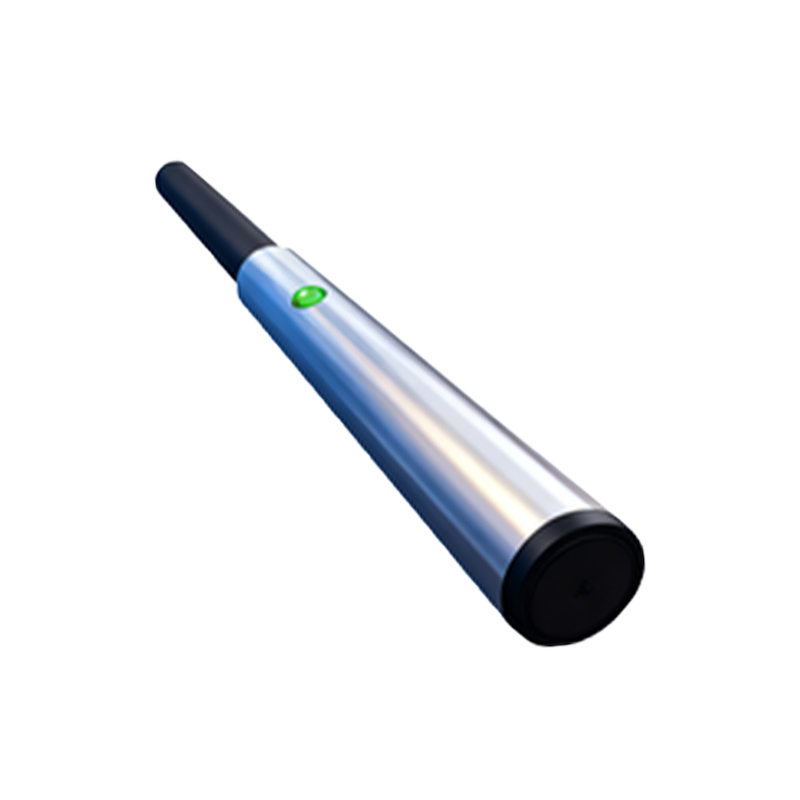
Optical grating proximity sensors represent a significant advancement in non-contact sensing technology, widely adopted across automation, robotics, and precision manufacturing industries. These sensors operate on the principle of light diffraction through a grating structure, enabling highly accurate detection of objects without physical interaction. Their core strength lies in the ability to measure minute displacements and detect objects with exceptional resolution, often down to micrometer levels. This precision is critical in applications such as semiconductor wafer alignment, CNC machine tool positioning, and automated assembly lines where even marginal errors can compromise product quality.
One of the primary advantages of optical grating proximity sensors is their immunity to environmental interference. Unlike inductive or capacitive sensors, they are unaffected by electromagnetic fields, dust, or oil mist—common challenges in industrial settings. The use of coherent light sources, typically lasers or LEDs, ensures consistent performance even in variable lighting conditions. Additionally, these sensors offer rapid response times, often in the microsecond range, facilitating real-time monitoring and control in high-speed processes. This speed, combined with non-contact operation, minimizes wear and tear, leading to reduced maintenance costs and extended operational lifespans.
Durability and versatility further underscore the robustness of optical grating sensors. Constructed with rugged materials like stainless steel housings and tempered glass optics, they withstand harsh environments involving vibrations, temperature fluctuations, and chemical exposure. Modern designs incorporate adaptive algorithms that compensate for potential drifts, ensuring long-term stability. For instance, in automotive manufacturing, these sensors reliably detect component presence on fast-moving conveyor belts, while in pharmaceuticals, they verify packaging integrity without contamination risks.
Integration with Industry 4.0 frameworks enhances their utility, as many models support digital interfaces like IO-Link, Ethernet/IP, or PROFINET. This connectivity allows for seamless data exchange with PLCs and SCADA systems, enabling predictive maintenance and process optimization. Users can remotely calibrate parameters, monitor sensor health, and log performance metrics, aligning with smart factory initiatives. Despite higher initial costs compared to traditional sensors, the total cost of ownership is often lower due to precision-driven waste reduction and downtime minimization.
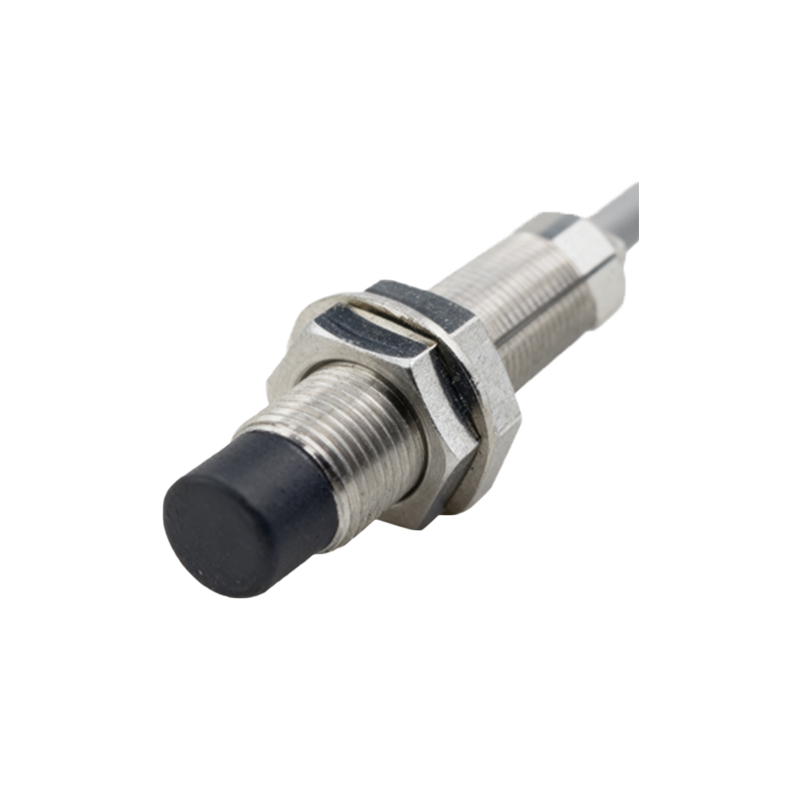
In summary, optical grating proximity sensors excel through unparalleled accuracy, environmental resilience, and adaptability to digital industrial ecosystems. As technology evolves, advancements in miniaturization and AI-enhanced signal processing promise even broader applications, from micro-robotics to renewable energy systems. For engineers seeking reliable, high-performance sensing solutions, these sensors offer a compelling blend of innovation and practicality, driving efficiency and quality in modern industrial operations.