Proximity sensors are pivotal components in modern industrial automation, enabling non-contact detection of objects within a specific range. Among various materials used in their construction and application, aluminum plays a significant role, particularly in inductive proximity sensors. This article delves into the principle behind aluminum's interaction with these sensors, exploring its electrical and physical properties that influence detection mechanisms.
Inductive proximity sensors operate based on electromagnetic induction. They generate an alternating magnetic field via a coil and oscillator circuit. When a metallic object enters this field, eddy currents are induced on the object's surface, causing a change in the sensor's oscillation amplitude. This alteration is detected and converted into an output signal, triggering a response in the control system. Aluminum, as a non-ferrous metal, interacts uniquely with this process due to its high electrical conductivity and non-magnetic nature.
The principle of aluminum detection hinges on its conductivity, which is approximately 61% that of copper (around 3.5 x 10^7 S/m). When aluminum enters the magnetic field of an inductive sensor, eddy currents form readily on its surface because of this conductivity. These currents create an opposing magnetic field, leading to energy loss in the sensor's coil and a subsequent drop in oscillation. The sensor's electronics monitor this change, allowing it to detect aluminum presence. However, compared to ferrous metals like iron or steel, aluminum induces a weaker response due to its lower magnetic permeability—close to that of air (relative permeability ~1). This necessitates careful calibration in sensor design to ensure reliable detection.
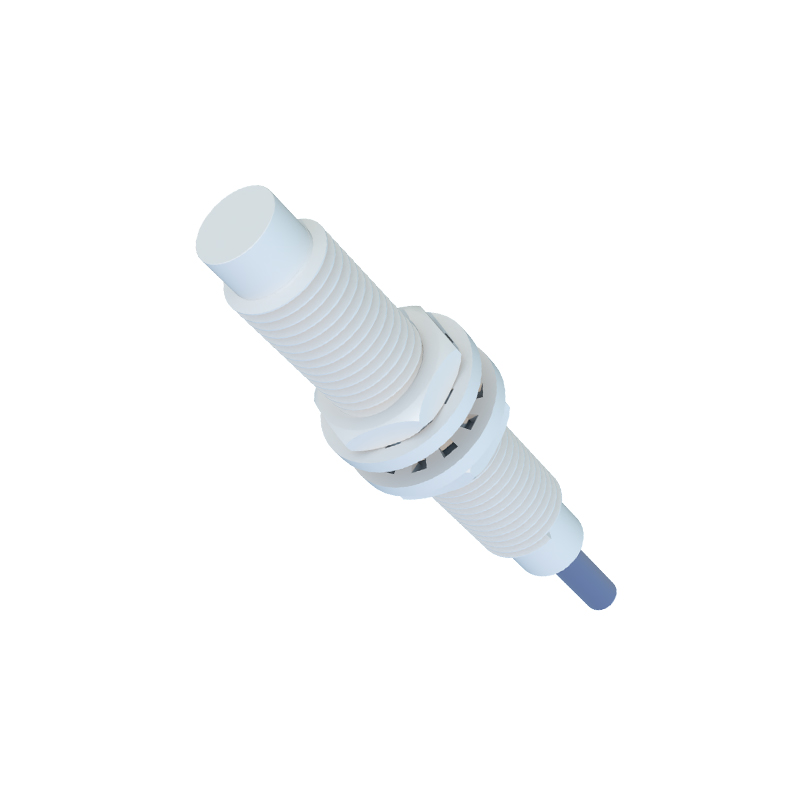
In practice, the detection range for aluminum is typically reduced by about 40-60% relative to steel, as specified in sensor datasheets. This "reduction factor" accounts for aluminum's material properties, requiring sensors to be positioned closer for accurate operation. Engineers must consider factors like aluminum alloy composition, surface condition, and temperature, which can affect conductivity and detection consistency. For instance, pure aluminum offers higher conductivity than some alloys, potentially enhancing sensor response.
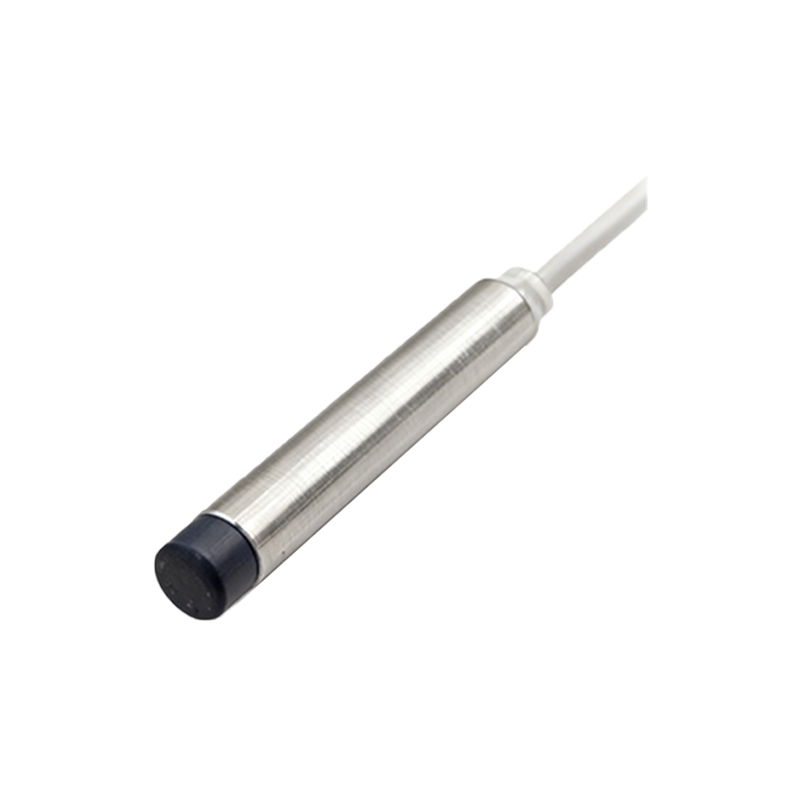
Applications of aluminum in proximity sensing are widespread across industries. In automotive manufacturing, sensors detect aluminum components in assembly lines, ensuring precise positioning. In packaging, they monitor aluminum foil or cans for quality control. Aerospace sectors rely on these sensors for non-destructive testing of aluminum structures. The non-contact nature prevents wear and contamination, crucial in sensitive environments.
To optimize performance with aluminum, sensor selection is key. Standard inductive sensors may require adjustments, such as increased sensitivity or specialized models designed for non-ferrous metals. Factors like operating frequency and shielding also play roles; higher frequencies can improve detection of thin aluminum sheets by increasing eddy current density. Additionally, environmental considerations, such as interference from other metals or electrical noise, must be mitigated through proper installation and shielding.
In summary, the principle of aluminum in proximity sensors revolves around electromagnetic induction and eddy current generation. Its high conductivity enables detection, while its non-magnetic nature poses challenges that are addressed through engineering solutions. As industries advance, understanding these nuances ensures efficient automation, with aluminum remaining a critical material in sensor applications. Future trends may include smart sensors with adaptive algorithms to dynamically adjust for material variations, enhancing reliability in diverse settings.