In the rapidly evolving landscape of industrial automation, miniature proximity sensors have become indispensable components, enabling precise, non-contact detection in space-constrained environments. Their performance, reliability, and safety are paramount, governed by a comprehensive framework of national standards. This article delves into the core requirements outlined in these standards, providing a technical overview for engineers and procurement specialists.
The primary standard governing these devices is often aligned with international IEC (International Electrotechnical Commission) norms, adapted into national frameworks such as those from ANSI, DIN, or specific national standardization bodies. The requirements can be broadly categorized into several key areas.
First and foremost are the Electrical Characteristics and Performance Parameters. Standards meticulously define operating voltage ranges, typically spanning from 10-30V DC or wider for AC/DC universal types. The rated operating current, leakage current in the OFF state, and voltage drop in the ON state are strictly specified to ensure compatibility with programmable logic controllers (PLCs) and other control systems. Key performance metrics include the sensing distance (Sn). This nominal sensing distance is tested under defined conditions (e.g., a standard target) and has permissible tolerances, usually -10%. Repeat accuracy, a critical factor for precision applications, is also defined, often as a percentage of the sensing distance. Response frequency, indicating how quickly the sensor can detect objects per second, is another standardized parameter crucial for high-speed automation.
Secondly, Environmental and Mechanical Durability requirements are rigorous. Enclosure ratings, primarily per the IP (Ingress Protection) code, are mandated. For industrial use, a minimum of IP67 is common, ensuring protection against dust ingress and temporary immersion in water. Resistance to vibration and shock is tested according to specified amplitudes, frequencies, and durations. Operating and storage temperature ranges are clearly defined, ensuring functionality in harsh conditions from sub-zero cold to high ambient heat near machinery. Furthermore, resistance to chemicals like oils, coolants, and solvents is often evaluated based on material composition of the housing and sensing face.
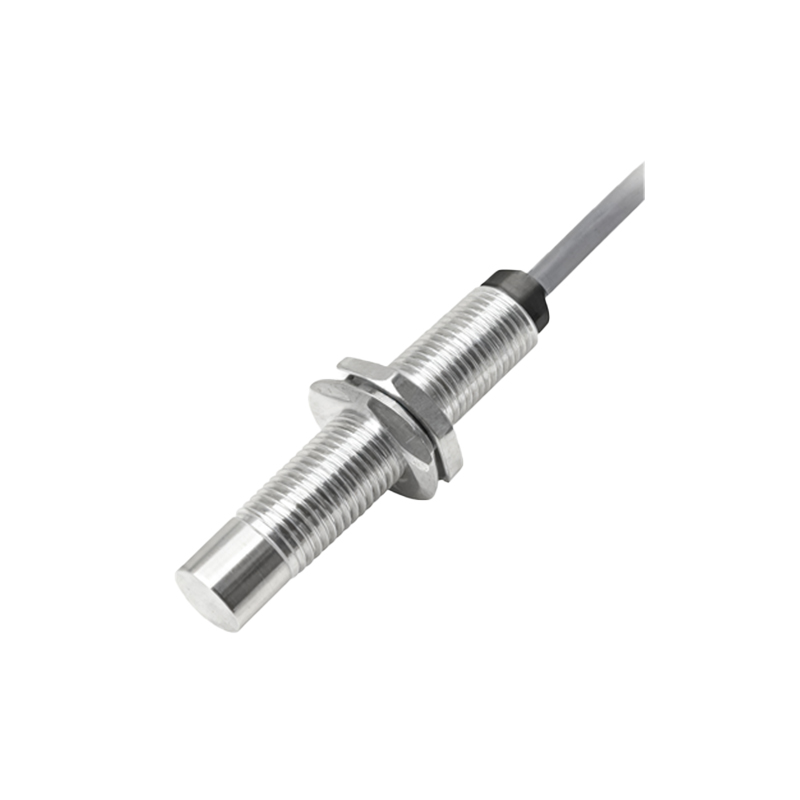
Electrical Safety and Electromagnetic Compatibility (EMC) form a critical pillar. Standards enforce protection against reverse polarity, short-circuit protection, and overload protection to prevent damage to the sensor or the connected system. EMC requirements are stringent, ensuring the sensor neither emits excessive electromagnetic interference nor is susceptible to interference from other equipment. Tests include immunity to electrostatic discharge (ESD), burst transients, surge voltages, and radiated electromagnetic fields. Compliance ensures stable operation in electrically noisy industrial environments.
Output Configuration and Wiring are standardized for interchangeability and safety. Common output types include NPN (sinking) and PNP (sourcing) transistor outputs, as well as analog (current or voltage) and IO-Link versions for smart sensors. Wiring diagrams, color codes for cables (e.g., brown for +V, blue for 0V, black for output), and connection types (e.g., M8 or M12 connectors) are specified to prevent miswiring and facilitate maintenance.
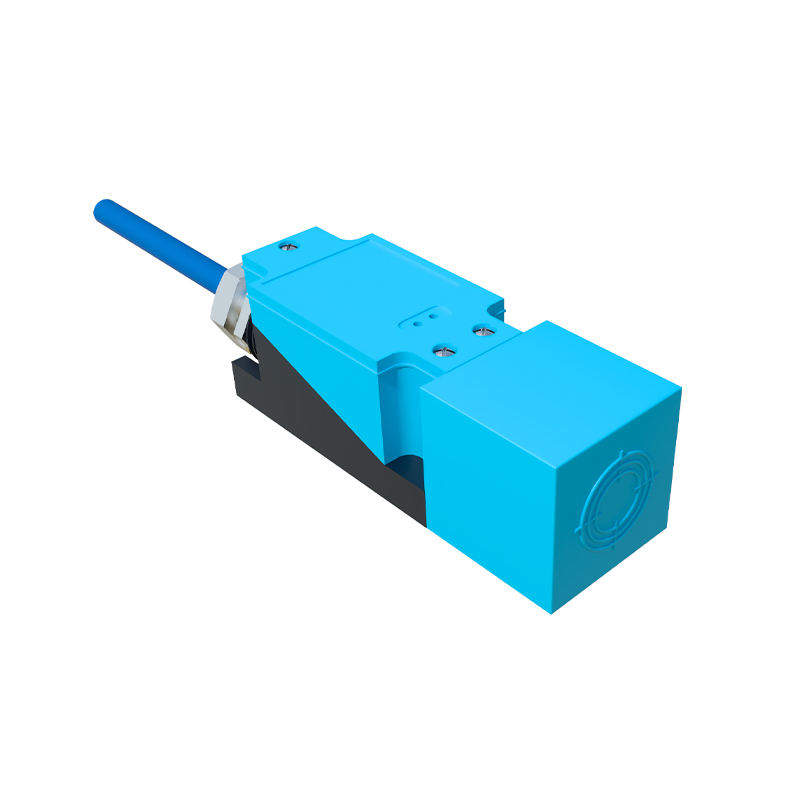
Material and Construction standards, while sometimes less explicit, imply requirements for longevity. The sensing face material must be robust, often using PBT or metal for the housing. For inductive sensors detecting metals, the standard defines the "factor" for different metals (e.g., steel = 1.0, stainless steel = 0.7-0.8, aluminum = 0.3-0.4), which affects the effective sensing range.

Finally, Marking and Documentation are compulsory. Each sensor must be legibly marked with the manufacturer's name or trademark, type designation, electrical ratings (voltage, current), output type, protection class (IP), and relevant certification marks (e.g., CE, UL). The accompanying technical data sheet must provide all parameters as per the standard test conditions.
Adherence to these national standards is not merely a regulatory formality. It guarantees interoperability, enhances system safety by preventing electrical hazards and malfunctions, reduces downtime through proven durability, and simplifies the engineering and procurement process. When selecting a miniature proximity sensor, verifying its compliance with the relevant national standards (and underlying international norms) is the first and most critical step in ensuring a reliable and safe automation solution. Engineers must consult the latest official standard documents for project-specific, detailed specifications and test procedures.