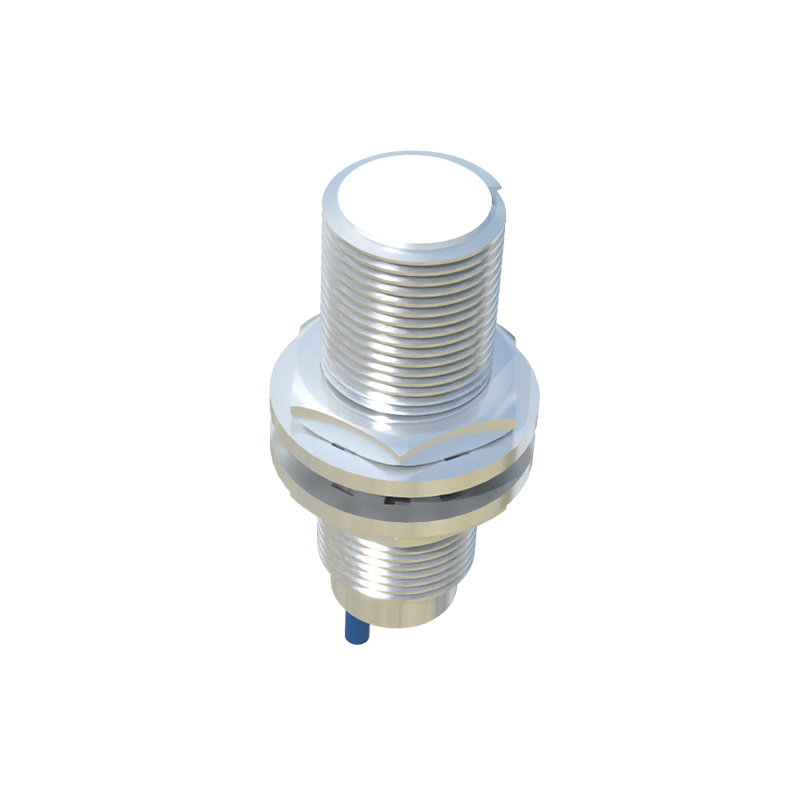
Proximity sensors are indispensable components in modern industrial automation, providing non-contact detection of objects within their sensing range. The signals generated by these sensors are critical for interfacing with control systems such as PLCs (Programmable Logic Controllers), drives, and robotic controllers. Understanding the various signal types is essential for proper system integration, reliability, and performance optimization. This article details the primary signal outputs from industrial proximity sensors and their typical applications.
The most fundamental distinction in proximity sensor outputs is between digital (discrete) and analog signals. Digital signals indicate a simple on/off state—presence or absence of a target. They are the workhorses of industrial counting, positioning, and limit detection. Within digital outputs, several technologies exist. The NPN (sourcing) and PNP (sourcing) configurations are prevalent 3-wire DC sensors. An NPN sensor switches the negative (common) line to the load, common in Asian and European designs. A PNP sensor switches the positive voltage line to the load, often found in North American applications. Selecting the correct type (NPN vs. PNP) is crucial for compatibility with the controller's input module. Another key digital type is the 2-wire AC/DC sensor. It wires in series with the load, similar to a mechanical switch, simplifying installation but requiring careful consideration of voltage drop and leakage current. Finally, the Namur sensor is a specialized 2-wire intrinsically safe design used in hazardous areas. It outputs a small current signal (typically 1-2 mA for "on" and below 0.1 mA for "off") to a separate amplifier/barrier, which then provides a standard switch signal to the control system, preventing ignition risks.
Analog signals provide a continuous value proportional to the distance between the sensor and the target. This enables precise measurement and control beyond mere detection. The most common analog formats are voltage (e.g., 0-10V) and current (e.g., 4-20 mA). A 0-10V output offers a simple, direct voltage proportional to distance. However, it can be susceptible to voltage drop over long wire runs. The 4-20 mA current loop is the industrial standard for analog transmission due to its superior noise immunity and ability to carry signals over very long distances. The "live zero" of 4 mA allows the system to distinguish between a valid low signal and a broken wire (0 mA). Analog sensors are vital for applications like monitoring roll diameters, controlling tension, or precisely positioning objects.
Beyond these, IO-Link is revolutionizing sensor connectivity as a point-to-point serial communication protocol. It is not a fieldbus but a smart digital interface that transmits not just a switched state but detailed digital data. An IO-Link sensor can send its measured distance value, internal temperature, operating hours, and diagnostic warnings. It also allows for remote parameterization—changing sensing ranges or output behavior from the PLC without touching the sensor. This enables predictive maintenance, advanced process control, and greatly simplified device replacement.
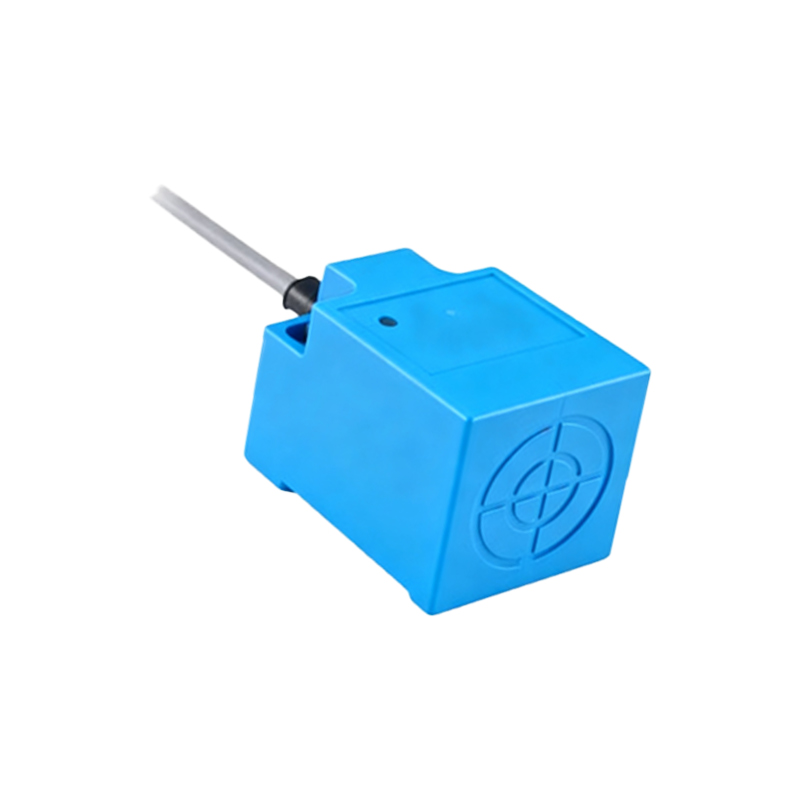
Choosing the correct signal depends on the application. For simple object detection at a fixed point, a robust 3-wire DC PNP or NPN sensor is typical. For corrosive environments or hazardous locations, a 2-wire or Namur sensor with appropriate barriers is mandatory. When continuous distance measurement is needed, such as in thickness monitoring or fill level control, an analog 4-20 mA sensor is the preferred choice. For smart factory applications requiring data richness, condition monitoring, and flexible setup, IO-Link is increasingly becoming the standard.
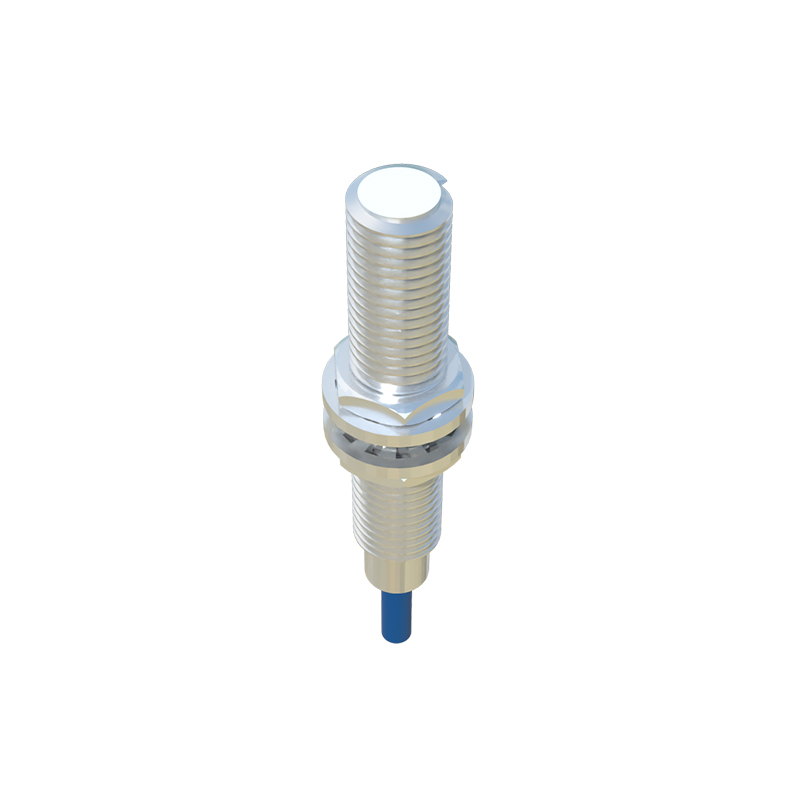
In summary, the signal from a proximity sensor—be it digital NPN/PNP, analog current/voltage, or smart IO-Link data—forms the essential link between physical detection and control logic. Proper selection ensures system resilience, accuracy, and alignment with broader Industrial IoT (IIoT) strategies, forming the backbone of efficient and intelligent automation.