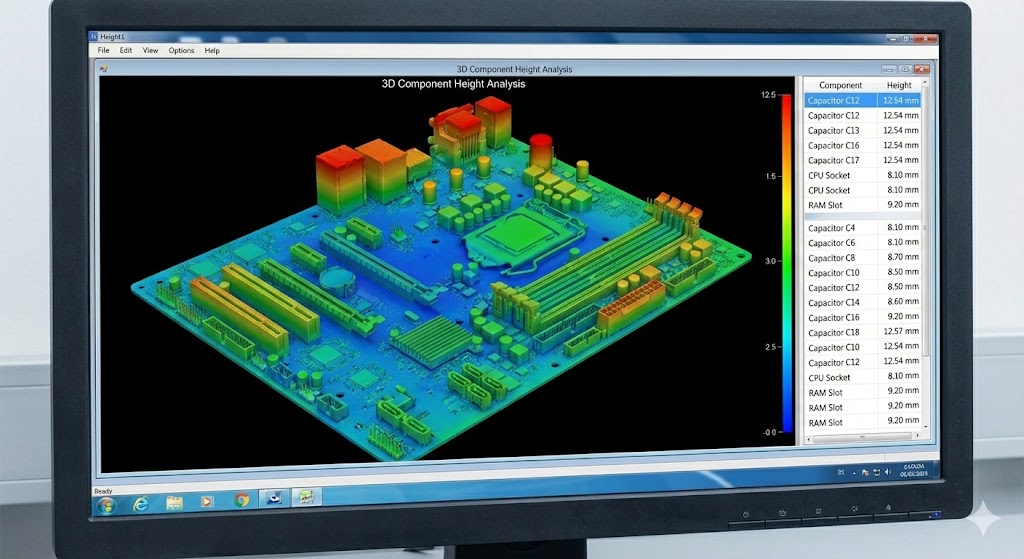
In the world of industrial automation and precision measurement, line scan laser sensors have emerged as indispensable tools. Unlike point sensors that measure a single spot, these devices project a thin, fan-shaped laser line onto a target surface. A high-resolution camera or receiver then captures the profile of this line. Any deviation in the line's shape—caused by height variations, surface defects, or dimensional changes—is analyzed to extract precise, two-dimensional profile data. This fundamental principle enables non-contact, high-speed inspection across a continuous line, making them superior for many applications.
The core technology hinges on triangulation. The laser emitter projects the line at a known angle. The reflected light from the object's surface is focused onto a sensitive imaging sensor, typically a CMOS or CCD array. The position of the reflected light on the sensor shifts proportionally to the distance or height of the object's surface point. Sophisticated onboard processors analyze this shift for every point along the laser line, constructing a detailed cross-sectional profile thousands of times per second. Key performance specifications include measurement range, resolution (often in microns), scanning frequency (or profile rate), and the length of the laser line itself.
The applications for line scan laser sensors are vast and transformative. In manufacturing, they are the backbone of inline quality control. They perform precise 2D profile measurement of extruded plastics, rubber seals, or metal rails, ensuring consistent dimensions in real-time. They excel at weld seam inspection, accurately measuring bead height, width, and detecting underfill or overflow. On assembly lines, they verify the presence, placement, and coplanarity of components on printed circuit boards (PCBs) with incredible speed. Another critical use is surface defect detection. By analyzing the continuity and uniformity of the reflected laser line, these sensors can identify scratches, dents, bumps, or voids on materials like painted automotive panels, rolled metal sheets, or glass substrates that might be invisible to traditional area-scan cameras.
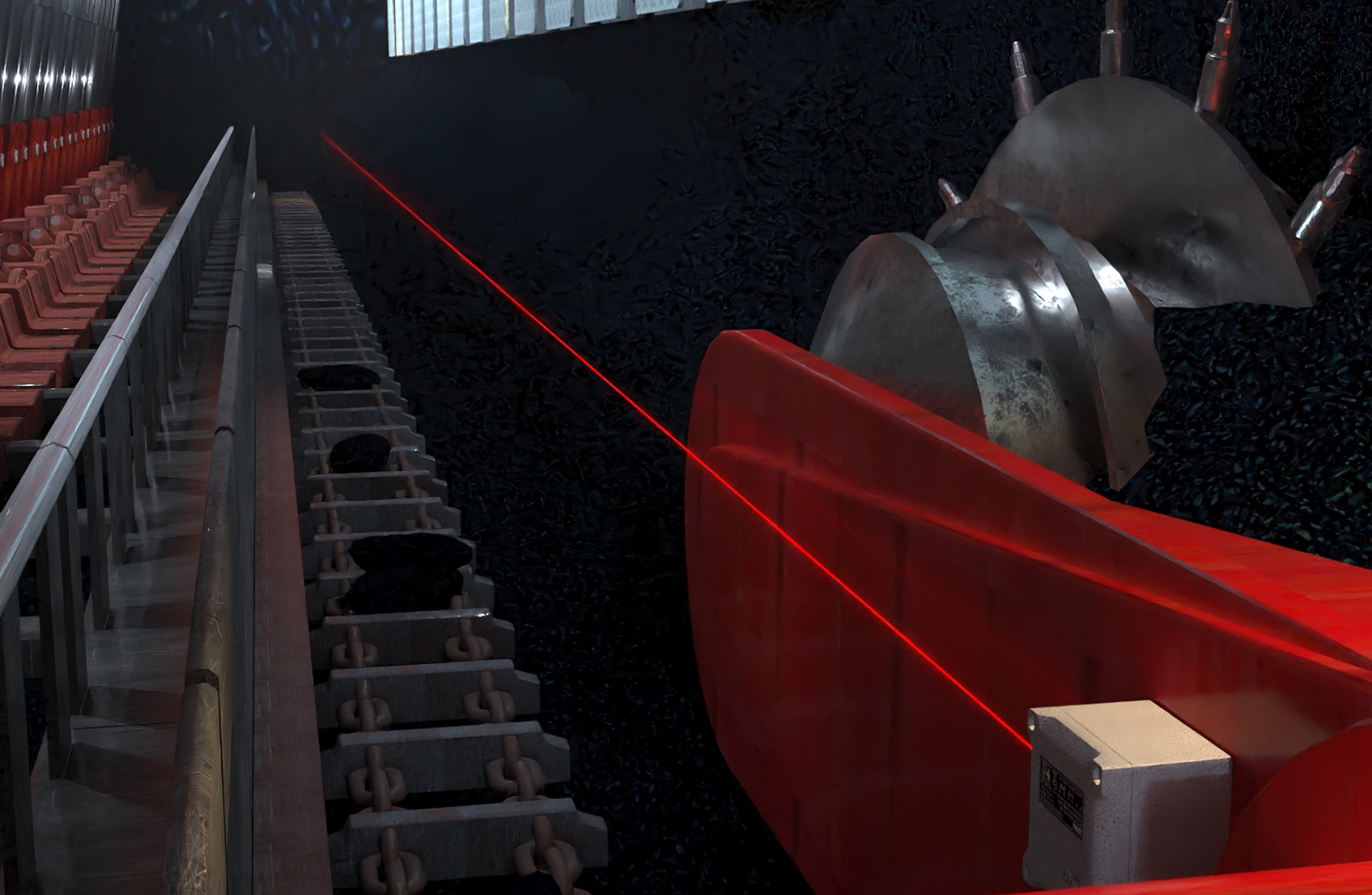
Beyond factory floors, they play vital roles in logistics for parcel dimensioning and volume calculation, in forestry for log scanning, and in reverse engineering for capturing object contours. Their ability to generate dense, accurate profile data makes them essential for robotics, providing guidance for bin picking or precise path following.
Selecting the right line scan laser sensor requires careful consideration of several factors. First, define the application's primary need: is it for precise height measurement, defect detection, or profile comparison? Next, consider the environmental conditions. Factors like ambient light, dust, steam, or vibration can affect performance; models with robust housings, specific laser wavelengths (like blue lasers for better performance on organic materials or in bright ambient light), and integrated filters are available for harsh settings. The required resolution and measurement range are inversely related; higher resolution typically comes with a smaller range. The scanning frequency must be matched to the production line speed to ensure sufficient data density. Finally, evaluate the output interface and software compatibility. Modern sensors offer Ethernet-based protocols (like EtherNet/IP or PROFINET) for easy integration into industrial networks and provide powerful, user-friendly software suites for setup, data visualization, and analysis.

Integration and calibration are crucial steps. Proper mechanical mounting to minimize vibration, optimal alignment of the laser line relative to the object's movement, and correct lighting setup are paramount. Calibration against a known standard ensures measurement traceability and accuracy. Regular maintenance, primarily keeping the laser window clean, preserves long-term performance.
In conclusion, line scan laser sensors represent a powerful convergence of optics, electronics, and software. They deliver a unique combination of speed, precision, and non-contact operation, solving complex measurement and inspection challenges that other sensor types cannot address. As industries continue to push for higher quality, reduced waste, and increased automation, the role of these versatile sensors will only expand, driving efficiency and innovation across countless sectors.