In the world of industrial automation, robotics, and precision measurement, laser sensors have become indispensable tools. Their ability to provide non-contact, high-accuracy detection and measurement makes them a preferred choice across numerous sectors. However, navigating the market for these devices can be daunting, especially when confronted with a wide spectrum of laser sensor prices. Understanding what drives these costs is crucial for making an informed and cost-effective purchase.
The price of a laser sensor is not a single figure but a reflection of its underlying technology, performance specifications, and build quality. At the most basic level, sensor type is a primary differentiator. Common varieties include laser distance sensors, laser displacement sensors, laser photoelectric sensors (through-beam, retro-reflective, diffuse), and laser profile scanners. A simple diffuse photoelectric sensor for basic object detection will naturally command a much lower price than a high-speed, sub-micron resolution displacement sensor used in semiconductor manufacturing.

Performance parameters directly correlate with cost. Key specifications to consider include measurement range, accuracy, resolution, and response speed. A sensor with a 100mm range and ±0.1% accuracy will be less expensive than one offering a 500mm range with ±0.01% accuracy. Similarly, a sensor with a 50µs response time is engineered for higher performance and thus carries a higher price tag than one with a 10ms response. The laser class (e.g., Class 1, Class 2) and wavelength also influence both price and application suitability, with specialized wavelengths for specific materials costing more.
Environmental robustness is another significant cost factor. Sensors designed for harsh industrial environments feature ingress protection (IP) ratings like IP67 or IP69K, resistant housings (stainless steel), and wide operating temperature ranges. These ruggedized models are priced higher than their standard counterparts intended for clean, laboratory settings. Additional features such as integrated intelligence (IO-Link, advanced teach-in functions, programmable logic), analog/digital outputs, and brand reputation (with associated support and warranty) further add to the overall value and price.
So, what are the actual price ranges? Entry-level laser photoelectric sensors for simple presence detection can start from as low as $50 to $150. Mid-range laser distance sensors with good accuracy for general industrial use, such as in packaging or material handling, typically fall between $200 and $800. The premium tier, which includes high-accuracy displacement sensors, profile scanners, and specialized models for scientific R&D or extreme conditions, can range from $1,000 to well over $5,000.
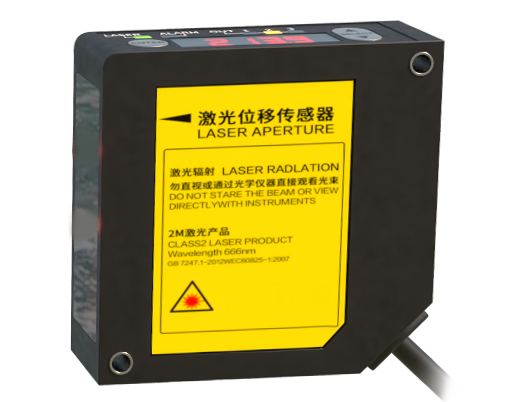
To ensure you get the best value, follow a strategic buying approach. First, meticulously define your application requirements: necessary accuracy, range, speed, and environmental conditions. Avoid over-specifying, as paying for unneeded ultra-high precision is a common budget drain. Second, consider the total cost of ownership. A slightly more expensive sensor from a reputable supplier often includes better technical support, reliability, and longer lifespan, reducing downtime and replacement costs. Third, request detailed quotes from multiple suppliers, ensuring they include all necessary accessories (mounting brackets, cables) and clarify warranty terms. Finally, explore both established global brands and reputable specialized manufacturers, as the latter may offer competitive pricing for specific application niches.
In conclusion, the quotation for a laser sensor is a composite of its technological capabilities and durability. By thoroughly analyzing your technical needs and evaluating the long-term value beyond the initial price tag, you can select a sensor that delivers optimal performance and reliability, ensuring a sound investment for your operational efficiency and precision goals.
