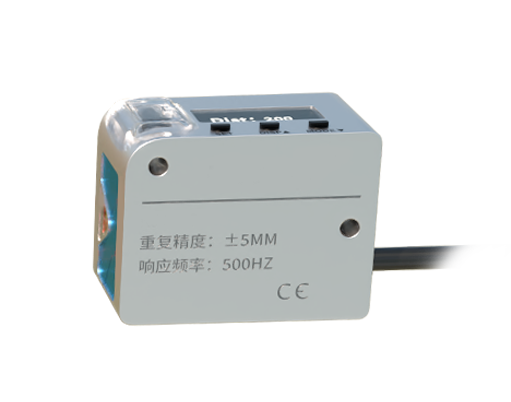
In the demanding environment of modern steel production and metal processing, precise temperature control and slab tracking within reheating furnaces are paramount for product quality, energy efficiency, and operational safety. Traditional methods, such as thermocouples and optical pyrometers, have served the industry for decades. However, the advent and integration of laser sensor technology have ushered in a new era of non-contact, high-precision measurement, fundamentally enhancing furnace control strategies. This article delves into the operational principles, key applications, and significant benefits of laser sensors specifically designed for slab monitoring in heating furnaces.
At its core, a laser sensor for this application operates on the principle of time-of-flight (ToF) or phase-shift measurement. The sensor emits a modulated laser beam towards the target—in this case, a slab within the furnace. The beam reflects off the slab's surface and returns to the sensor's detector. By precisely measuring the time delay or phase difference between the emitted and reflected signals, the sensor calculates the exact distance to the slab with remarkable accuracy, often within a few millimeters. This distance measurement is critical for several furnace functions. Unlike contact methods, lasers are unaffected by the extreme radiant heat inside the furnace, as the measurement is taken from outside, typically through a dedicated sighting port with a protective purge system to keep the optical window clean.
The primary application of slab laser sensors is precise positioning and tracking. As slabs move on skid rails through different zones of a walking beam or pusher-type furnace, knowing their exact position is essential for optimizing heating profiles. Laser sensors mounted at strategic points can detect the presence, absence, and precise location of each slab. This real-time data feeds into the furnace's Level 2 automation system, enabling dynamic control of zone temperatures and fuel inputs based on the actual slab position rather than estimated transit times. This prevents both under-heating, which can cause rolling defects, and over-heating, which wastes energy and can scale the slab excessively.
Beyond mere presence detection, advanced laser profiling systems can provide a two-dimensional contour map of the slab. By scanning a laser line across the slab's surface, these sensors can detect slab bending (camber), warping, or surface irregularities that might have occurred during casting or prior processing. Early detection of such deformities allows operators to take corrective actions or flag the slab for further inspection, preventing potential damage to furnace equipment or downstream rolling mills.
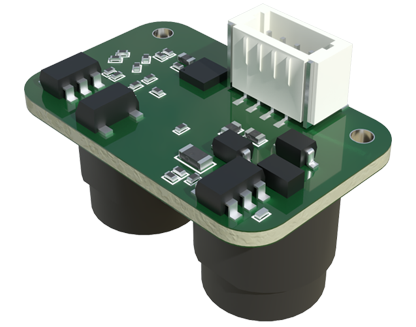
Another crucial, though more challenging, application is non-contact temperature measurement. While distinct from distance sensors, laser-based pyrometers are a related technology. They measure the thermal radiation emitted by the slab. Modern systems often combine a distance-measuring laser with a pyrometer. The distance measurement is used to correct the pyrometer's reading, as the received radiation intensity follows the inverse-square law with distance. This compensation drastically improves temperature measurement accuracy, which is vital for achieving the target slab discharge temperature for optimal rolling conditions.
The benefits of implementing laser sensor systems in heating furnaces are substantial. First and foremost is the enhancement of product quality uniformity. Consistent and accurate heating, driven by precise slab tracking, ensures every slab reaches the rolling mill at the correct temperature profile throughout its volume. This leads to improved mechanical properties and surface quality of the final rolled product. Secondly, energy efficiency sees significant gains. By eliminating guesswork and enabling "slab-by-slab" control, furnaces can reduce fuel consumption by minimizing unnecessary heating in zones where slabs are not present and by preventing overheating. This directly lowers production costs and reduces the carbon footprint of the operation.
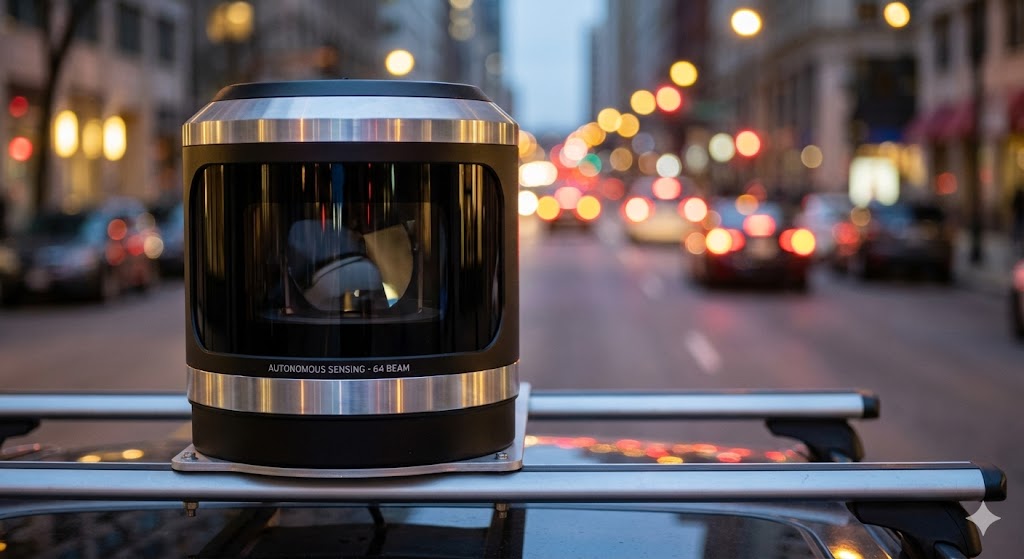
Operational safety and equipment protection are also enhanced. Accurate slab positioning prevents collisions and misalignment that could damage the skid rails or walking beam mechanism. Furthermore, reducing the need for manual inspections near hot furnace zones minimizes worker exposure to hazardous conditions. From a maintenance perspective, laser sensors are generally robust, but their non-contact nature means they suffer less wear and tear compared to mechanical probes or contacts exposed to the furnace environment.
The industry continues to see advancements in this field. Integration with Industrial Internet of Things (IIoT) platforms is a key trend. Sensor data is increasingly streamed to cloud-based analytics systems where machine learning algorithms can predict refractory wear, optimize heating cycles further, and provide predictive maintenance alerts for the sensors themselves. Additionally, the development of more robust laser diodes and improved signal processing algorithms allows sensors to perform reliably even in the presence of heavy flame, dust, or steam inside the furnace—traditional challenges for optical systems.
In conclusion, laser sensors have evolved from novel instruments to indispensable components in the modern heating furnace control suite. Their ability to provide precise, reliable, and non-contact measurements of slab position and contour directly translates to superior product quality, notable energy savings, and safer operations. As steelmakers pursue ever-greater efficiency and quality standards, the role of advanced laser sensing technology will only become more central, driving continuous improvement in one of the industry's most energy-intensive processes.