Laser emission sensors have become integral components across numerous industries, revolutionizing how we measure, detect, and interact with the physical world. These devices operate by emitting focused beams of light to gather precise data about objects or environments, offering unparalleled accuracy and reliability. The core principle involves projecting a laser beam onto a target and analyzing the reflected light to determine characteristics such as distance, presence, thickness, or even chemical composition.
In industrial automation, laser sensors are indispensable for quality control and process optimization. Manufacturing lines utilize them for non-contact measurement of dimensions, ensuring products meet strict specifications without physical wear on tools. They perform high-speed inspections, detecting minute defects in electronics, automotive parts, or pharmaceuticals that human eyes might miss. Additionally, in robotics, laser sensors provide real-time feedback for positioning and navigation, enabling autonomous guided vehicles (AGVs) to move safely through dynamic environments by detecting obstacles and mapping surroundings.
The logistics and warehousing sector heavily relies on laser sensors for efficient material handling. Barcode scanners employing laser technology swiftly read codes from various angles and distances, accelerating inventory management and package sorting. In automated storage systems, these sensors ensure precise alignment of goods, reducing errors and operational downtime. Furthermore, safety systems in warehouses use laser curtains to create invisible barriers, instantly halting machinery when breached, thereby protecting workers from accidents.
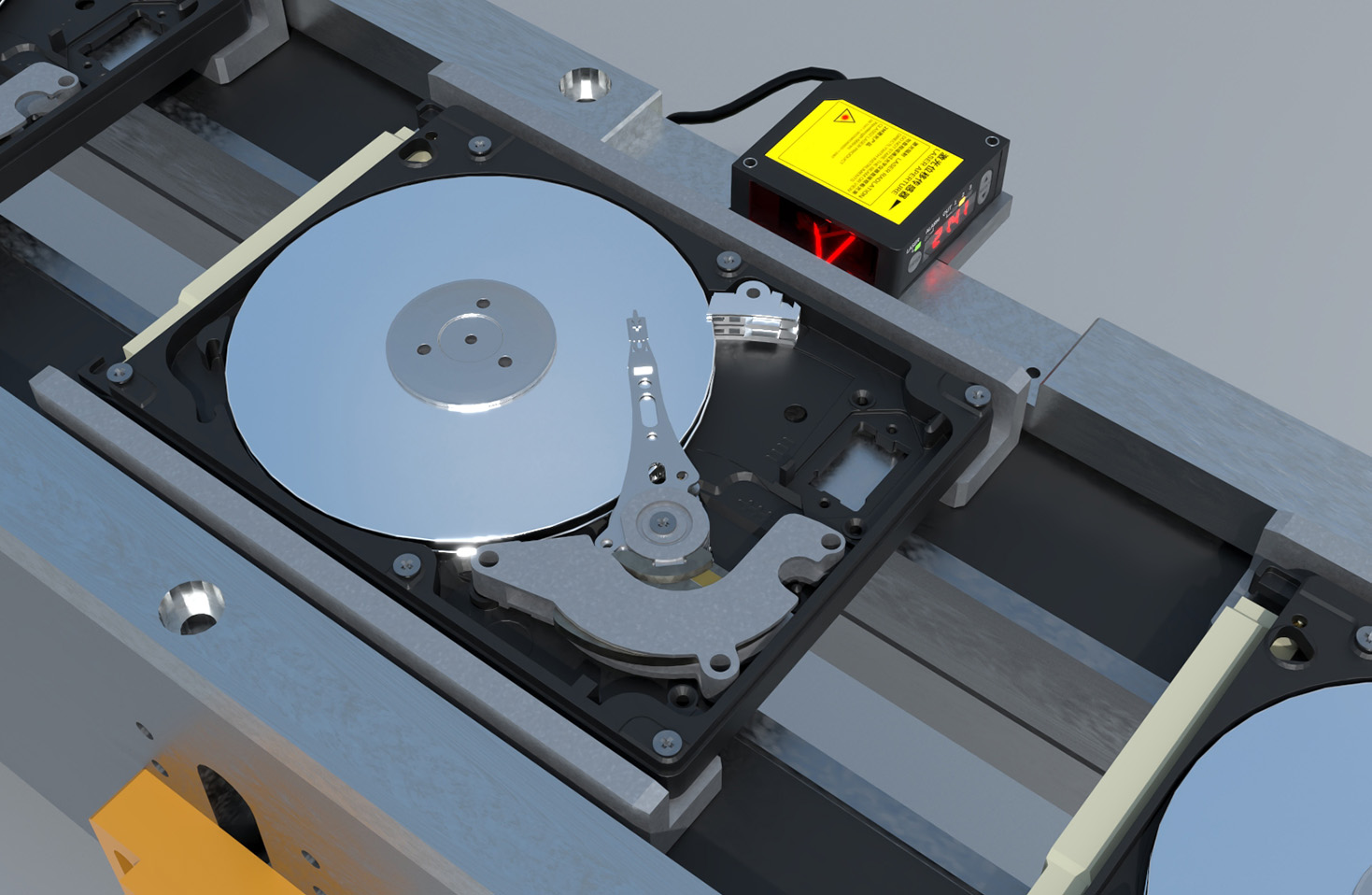
Environmental monitoring and scientific research benefit significantly from advanced laser sensing. LiDAR (Light Detection and Ranging) systems, mounted on drones or satellites, emit laser pulses to map terrain, monitor deforestation, or assess urban sprawl with centimeter-level accuracy. In meteorology, laser-based instruments measure atmospheric pollutants, cloud density, and wind patterns, contributing to climate studies and air quality forecasts. Laboratories employ spectroscopic laser sensors to analyze material properties at molecular levels, aiding discoveries in chemistry and physics.
Transportation and automotive industries integrate laser sensors for enhanced safety and autonomy. Adaptive cruise control systems use them to maintain safe distances between vehicles by continuously scanning the road ahead. In autonomous driving prototypes, laser sensors (often part of LiDAR arrays) generate 3D maps of the environment, identifying pedestrians, cyclists, and road signs under varying weather conditions. Railway networks deploy laser sensors to monitor track integrity and detect obstructions, preventing derailments and ensuring passenger safety.
Healthcare applications showcase the versatility of laser emission sensors. Surgical instruments equipped with lasers allow for minimally invasive procedures, where sensors guide precise incisions or tissue ablation. Diagnostic devices, such as laser scanners in ophthalmology, create detailed images of the retina for early disease detection. Moreover, wearable health monitors incorporate low-power lasers to track vital signs like blood oxygen levels, providing continuous patient data without discomfort.
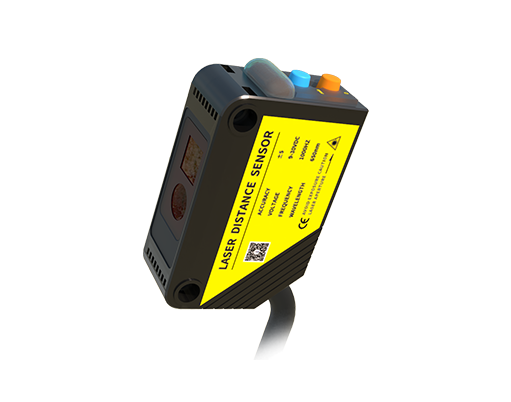
In consumer electronics, laser sensors enhance user experiences. Smartphones use them for autofocus in cameras, enabling sharp photos by quickly measuring subject distance. Gaming consoles and virtual reality headsets employ laser-based motion tracking to capture user movements accurately, creating immersive interactive environments. Home automation systems, including robot vacuums, navigate rooms using laser sensors to avoid furniture and optimize cleaning paths.

Despite their advantages, challenges persist, such as sensitivity to extreme ambient light or high costs for specialized models. Ongoing research focuses on developing more compact, energy-efficient, and affordable laser sensors, with innovations like silicon photonics promising integration into everyday devices. As industries embrace digital transformation, the demand for these sensors is projected to grow, driven by trends in automation, smart cities, and sustainable technologies. Ultimately, laser emission sensors exemplify how focused light can illuminate solutions to complex problems, paving the way for a more connected and efficient future.