In the rapidly evolving industrial automation landscape, proximity sensors have become indispensable components for ensuring precision, safety, and efficiency. As a seasoned electrical engineer with extensive field experience, I have observed a growing demand for bulk customization of these sensors to meet specific operational requirements. Standard off-the-shelf sensors often fall short in addressing unique environmental challenges, spatial constraints, or specialized detection needs. This article delves into comprehensive bulk customization solutions for proximity sensors, highlighting key considerations, technological advancements, and implementation strategies tailored for diverse industrial sectors.
The foundation of any successful bulk customization project lies in a thorough needs assessment. Engineers must collaborate closely with clients to evaluate factors such as sensing range, response time, environmental conditions (including temperature extremes, humidity, and exposure to chemicals), and required output signals. For instance, in automotive manufacturing, sensors may need to withstand oil splashes and vibrations, while in food processing, they must comply with hygiene standards and resist frequent washdowns. Inductive, capacitive, ultrasonic, and photoelectric sensors each offer distinct advantages, and selecting the appropriate technology is the first critical step. Inductive sensors are ideal for metal detection in harsh environments, whereas capacitive sensors can detect non-metallic materials, making them suitable for packaging or liquid level applications.
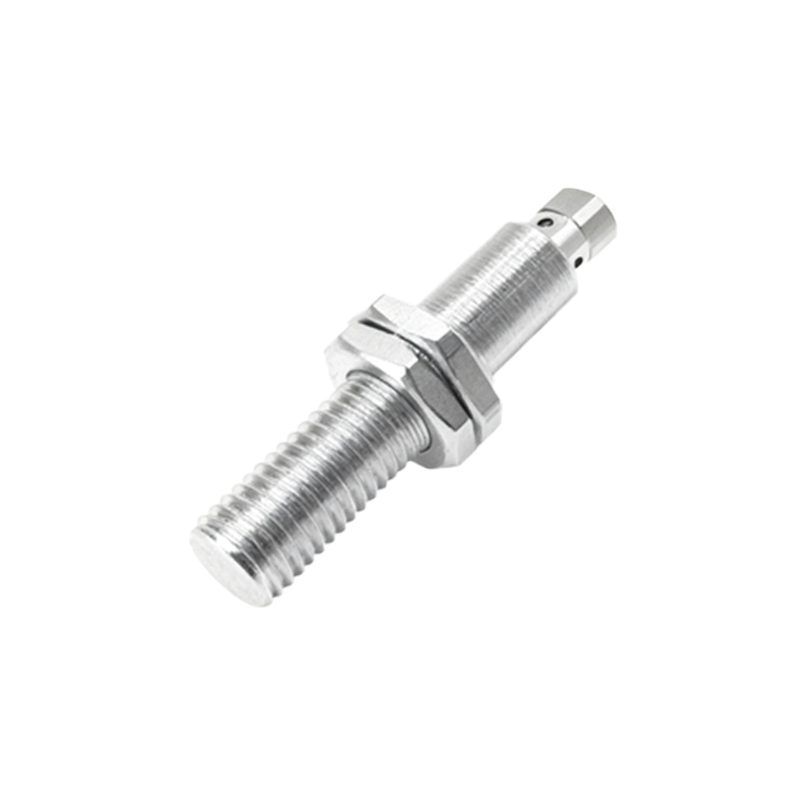
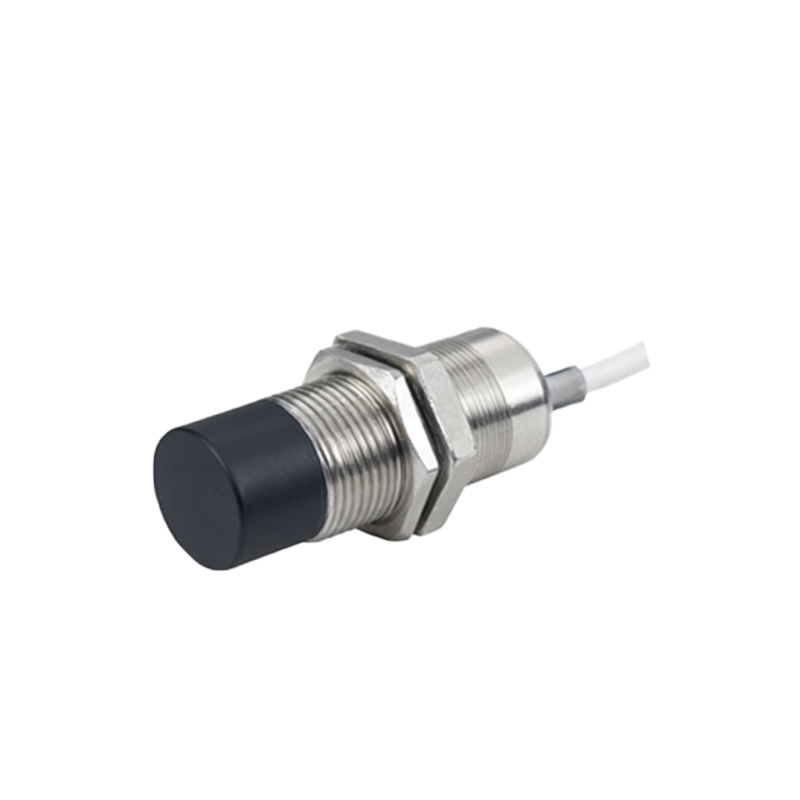
Technological integration plays a pivotal role in customization. Modern proximity sensors can be equipped with IoT capabilities, enabling real-time data monitoring and predictive maintenance. Incorporating features like adjustable sensitivity, embedded diagnostics, and robust housing materials (e.g., stainless steel or PBT plastic) enhances durability and functionality. For bulk orders, manufacturers often utilize modular designs, allowing for cost-effective modifications without compromising production timelines. This approach not only reduces lead times but also ensures scalability. Additionally, adherence to international standards such as IEC 60947-5-2 and IP ratings for ingress protection is non-negotiable to guarantee reliability and safety.
From a logistical perspective, partnering with a reputable manufacturer with proven expertise in sensor customization is crucial. Such partners should offer end-to-end services, from prototyping and testing to volume production and after-sales support. Advanced manufacturing techniques, like automated assembly lines and rigorous quality control checks, ensure consistency across large batches. Case studies from industries like aerospace, where sensors monitor turbine blade positions, or logistics, where they facilitate automated sorting, demonstrate the transformative impact of tailored solutions. These examples underscore how customization can optimize performance, reduce downtime, and lower total cost of ownership.
In conclusion, bulk customization of proximity sensors is not merely a trend but a necessity for modern industrial operations. By leveraging expert engineering insights, cutting-edge technology, and strategic partnerships, businesses can achieve enhanced operational efficiency and competitiveness. As industries continue to embrace automation and smart manufacturing, the demand for specialized sensor solutions will only intensify, making customization an invaluable investment for long-term success.