In modern industrial automation, proximity sensors play a critical role in ensuring precise and reliable detection of glass materials across various applications, from manufacturing lines to packaging systems. Glass detection presents unique challenges due to the material's transparency, fragility, and variable surface properties. Unlike metals or opaque plastics, glass can be difficult to sense using conventional methods, necessitating specialized sensor technologies. Among these, capacitive and ultrasonic proximity sensors have emerged as the most effective solutions for glass detection, each offering distinct advantages based on the specific requirements of the application.
Capacitive proximity sensors operate by generating an electrostatic field and detecting changes in capacitance caused by the presence of an object. For glass detection, these sensors are particularly useful because they can sense non-metallic materials, including transparent or translucent glass. The key to their effectiveness lies in their ability to detect the dielectric constant of glass, which differs from that of air. By adjusting the sensitivity threshold, capacitive sensors can reliably identify glass containers, panels, or sheets even when they are empty or clean. This makes them ideal for applications such as bottle filling lines, where detecting the presence of glass bottles is essential for controlling liquid dispensing processes. However, environmental factors like humidity or contamination on the glass surface can affect performance, requiring careful calibration and installation.
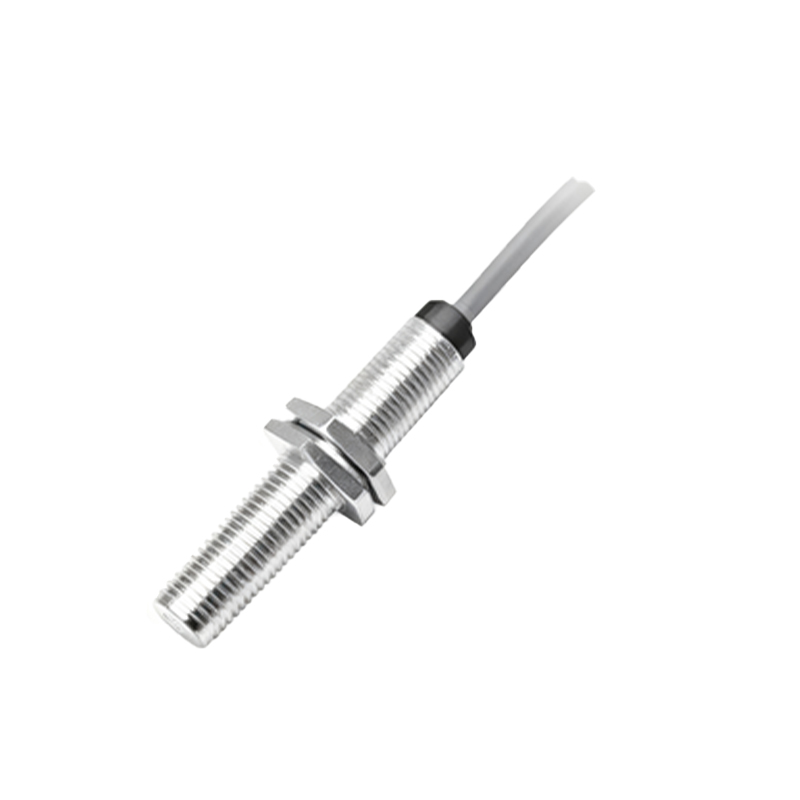
Ultrasonic proximity sensors, on the other hand, use sound waves to detect objects. They emit high-frequency ultrasonic pulses and measure the time it takes for the echoes to return after hitting a surface. This technology is highly effective for glass detection because it does not rely on optical properties or conductivity; instead, it depends on the reflection of sound waves. Ultrasonic sensors can reliably detect transparent glass regardless of color, thickness, or surface finish, making them suitable for applications involving windows, glass doors, or display panels. Additionally, they are less susceptible to environmental interferences like dust or light conditions, which can be advantageous in harsh industrial settings. However, factors such as temperature variations or acoustic noise might influence accuracy, necessitating proper shielding and setup.
The selection between capacitive and ultrasonic sensors depends on several factors, including the type of glass, the required detection range, environmental conditions, and cost considerations. For instance, capacitive sensors are often preferred for short-range detection of thin glass layers in clean environments, while ultrasonic sensors excel in longer-range applications or where the glass may have coatings or labels. In practice, many industries integrate both types into their systems to achieve robust detection capabilities. For example, in automotive manufacturing, proximity sensors ensure that glass windshields are correctly positioned before assembly, reducing errors and enhancing safety. Similarly, in pharmaceutical packaging, sensors verify the presence of glass vials on conveyor belts, preventing jams and ensuring quality control.
To optimize performance, engineers must consider installation guidelines, such as sensor positioning, alignment, and shielding from interference. Regular maintenance, including cleaning and calibration, is also crucial to sustain accuracy over time. Emerging trends, such as the integration of IoT connectivity and smart sensor networks, are further enhancing glass detection systems by enabling real-time monitoring and predictive maintenance. These advancements contribute to higher efficiency, reduced downtime, and improved safety in industrial operations.
In conclusion, proximity sensors are indispensable tools for glass detection in automation, addressing the material's unique challenges through advanced capacitive and ultrasonic technologies. By understanding the principles and applications of these sensors, engineers can design reliable systems that meet the demands of modern industries, from food and beverage to electronics and beyond. As technology evolves, continued innovation in sensor design will likely expand the possibilities for glass detection, driving further improvements in automation and productivity.