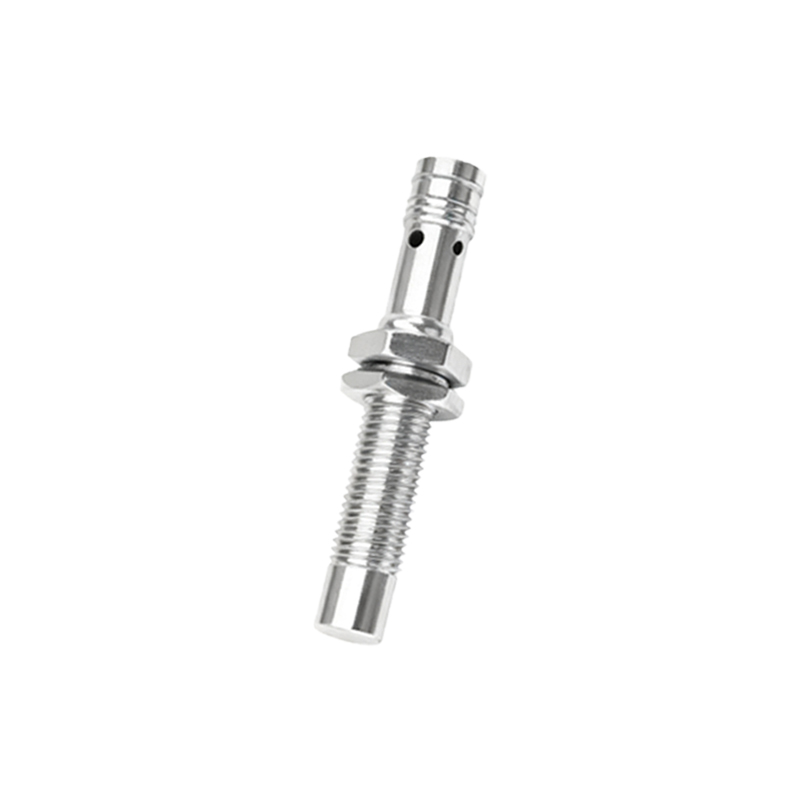
Proximity sensors have become integral components in modern automotive systems, driving advancements in safety, automation, and user experience. These sensors, which detect the presence or absence of objects without physical contact, leverage technologies such as inductive, capacitive, ultrasonic, and electromagnetic principles to deliver precise, reliable data in real-time. In the automotive industry, their applications span from basic functions like parking assistance to complex autonomous driving systems, underscoring their critical role in vehicle innovation.
One of the primary uses of proximity sensors is in Advanced Driver-Assistance Systems (ADAS). Here, sensors mounted around the vehicle—often ultrasonic or electromagnetic types—monitor the surroundings to prevent collisions. For instance, during parking maneuvers, ultrasonic sensors measure distances to obstacles, providing audible or visual alerts to the driver. In more sophisticated setups, these sensors integrate with automatic braking systems, enabling vehicles to respond to sudden obstacles without human intervention. This not only reduces accident risks but also paves the way for higher levels of automation, where sensors feed data to control units for decision-making in self-driving cars.
Beyond safety, proximity sensors enhance convenience and efficiency. In keyless entry systems, capacitive sensors detect a driver’s approach, unlocking doors or activating interior lights seamlessly. Similarly, inductive sensors in powertrain components monitor rotational speeds or positions, optimizing engine performance and fuel efficiency. For electric vehicles (EVs), proximity sensors play a vital role in charging systems, ensuring safe alignment between charging ports and connectors while preventing electrical hazards. Their ability to operate in harsh environments—withstanding temperature extremes, vibrations, and electromagnetic interference—makes them ideal for automotive use, where durability is paramount.
The evolution of proximity sensors aligns with industry trends toward connectivity and electrification. With the rise of the Internet of Things (IoT) in vehicles, sensors now communicate with onboard networks, enabling predictive maintenance and real-time diagnostics. For example, a sensor detecting abnormal gaps in brake components can trigger early warnings, reducing downtime and repair costs. Moreover, as automakers focus on lightweight designs, miniaturized sensors with low power consumption are gaining traction, contributing to overall vehicle efficiency without compromising functionality.
Despite their benefits, challenges remain in sensor implementation. Calibration and integration require meticulous engineering to avoid false readings, especially in complex scenarios like adverse weather or crowded urban settings. Standardization across manufacturers is also crucial to ensure interoperability and cost-effectiveness. However, ongoing research in materials science and signal processing continues to improve sensor accuracy and resilience, promising even broader applications in future mobility solutions.
In summary, proximity sensors are indispensable in today’s automotive landscape, bridging the gap between mechanical systems and digital intelligence. By enabling safer, smarter, and more efficient vehicles, they support the industry’s shift toward autonomous and sustainable transportation. As technology advances, these sensors will likely become more adaptive and interconnected, further transforming how we interact with our vehicles and the road ahead.