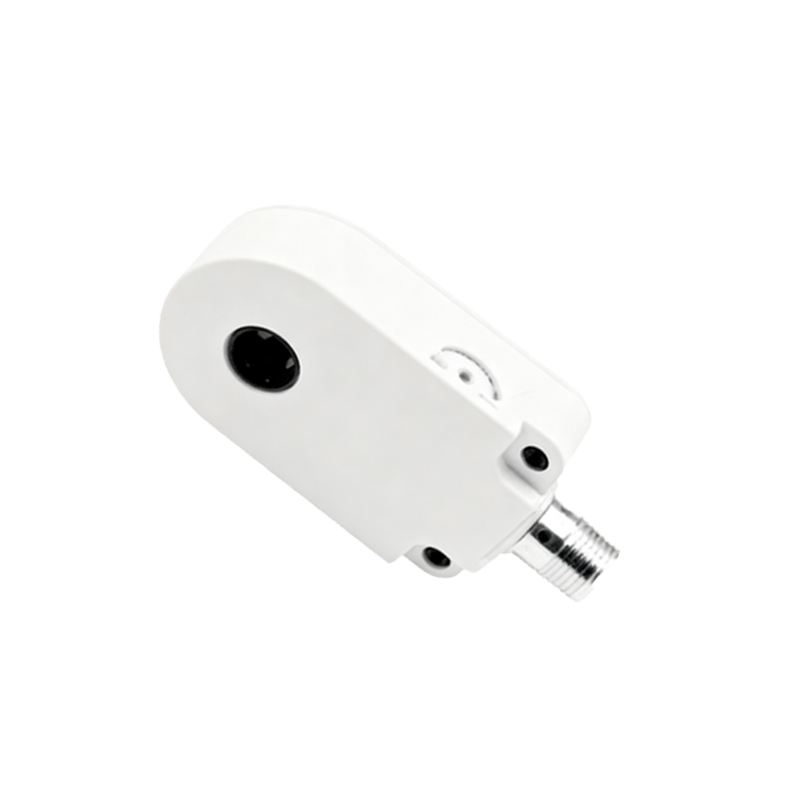
Magnetic proximity sensors are essential components in modern industrial automation, offering reliable non-contact detection of ferromagnetic objects. These sensors operate based on the Hall effect or magnetoresistive principles, generating a signal when a magnetic field is disrupted by a target. Their robustness against dust, moisture, and vibration makes them ideal for harsh environments like manufacturing lines, automotive assembly, and material handling systems.
In industrial settings, magnetic proximity sensors are commonly found in machinery for position sensing, limit switching, and speed monitoring. For instance, they detect the presence of metal parts in conveyor belts, ensure proper valve positioning in hydraulic systems, and monitor rotational speed in motors. Their versatility extends to safety applications, such as verifying door closures in elevators or machinery guards to prevent accidents.
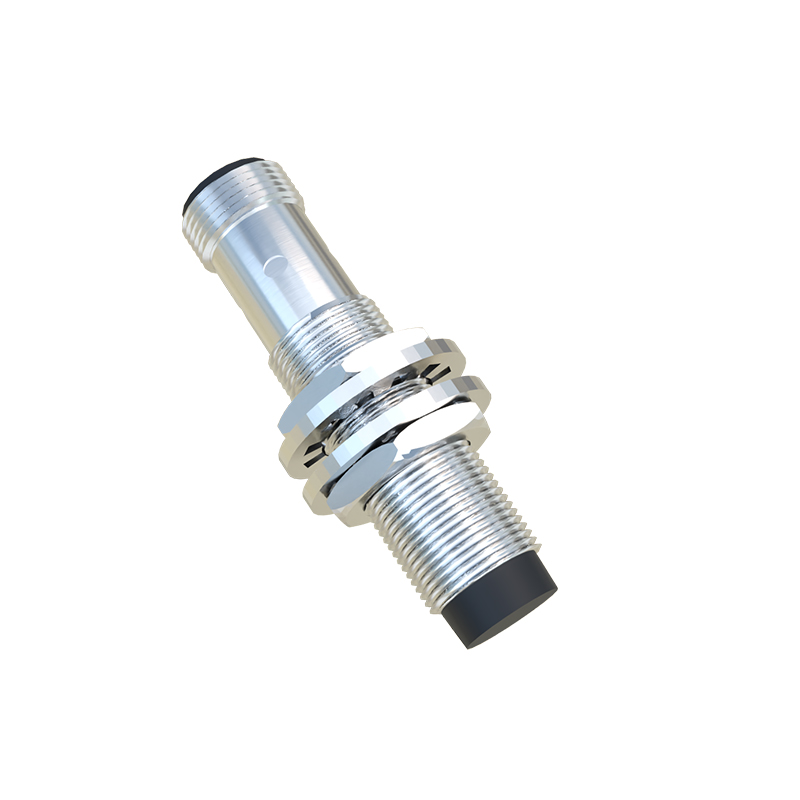
When sourcing magnetic proximity sensors, several channels are available. Direct manufacturers like Siemens, Omron, and Pepperl+Fuchs produce a wide range of models tailored to specific needs, including cylindrical, rectangular, or slot-style designs. These companies often provide detailed datasheets covering specifications like sensing distance, voltage ratings, and output types (e.g., PNP or NPN). Industrial distributors such as Grainger, RS Components, and Digi-Key stock sensors from multiple brands, offering convenience for bulk orders or urgent procurement. Online marketplaces like Amazon Business or Alibaba also list sensors, but verifying authenticity and technical support is crucial.
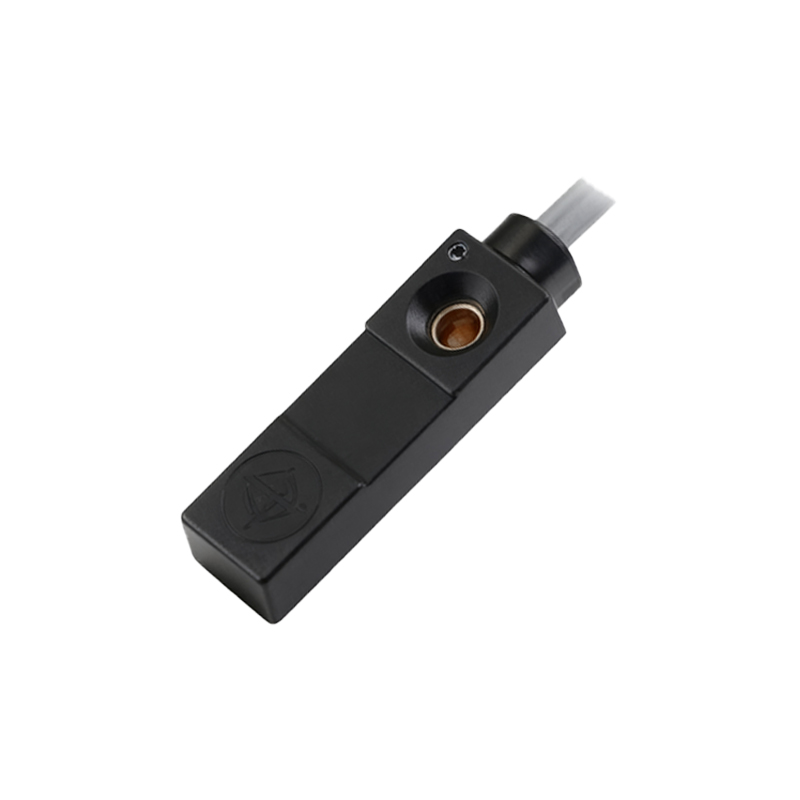
For specialized applications, custom sensor solutions can be sourced from engineering firms or niche suppliers. Factors to consider when selecting a sensor include operating temperature range, IP rating for environmental protection, and compatibility with control systems like PLCs. Installation guidelines typically emphasize proper alignment with magnetic targets and avoidance of interference from external magnetic fields.
Maintenance involves periodic checks for physical damage or signal drift, though magnetic sensors generally require minimal upkeep due to their solid-state design. Emerging trends include IoT-enabled sensors with wireless connectivity for real-time monitoring and energy-efficient models for sustainable operations. Overall, magnetic proximity sensors are widely accessible through manufacturers, distributors, and online platforms, ensuring they meet diverse industrial demands with precision and durability.