Proximity sensors are critical components in modern automation, automotive, and consumer electronics, detecting the presence or absence of objects without physical contact. Ensuring their accuracy through systematic testing and calibration is essential for reliability and safety. This guide outlines practical methodologies for evaluating and adjusting proximity sensors, focusing on industry-standard practices.
The testing process begins with environmental preconditioning. Sensors should be stabilized at operating temperature, typically 25°C, to minimize thermal drift. Electrical parameters, including supply voltage tolerance and current consumption, must be verified against datasheet specifications. A regulated power supply and digital multimeter are used to measure quiescent and active states, noting any deviations beyond ±5% of nominal values.
Functional testing involves assessing detection range and repeatability. Using certified calibration targets—often metal or plastic discs of specified reflectivity—the sensor is mounted on a linear stage. The target approaches the sensor axially at controlled speeds, while a distance-measuring device (e.g., laser micrometer) records the exact point of activation. This "switch point" should fall within the manufacturer’s stated sensing range, such as 2mm to 10mm for inductive models. Repeat the test 50 times to calculate standard deviation; industrial-grade sensors typically require repeatability better than 0.1mm.
Hysteresis evaluation is equally important. After detecting approach, retract the target slowly until the sensor deactivates. The distance between activation and deactivation points defines hysteresis, which prevents output oscillation near the threshold. Compare this value to datasheet limits—common hysteresis ranges are 3% to 15% of sensing range. Excessive hysteresis may indicate mechanical wear or signal processing issues.
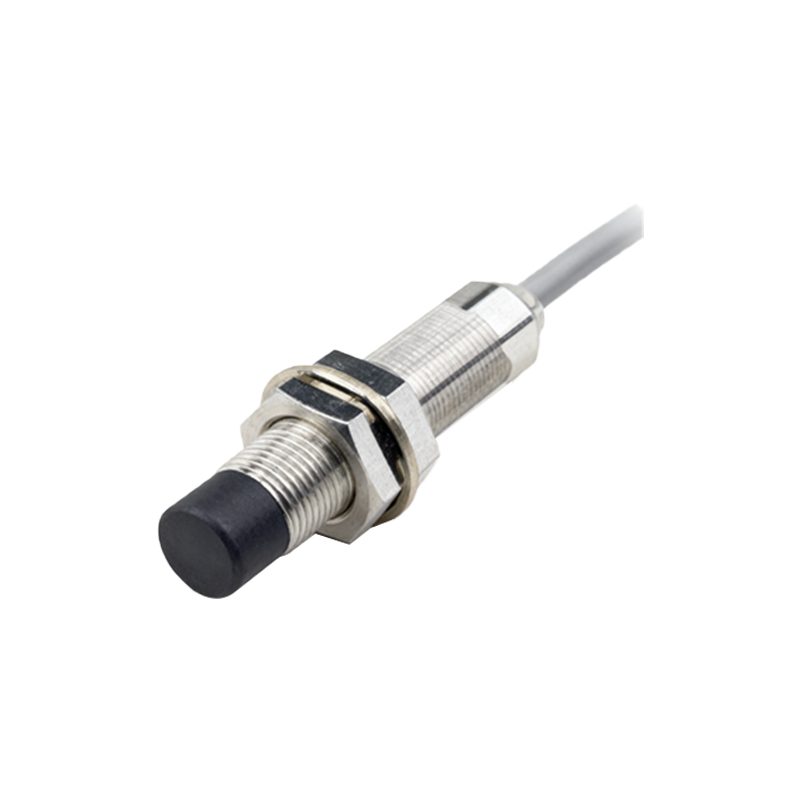
Calibration adjusts the sensor’s response to match reference standards. For analog output sensors, use a signal generator to simulate target distances while monitoring output voltage or current. Adjust zero and span potentiometers (or digital registers via software) until the output curve aligns with ideal linearity. For binary sensors, recalibrate the threshold comparator using a precision voltage reference. Document all adjustments in a calibration certificate, noting pre- and post-calibration values.
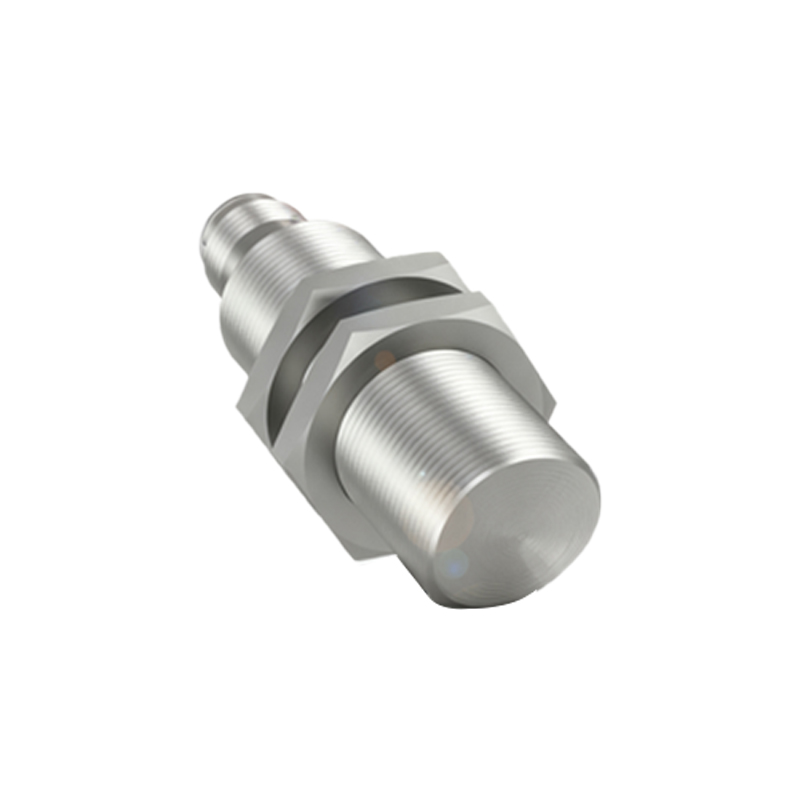
Environmental robustness tests validate performance under stress. Expose the sensor to temperature extremes (-40°C to 85°C for industrial variants) while monitoring detection consistency. Vibration tests, conducted per ISO 16750-3 for automotive applications, ensure mounting stability doesn’t affect alignment. EMI susceptibility checks using RF generators verify immunity to electromagnetic interference.
Field validation completes the process. Install the calibrated sensor in its intended application—for example, on a conveyor system—and log false triggers or missed detections over 72 hours. Use statistical process control charts to track drift; recalibrate if measurements exceed control limits.
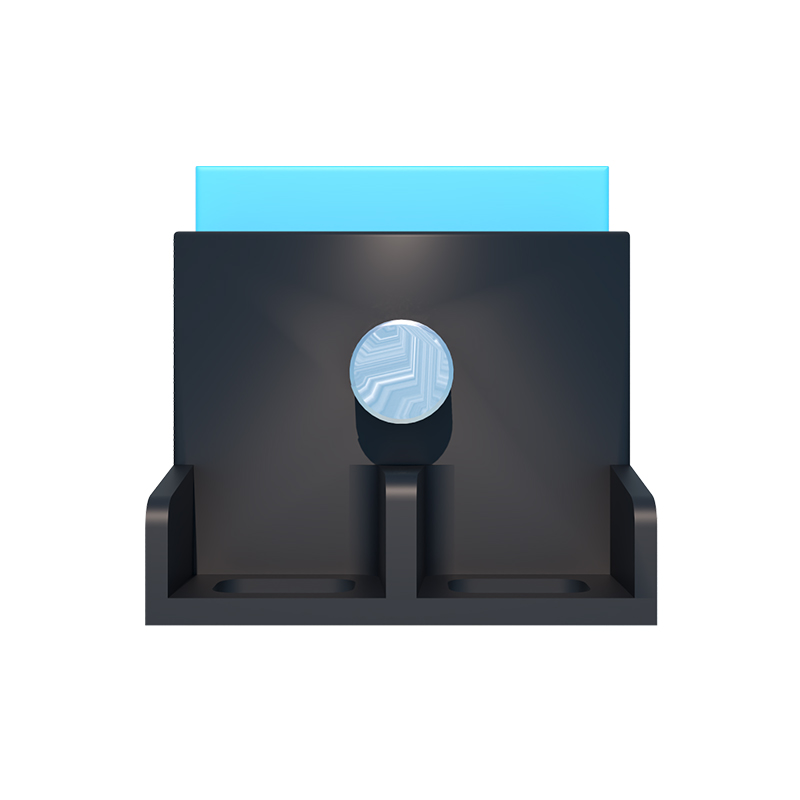
Regular maintenance schedules prevent degradation. Clean lens surfaces on optical sensors monthly with isopropyl alcohol. For inductive sensors, inspect for metal debris accumulation quarterly. Recalibrate annually or after 100,000 operating cycles, whichever comes first.
Advanced techniques include using automated test rigs with PLC integration for high-volume production. Machine vision systems can correlate sensor activation with physical target positions to sub-micron accuracy. For IoT-enabled sensors, leverage digital twins to simulate wear and predict calibration intervals.
Common pitfalls to avoid: neglecting ambient light effects on optical sensors, using non-standard target materials, or skipping temperature compensation. Always reference international standards like IEC 60947-5-2 for performance benchmarks.
Ultimately, rigorous testing and calibration transform proximity sensors from mere components into trustworthy system enablers. By adhering to methodical protocols, engineers ensure longevity, compliance, and precision across diverse operational landscapes.