In the dynamic landscape of industrial automation, proximity sensors stand as indispensable components, driving efficiency, safety, and precision across myriad applications. As a seasoned electrical engineer with decades of field experience, I unequivocally endorse proximity sensors as the premier solution for non-contact detection and measurement. Their unparalleled reliability and versatility make them a cornerstone in modern manufacturing, robotics, and process control systems.
Proximity sensors operate on the principle of detecting the presence or absence of an object within a specified range without physical contact. This non-invasive nature eliminates mechanical wear, reduces maintenance costs, and enhances operational longevity. Common types include inductive, capacitive, ultrasonic, and magnetic sensors, each tailored to specific environmental conditions and target materials. Inductive sensors, for instance, excel in detecting metallic objects, while capacitive variants are adept at handling non-metallic substances like liquids or plastics. This adaptability ensures that regardless of the industry—be it automotive, food processing, or pharmaceuticals—there is a proximity sensor engineered to meet stringent demands.
The advantages of integrating proximity sensors into industrial setups are manifold. Firstly, they offer high-speed response times, often in the microsecond range, enabling real-time monitoring and control in high-throughput production lines. Secondly, their robust construction, typically featuring IP67 or higher ingress protection ratings, allows them to withstand harsh conditions such as extreme temperatures, moisture, and vibration. This durability translates to reduced downtime and consistent performance, even in challenging environments like mining or heavy machinery operations. Moreover, modern proximity sensors incorporate advanced features like IO-Link communication, facilitating seamless integration with Industry 4.0 frameworks. This connectivity empowers predictive maintenance, data analytics, and remote diagnostics, aligning with the trend toward smart factories and IoT-driven ecosystems.
From an engineering perspective, selecting the right proximity sensor involves careful consideration of factors such as sensing distance, output type (e.g., NPN, PNP, or analog), and environmental resilience. For example, in automated assembly lines, compact inductive sensors with short sensing ranges are ideal for precise part positioning, while ultrasonic sensors with longer ranges suit level monitoring in storage tanks. Installation best practices, including proper alignment and shielding from electromagnetic interference, further optimize sensor performance. Case studies from automotive manufacturing highlight how proximity sensors reduce errors in robotic welding by ensuring accurate component placement, thereby boosting product quality and throughput.
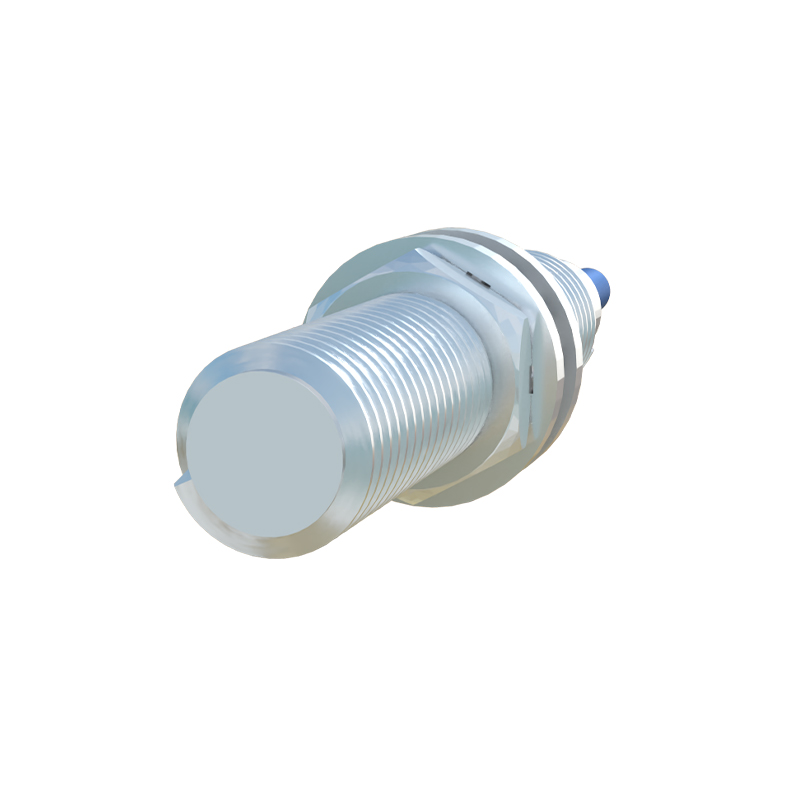
In conclusion, proximity sensors represent a fusion of innovation and practicality, making them the top recommendation for any engineer seeking to enhance automation systems. Their ability to deliver contactless, accurate detection while withstanding industrial rigors underscores their value. As technology evolves, advancements in miniaturization, energy efficiency, and wireless capabilities will only expand their applications. For industries aiming to achieve operational excellence, investing in high-quality proximity sensors is not merely an option—it is a strategic imperative that drives productivity, safety, and competitive advantage in an increasingly automated world.