In the realm of industrial automation and control systems, the evolution of sensing technology has been pivotal. Among the most critical components are proximity sensors, which detect the presence or absence of objects without physical contact. Ultra-large proximity sensors represent a specialized advancement, engineered to meet the demands of heavy-duty applications where standard sensors fall short. These sensors are designed to detect objects at extended ranges, often exceeding several meters, while maintaining high precision and reliability.
The core principle behind ultra-large proximity sensors is based on electromagnetic, capacitive, or inductive technologies. Inductive sensors, for instance, generate an electromagnetic field to detect metallic objects, making them ideal for harsh environments like mining, steel manufacturing, and large-scale material handling. Capacitive sensors, on the other hand, can detect both metallic and non-metallic materials, including liquids and granular substances, by measuring changes in capacitance. This versatility allows them to be deployed in industries such as agriculture, food processing, and chemical plants.
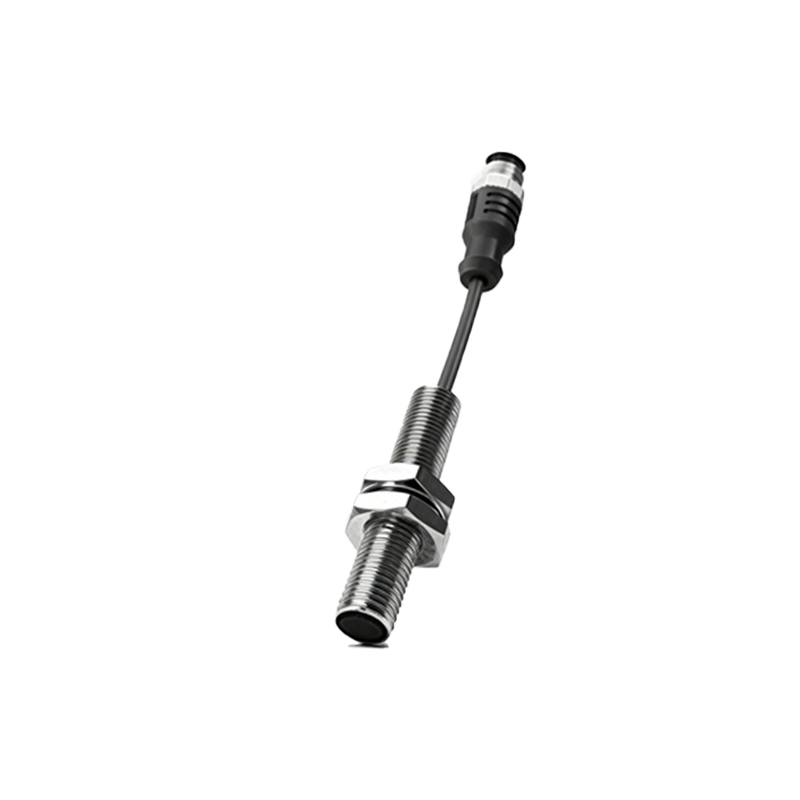
One of the key engineering challenges in developing ultra-large proximity sensors is balancing detection range with environmental interference. Factors like temperature fluctuations, humidity, and electromagnetic noise can impact sensor performance. To address this, advanced models incorporate robust housing materials, such as stainless steel or IP-rated enclosures, and integrated signal processing algorithms that filter out noise. Additionally, many ultra-large sensors feature adjustable sensing distances and output configurations (e.g., PNP/NPN or analog signals), enabling customization for specific industrial setups.
In practical applications, ultra-large proximity sensors play a vital role in enhancing safety and efficiency. For example, in automated warehouses, they monitor the position of cranes and robotic arms, preventing collisions and optimizing logistics. In the automotive industry, these sensors ensure precise alignment during assembly processes, reducing downtime and errors. Moreover, in renewable energy sectors like wind power, they detect blade positions and monitor structural integrity, contributing to predictive maintenance strategies.
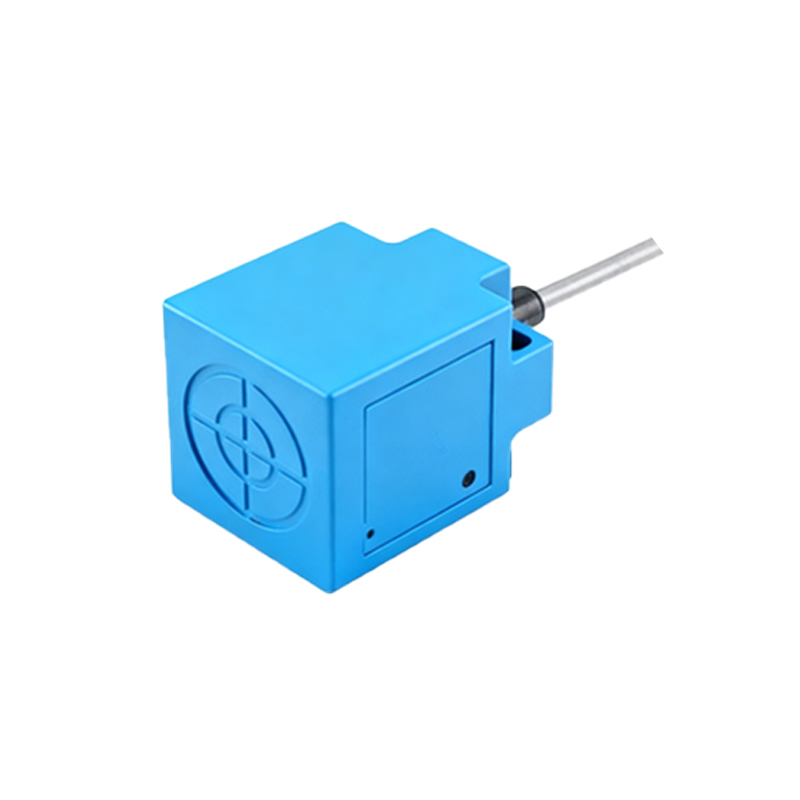
The integration of Industry 4.0 technologies has further propelled the adoption of ultra-large proximity sensors. With IoT connectivity, these sensors can transmit real-time data to centralized control systems, enabling predictive analytics and remote monitoring. This not only minimizes manual intervention but also supports sustainable operations by optimizing energy usage and reducing waste. However, engineers must consider factors like power consumption, compatibility with existing machinery, and compliance with international standards (e.g., IEC 60947) during implementation.
Looking ahead, innovations in materials science and wireless communication are set to expand the capabilities of ultra-large proximity sensors. Research into graphene-based sensors and low-power wide-area networks (LPWAN) could lead to even longer detection ranges and enhanced durability. As industries continue to automate and digitize, the demand for reliable, high-performance sensing solutions will only grow, solidifying the role of ultra-large proximity sensors as indispensable tools in modern engineering.
In summary, ultra-large proximity sensors are engineered to tackle complex industrial challenges, offering extended range, adaptability, and resilience. By leveraging advanced technologies and thoughtful design, they empower industries to achieve higher levels of automation, safety, and productivity. For engineers and system integrators, understanding their specifications and applications is crucial for driving innovation in an increasingly connected world.