In the realm of modern automation and energy conservation, Human Body Infrared (PIR) Sensor Switches have emerged as a pivotal technology. These devices, often unnoticed in their discreet placements on walls or ceilings, silently govern the illumination of spaces, contributing significantly to convenience, security, and efficiency. Their operation, rooted in a fundamental principle of physics, is both elegant and practical.
At its core, a PIR sensor switch detects changes in infrared radiation within its field of view. All objects with a temperature above absolute zero emit infrared radiation; the human body, with its typical temperature, is a particularly good emitter. The sensor itself is composed of a pyroelectric material, which generates a temporary electrical voltage when exposed to changes in thermal energy. Crucially, the sensor is designed to be insensitive to a steady-state environment. It does not simply "see" heat; it detects motion by sensing rapid variations in the infrared radiation pattern.
A typical PIR module incorporates a Fresnel lens, a multi-faceted plastic lens that serves two critical functions. First, it focuses the diffuse infrared radiation from a wide area onto the small sensor element, increasing sensitivity and range. Second, it divides the detection zone into multiple, invisible sectors. When a warm body, like a person, moves across these sectors, it creates a sequential "pulsing" signal on the sensor—a positive change as the body enters one sector, followed by a negative change as it leaves, and so on. This alternating signal pattern is the key to distinguishing human movement from other environmental changes, such as sunlight warming a floor or airflow from a vent.
The electrical signal generated by this motion is extremely weak and requires substantial processing. An onboard integrated circuit amplifies the signal, filters out noise (like slow temperature drifts or high-frequency electrical interference), and compares it to a predefined threshold. Only when the signal pattern and strength convincingly match the signature of human movement does the circuit trigger its output. This output then commands the connected load, most commonly a lighting circuit, to turn on. A timing mechanism, adjustable in many models, keeps the lights on for a set duration after the last detected motion, after which it switches off automatically.

The applications of these smart switches are vast and transformative. In residential settings, they are indispensable for areas like hallways, staircases, closets, and bathrooms. No longer does one need to fumble for a switch in the dark; lights activate upon entry and turn off after departure, enhancing safety and eliminating wasted energy from forgotten lights. In commercial and public spaces, their impact is even more profound. Office corridors, warehouse aisles, parking garages, and restrooms benefit from hands-free, automated lighting that operates only when needed, leading to substantial reductions in electricity consumption and operational costs.
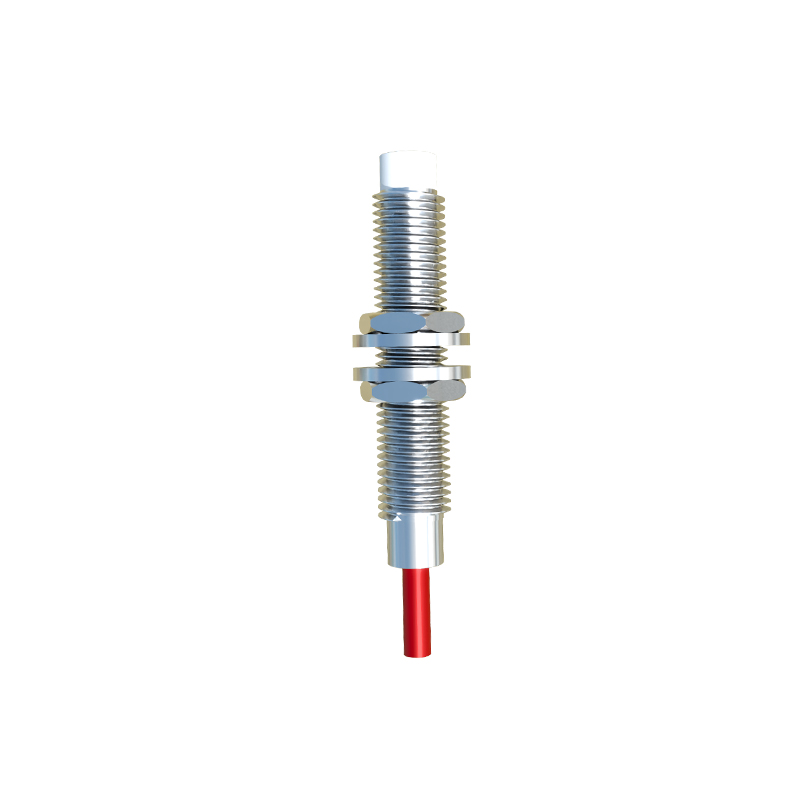
Beyond basic lighting control, PIR sensors are integral to security systems, triggering alarms or activating cameras upon unauthorized intrusion. They are also increasingly found in smart home ecosystems, where they can work in concert with other devices—for instance, turning on lights and adjusting a thermostat when occupancy is sensed, or signaling a security mode when a home is supposed to be empty.
When selecting a PIR sensor switch, several factors merit consideration. The detection range and coverage angle must suit the intended space. Coverage patterns can be wide (for open areas) or long-range (for corridors). The delay time adjustability allows customization from a few seconds to several minutes. Some advanced models feature dual-technology, combining PIR with microwave or ultrasonic sensors to reduce false triggers—ideal for environments with potential sources of heat movement that aren't human, like pets. Installation is generally straightforward, replacing a standard wall switch, but attention must be paid to placement. Avoiding direct exposure to air conditioners, heaters, or sunlight is crucial to prevent false activation.

In conclusion, the Human Body Infrared Sensor Switch is a masterpiece of applied physics and practical engineering. By intelligently interpreting the invisible infrared energy we constantly emit, it provides a seamless interface between human presence and electrical automation. Its widespread adoption underscores a collective move towards smarter, more responsive, and more sustainable environments. As technology advances, we can expect these devices to become even more sophisticated, further embedding themselves as silent, efficient guardians of our modern spaces.