In industrial automation, robotics, and smart devices, ToF (Time of Flight) sensors have become one of the most reliable distance-measurement technologies available. They provide fast, stable, and highly precise detection even in complex environments.
One of the most frequently asked questions from engineers and buyers is:
"What is the measurement range of a ToF sensor?"
1. Typical Measurement Range of ToF Sensors
The range varies depending on optical design, light source power, chip capability, and application scenarios.
Here are the common categories:
| Sensor Type | Typical Range |
|---|---|
| Short-range ToF | 0–30 cm |
| Mid-range ToF | 0–2 m |
| Long-range ToF | 2–5 m |
| High-power Industrial ToF | Up to 10–12 m |
Consumer electronics (phones, gesture modules) usually work within 0.2–2 m,
while industrial solutions (AGV, logistics detection) extend to 5–12 m.
2. Why Do Different ToF Sensors Have Different Ranges?
A ToF sensor’s distance capability depends on several factors:
Emitter (light source) power – higher power yields longer range
Receiver sensitivity – determines ability to detect weak reflections
Optical lens design & FOV – wide FOV for short-range coverage, narrow FOV for long-range precision
Ambient light resistance – crucial for outdoor and industrial environments
In simple terms:
Longer range requires stronger illumination, optimized optics, and better anti-interference performance.
3. Typical Application Scenarios
Each range corresponds to specific use cases:
0–30 cm: smartphones, hand-gesture modules, micro-distance obstacle avoidance
0–2 m: home robots, smart appliances, desktop interaction
2–5 m: industrial automation sensors, logistics conveyors
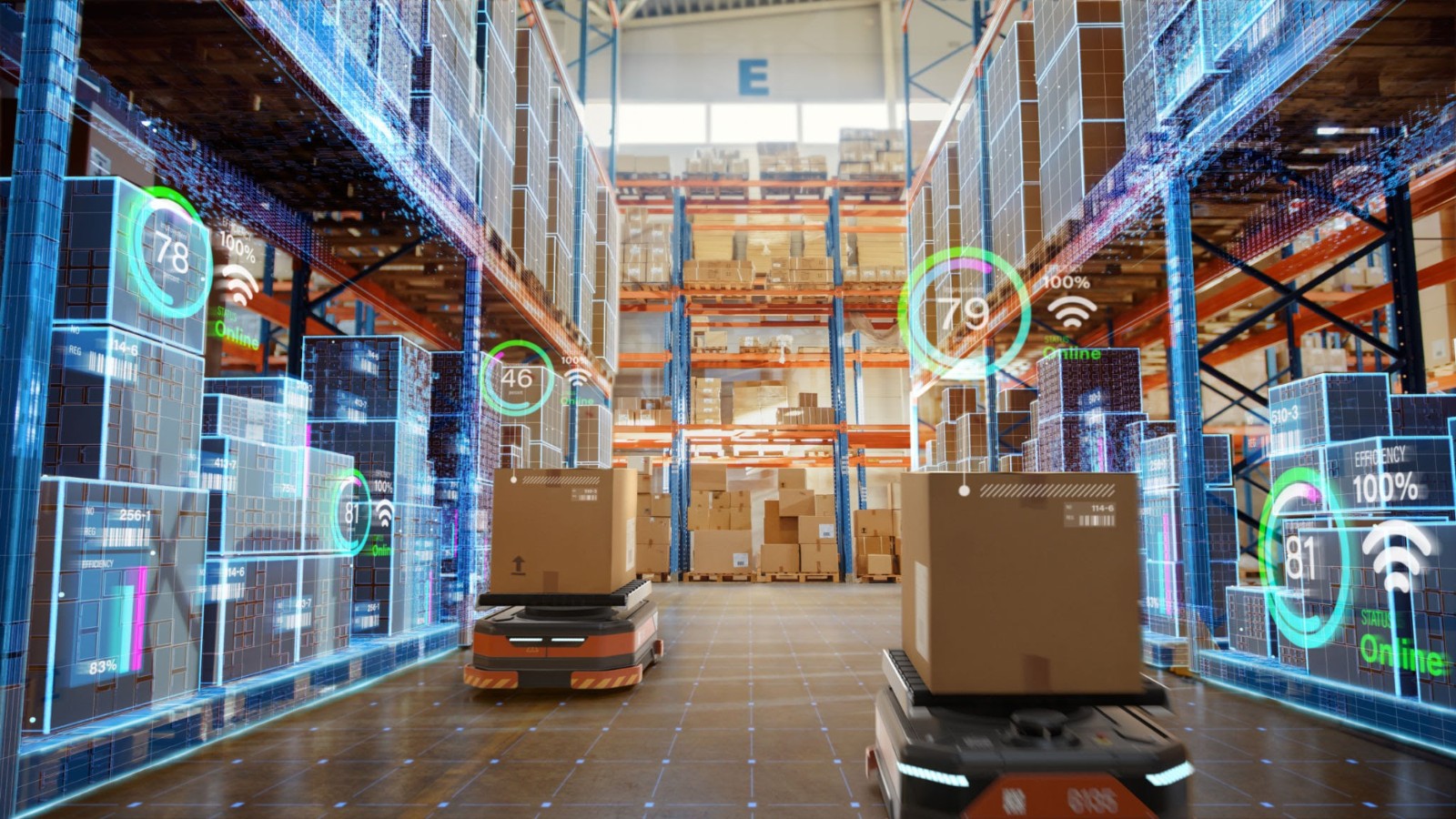
5–12 m: AGV navigation, autonomous forklifts, warehouse stacker distance measurement
If you share your exact application and environment, I can help recommend the best-fit ToF sensor specification.